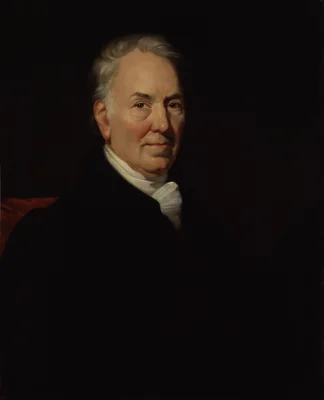
Thomas Bewick
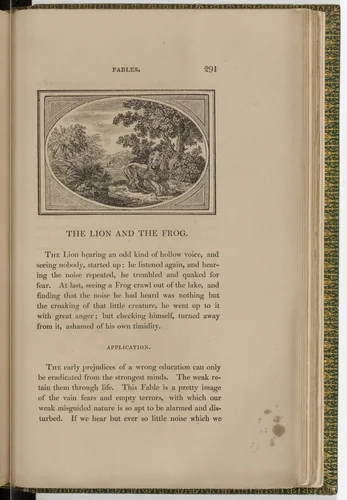
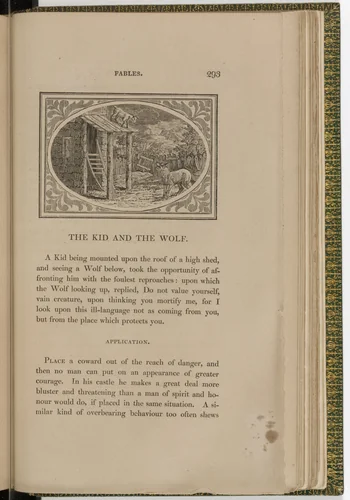
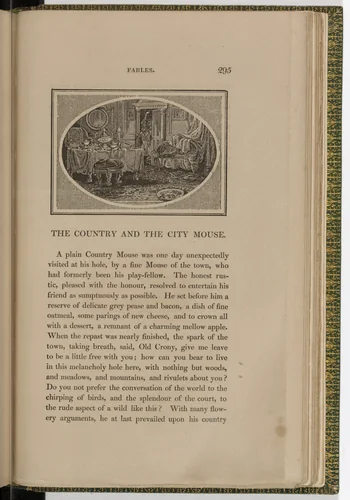
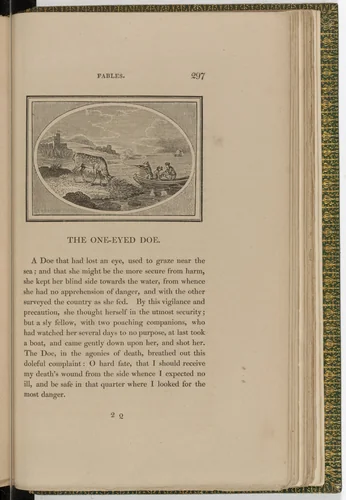
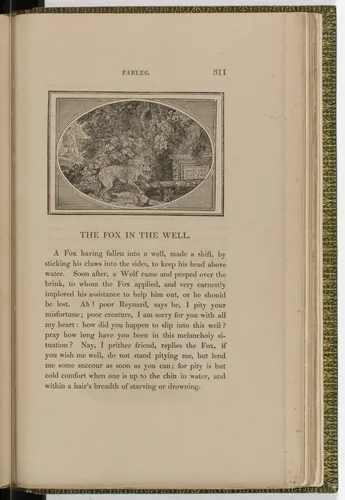
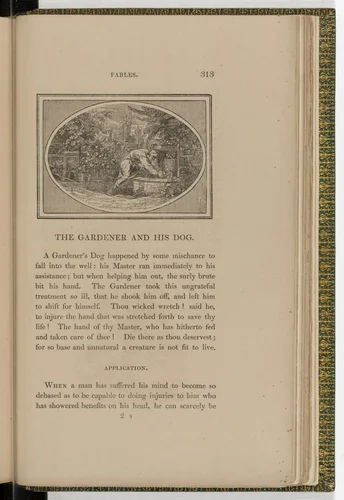
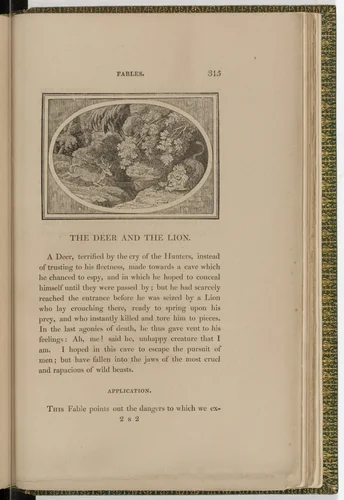
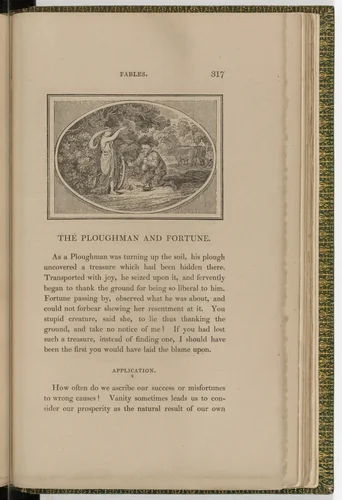
Thomas Bewick was a pivotal English wood-engraver and natural history author, instrumental in elevating relief engraving from a commercial reproductive technique into a sophisticated, modern art form. Working almost exclusively on dense boxwood blocks, Bewick pioneered the use of the burin on the end-grain, developing the ‘white-line’ method. This technical shift allowed for unprecedented tonal subtlety and minute detail in his compositions, distinguishing his works from the coarser side-grain cuts popular at the time and guaranteeing the print blocks greater durability for high-volume publishing.
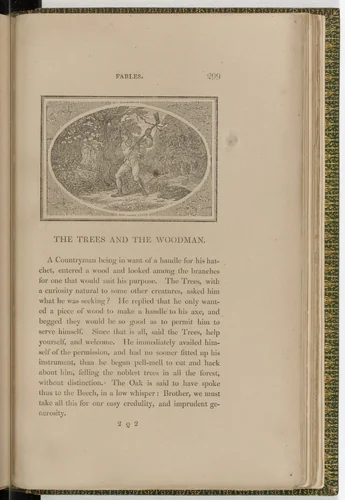
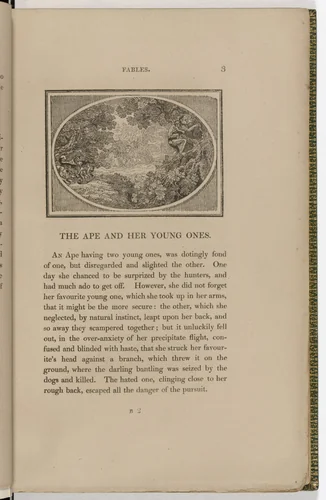
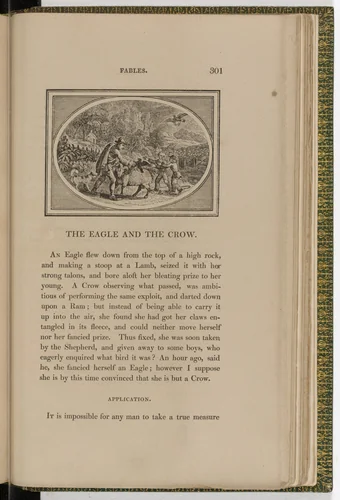
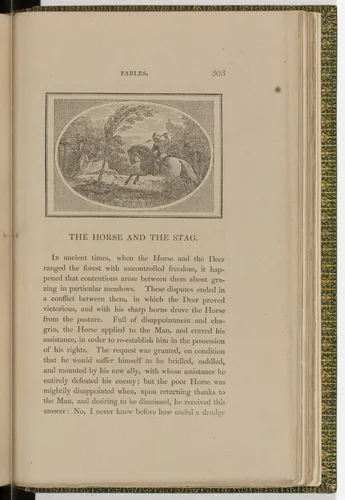
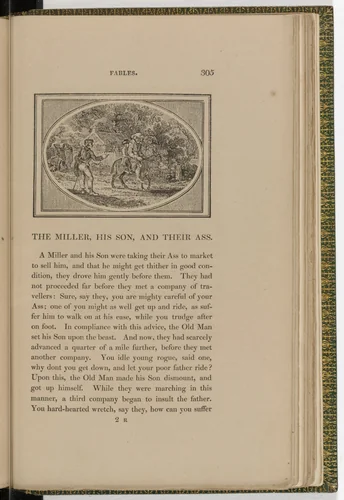
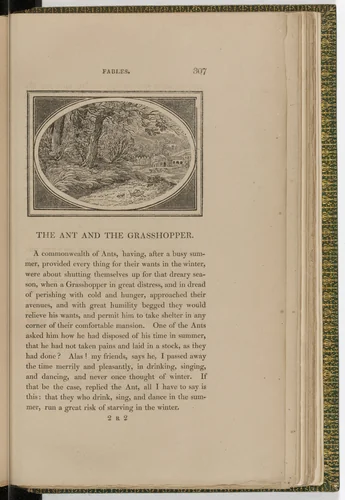
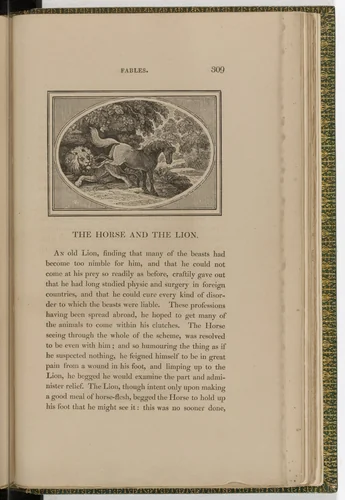
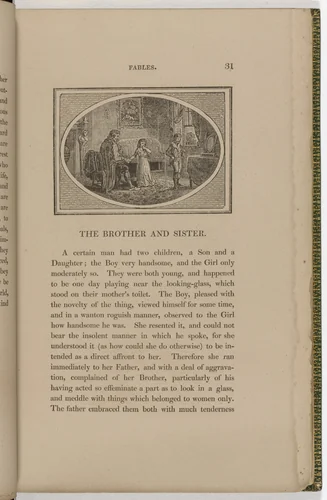
His early career was defined by a relentless commercial utility. Bewick accepted commissions ranging from the highly functional, such as engraving cutlery and crafting wood blocks for local advertisements, to illustrating popular children’s books. This foundational experience in diverse trades honed a precision rarely matched by his contemporaries. It is worth noting that while many artists struggle to translate commercial demands into artistic merit, Bewick managed to find expressive possibility even in the most mundane of requests, perfecting everything from simple vignettes to the intricate detail required for an Ex libris van Chas. Charleton.
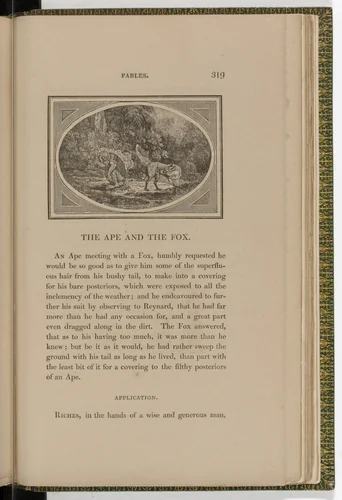
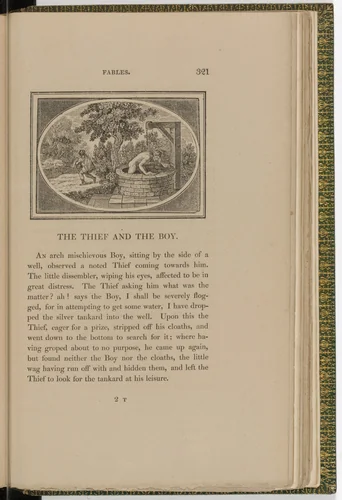
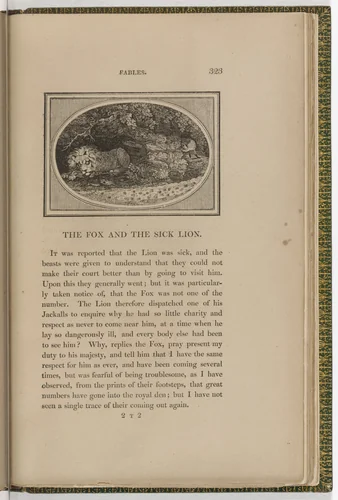
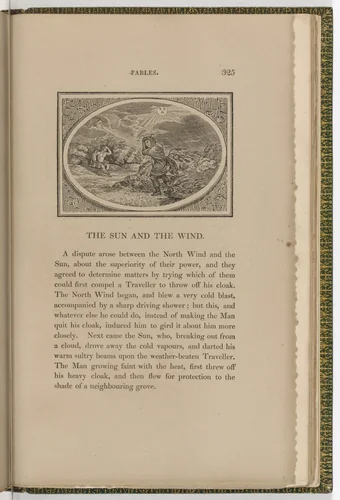
Bewick gradually transitioned from commissioned hackwork to the substantial, intellectual pursuit of authoring and publishing his own volumes, recognizing the power of the printed image to inform and entertain an adult readership. His breakthrough came with the seminal A History of Quadrupeds (1790), where the high-quality prints and finely observed animal subjects cemented his reputation among naturalists and art collectors alike. He famously utilized detailed tail-pieces, small, often witty or moralistic vignettes tucked between chapters, offering unexpected moments of satire or social observation alongside the serious scientific inquiry.
This commitment to meticulous observation, paired with technical innovation, ensured that Bewick’s legacy extended far beyond his lifetime. His mastery defined the standard for book illustration during the late eighteenth and early nineteenth centuries. Today, due to the era of their production, many Thomas Bewick prints and illustrations are now in the public domain, ensuring this museum-quality material remains widely available for study in collections like the National Gallery of Art, often as downloadable artwork used by scholars worldwide.
Source: Wikipedia · CC BY-SA 4.0