Théodule Ribot
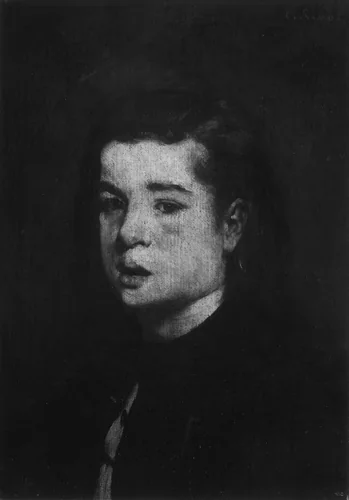
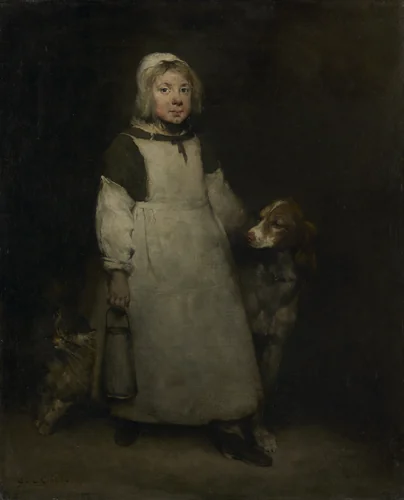
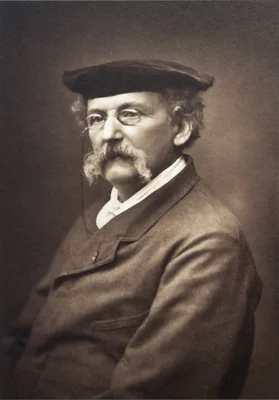
Théodule-Augustin Ribot (1823-1893) stands as a foundational yet often understated master of 19th-century French Realism. Active professionally from the 1840s until his final years, Ribot dedicated his output to genre scenes, still lifes, and preparatory studies that captured the dignity and stark reality of everyday life. Unlike contemporaries who pursued academic polish, Ribot favored a raw, deeply chiaroscuro-driven style, which positioned him as a crucial link between the dramatic intensity of the Spanish Baroque and the gritty immediacy of modern painting.
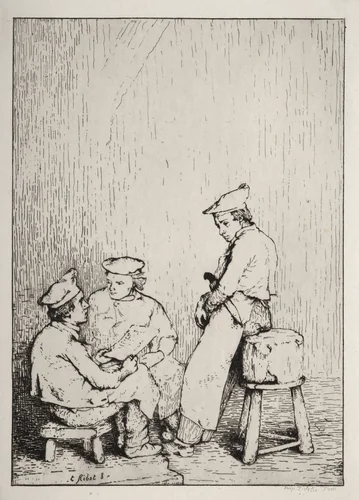
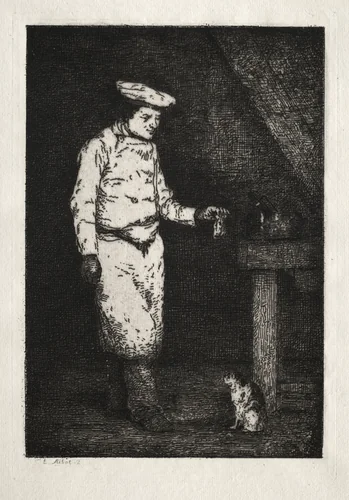
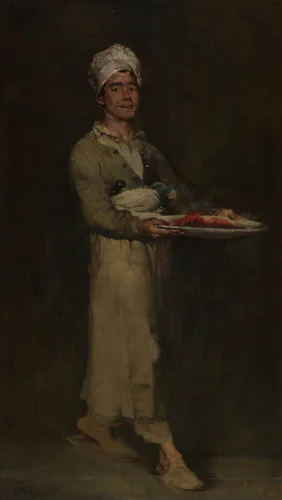
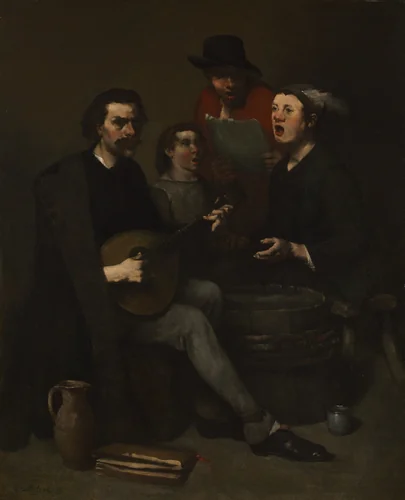
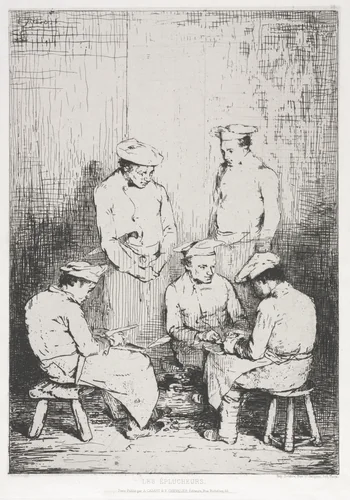
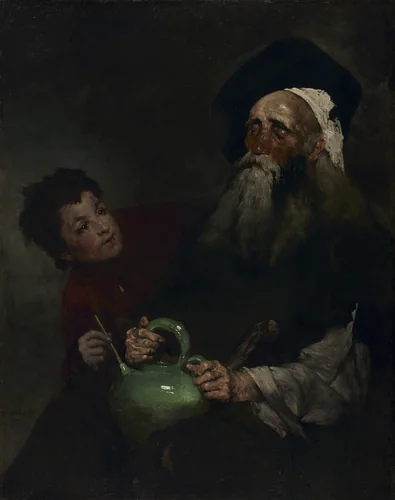
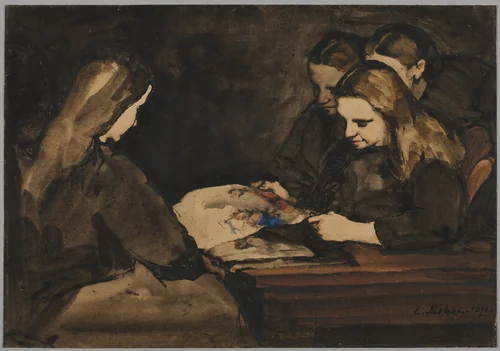
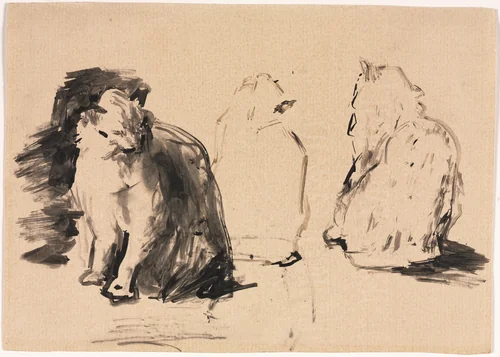
Ribot’s technique is instantly recognizable for its dramatic lighting effects. He employed a heavily weighted palette of browns, blacks, and creams, utilizing shadow not merely for definition but as a profound narrative element, drawing heavily upon the precedents set by artists like Jusepe de Ribera. This mastery of light and shadow transforms intimate moments—a kitchen worker preparing food, or figures engaged in simple domestic tasks—into compositions of remarkable psychological depth. His brushwork is often rough and vigorous, prioritizing texture and sensation over refined detail, lending an unvarnished authenticity to subjects like Le déjeuner du chat (The Cat's Lunch), a composition that hints at the artist’s subtle preference for companion animals over high society.
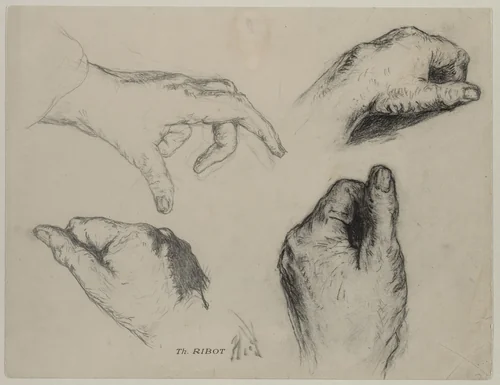
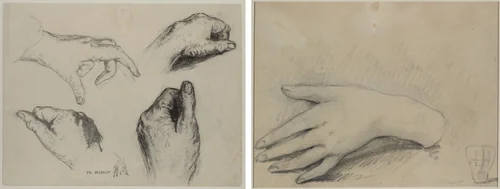
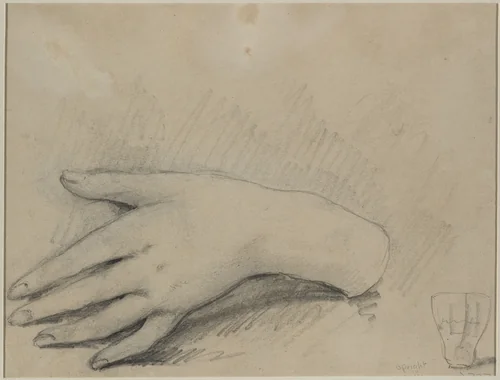
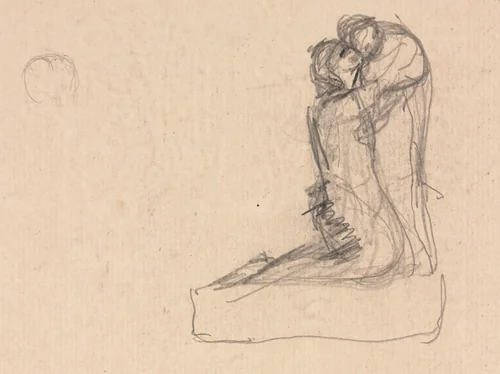
The depth of Ribot’s commitment to his subjects is evident across the spectrum of his surviving work, which includes robust counts of paintings, drawings, and Théodule Ribot prints. His dedication to structural accuracy is demonstrated in detailed preparatory pieces, such as the various iterations of Study of Hands (recto and verso), which reveal a meticulous examination of human anatomy under demanding light conditions. Works like La Carte solidify his status as a practitioner of quiet, intense narrative.
Though his approach occasionally faced resistance from the conservative Salon, Ribot’s museum-quality works ultimately secured their place in major international collections, including the Art Institute of Chicago and the Cleveland Museum of Art. His enduring legacy is now widely accessible; many of his significant contributions to Realism, including high-quality prints and downloadable artwork, have entered the public domain, ensuring that his powerful, shadowed vision continues to inform and inspire future generations.
Source: Wikipedia · CC BY-SA 4.0