Theodorus van Kessel
Theodorus van Kessel (active 1630-1654) was a technically proficient and highly mobile engraver whose career trajectory tracked the demands of the European art market across the Dutch Republic, Rome, and, most crucially, Antwerp. His historical significance is cemented by his pivotal involvement in one of the seventeenth century’s most ambitious publishing undertakings: the preparation of the Theatrum Pictorium under the direction of David Teniers the Younger.
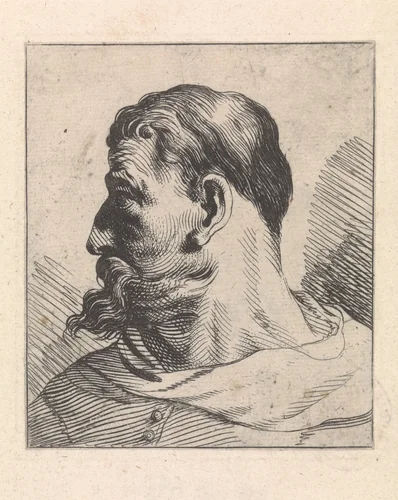
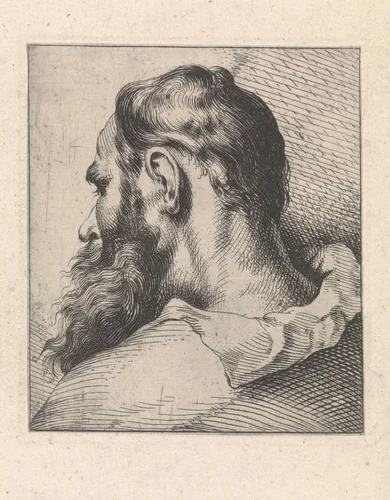
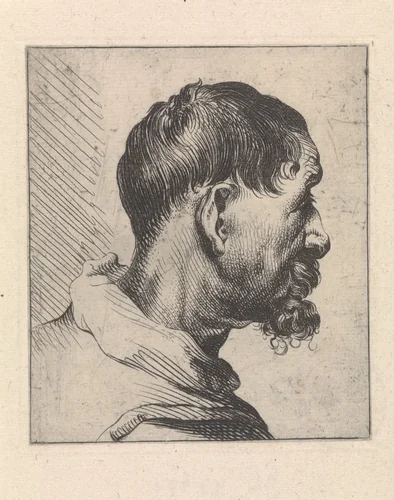
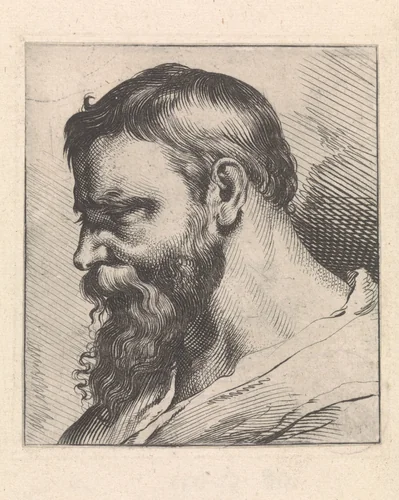
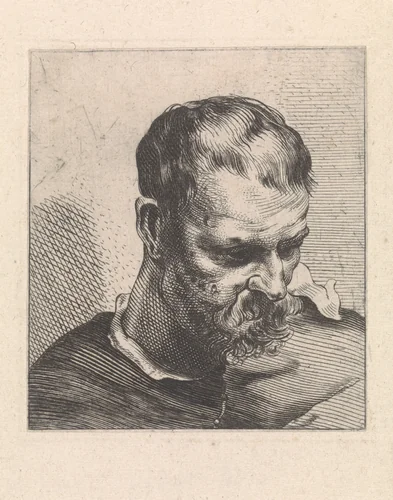
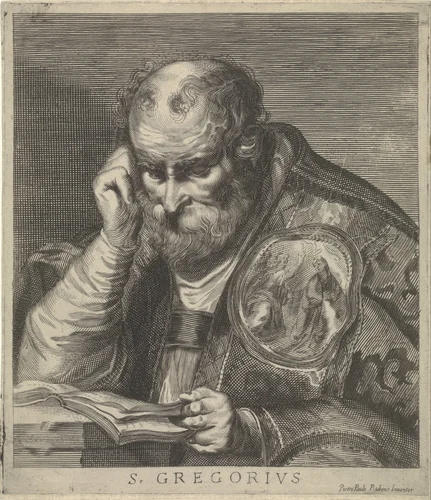
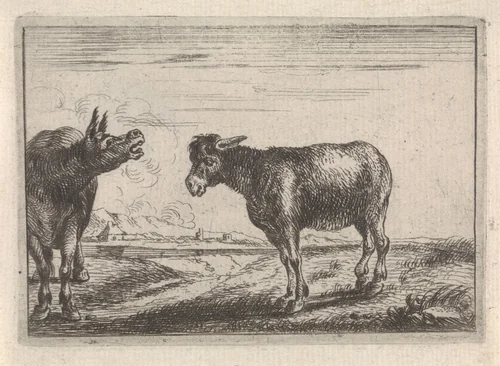
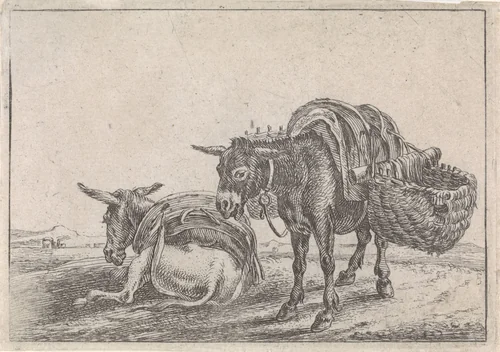
Van Kessel’s ability to operate successfully in three distinct cultural centers underscores the essential role printmakers played in disseminating visual culture during this period. The shifting geography of his career suggests he was highly sought after for his expertise in translating the complexity of oil painting into the linear precision required for copperplate engraving. Though a relatively small collection of autonomous Theodorus van Kessel prints survives, the 10 identified works held in the Rijksmuseum, including detailed studies such as Apostel met het hoofd naar links and Buste van een apostel van voren gezien, confirm his mastery of the burin. These figure studies demonstrate an acute sensitivity to form, successfully rendering mass and shadow in black and white.
His primary achievement occurred when he joined the large collaborative team tasked with documenting the immense collection of Archduke Leopold Wilhelm of Austria in Brussels. Published starting in 1660, the Theatrum Pictorium (The Gallery of Painting) was revolutionary, serving as the first systematic, illustrated catalogue of a major European collection. Van Kessel was among the core group of engravers responsible for translating hundreds of masterpieces—primarily Italian and Northern European paintings—into reproducible form. This demanding process required absolute fidelity to the original compositions while adapting textural and chromatic nuances for reproduction.
Like many productive seventeenth-century printmakers, Van Kessel’s individual artistic identity is sometimes necessarily subsumed by the fame of the painters he reproduced or the prestige of the major collection he documented. Yet, his work guaranteed that these canonical images became widely known, influencing taste and training future generations of artists across Europe. Today, his output ensures that foundational records of these key works are available; many of his important plates have entered the public domain, allowing enthusiasts to access museum-quality reproductions and downloadable artwork derived from his foundational engravings.
Source: Wikipedia · CC BY-SA 4.0