Théodore Gericault
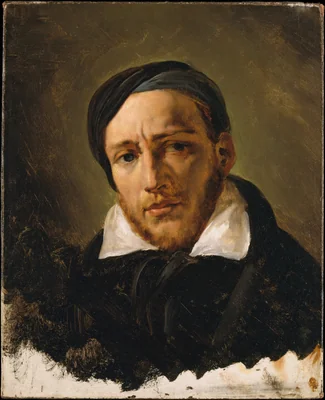
Jean-Louis André Théodore Géricault (1791-1824) was a definitive force in early 19th-century French visual culture, recognized today as a principal pioneer of the Romantic movement. Despite a career tragically cut short at the age of 32, his intense exploration of contemporary events and human suffering irrevocably shifted the focus of painting away from neoclassical idealism toward raw, psychological immediacy. His defining masterpiece, The Raft of the Medusa, remains one of the most powerful and harrowing narrative paintings in the history of the medium, cementing his legacy as a master of dramatic composition.
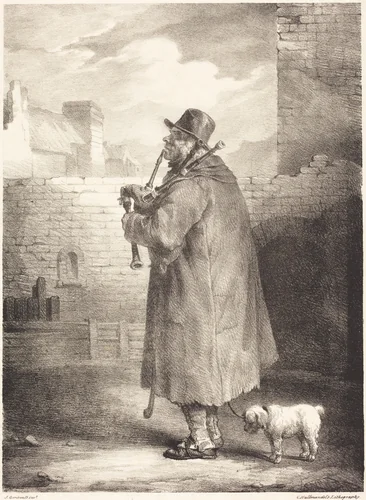
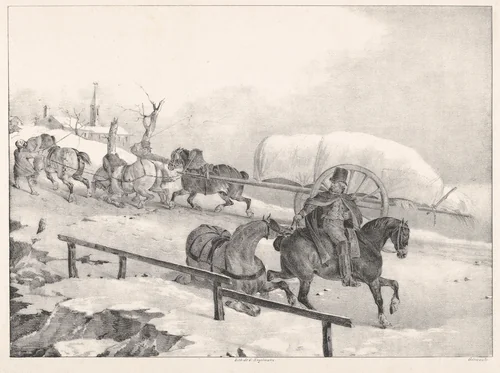
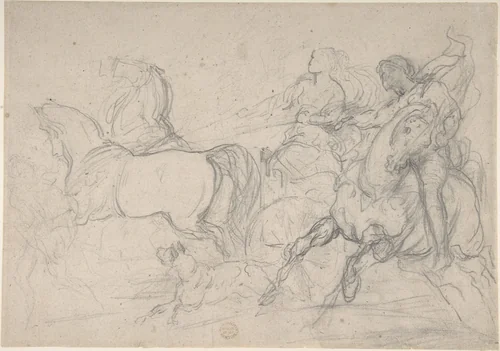
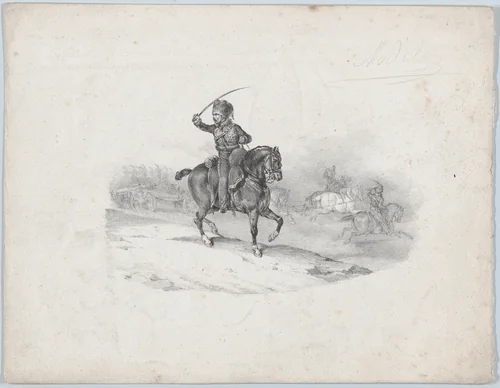
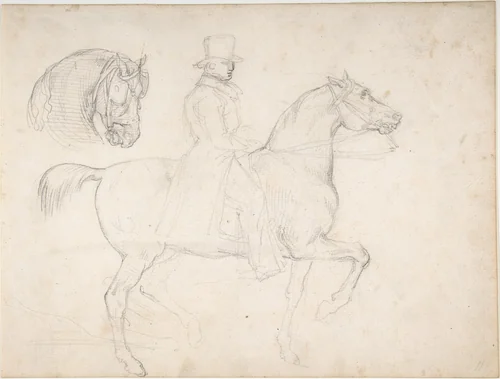
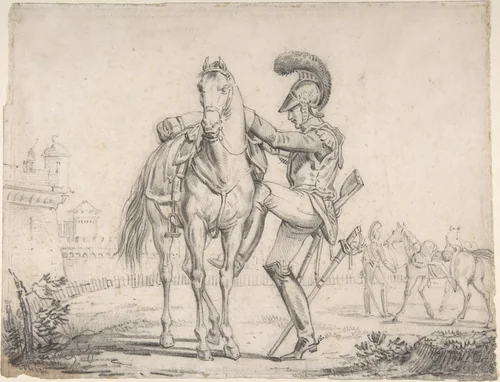
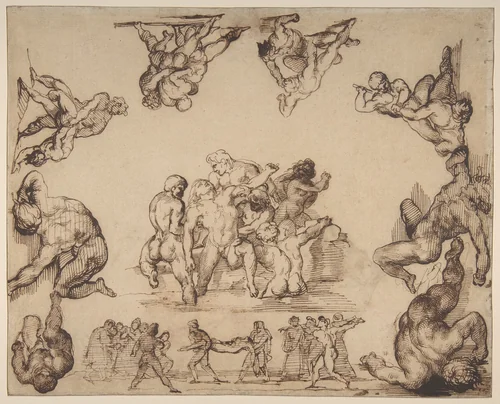
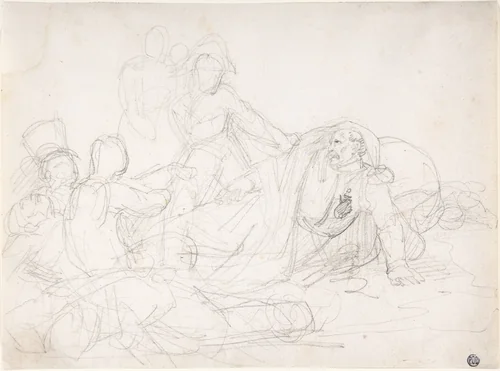
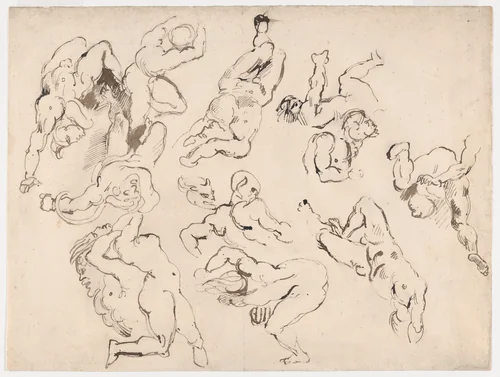
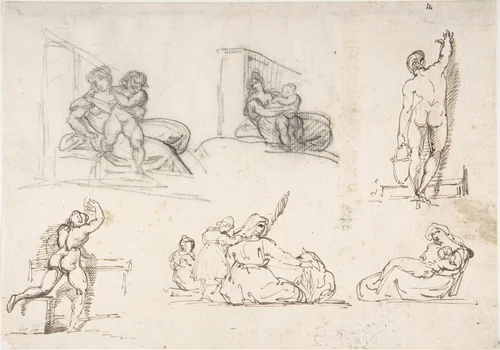
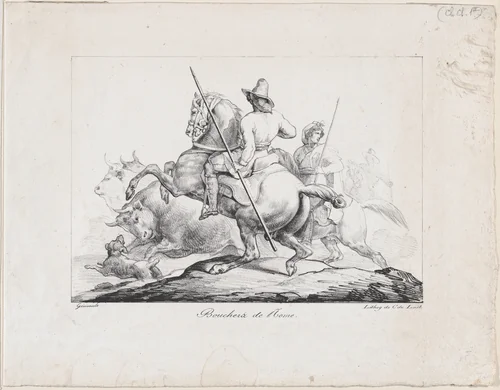
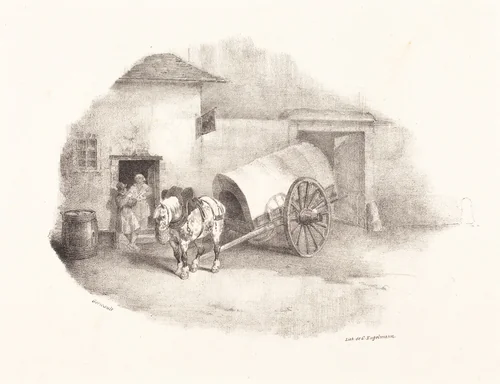
Gericault was a versatile artist who worked equally successfully as a painter and a lithographer. He embraced lithography, utilizing the relatively new medium to produce dynamic compositions, notably the series Quatre sujets divers (Four Diverse Subjects), which included observational pieces like Wagoner Climbing a Hill. His artistic process was characterized by rigorous preparatory study, often featuring dramatic renderings of common laborers, psychiatric patients, and horses. Drawings such as Cheval de charrette sorti des Limons and detailed figure studies like Head of a Man demonstrate his commitment to capturing visceral movement and emotional realism, a technical commitment directed toward entirely modern, often unsettling, subjects. For an artist whose reputation justly rests on epic narratives of human struggle, his surviving notebooks reveal a surprisingly persistent and fastidious fascination with the powerful mechanics of the common cart horse.
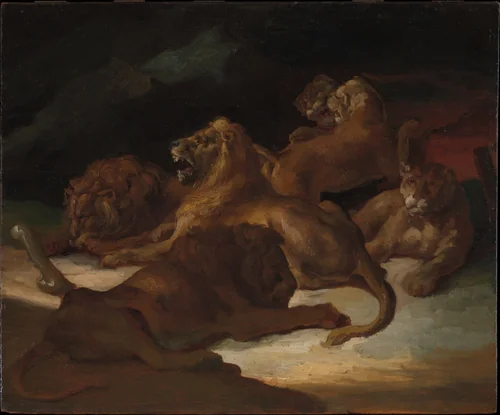
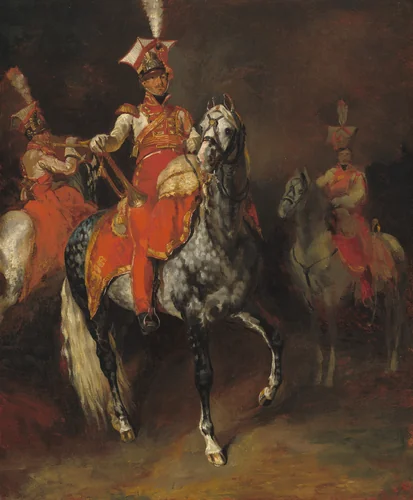
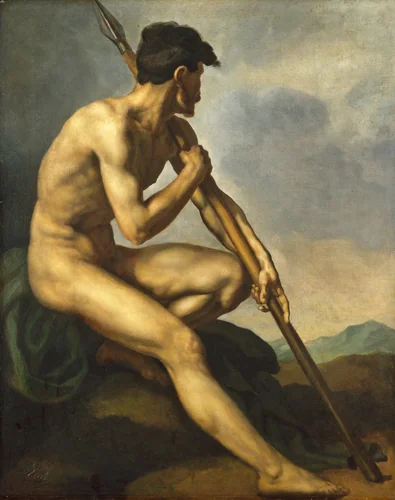
Gericault’s insistence that the artist engage directly with the messy, political reality of the present, rather than retreating into mythological scenes, established the conceptual groundwork for subsequent decades of French art. His intense focus on psychological experience provided a foundational influence for artists who followed, including his contemporary Eugène Delacroix. Today, the enduring power of his preparatory sketches and his finished works, including both Théodore Gericault paintings and Théodore Gericault prints, are housed in major international institutions, including the Metropolitan Museum of Art and the National Gallery of Art. Due to his relatively brief period of activity and the passage of time, many of his striking images are now in the public domain, making downloadable artwork and high-quality prints widely accessible to scholars and collectors globally.
Source: Wikipedia · CC BY-SA 4.0
![Head of a Man [recto] by Théodore Gericault, drawing, 1791-1824](https://img.artbee.org/a05cbb7d-afd1-4c59-8db2-9ce68a75e97b/small.webp)
![Study of a Man [verso] by Théodore Gericault, drawing, 1791-1824](https://img.artbee.org/4b1dd44e-2978-4b88-b8f5-e3b22b7424be/small.webp)