Théodore
The printmaker known only as Théodore occupies a specific, if sparsely documented, place in the late 17th-century tradition of classical landscape etching. Active around 1690, his known output comprises a modest suite of eight high-quality prints, showcasing a skilled adherence to the idealized pastoral views popularized decades earlier by masters like Claude Lorrain. That his small body of work is preserved in major institutions, including the Rijksmuseum, immediately establishes his enduring, albeit specialized, historical significance.
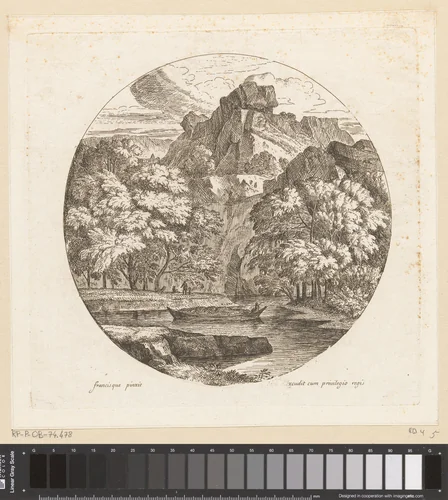
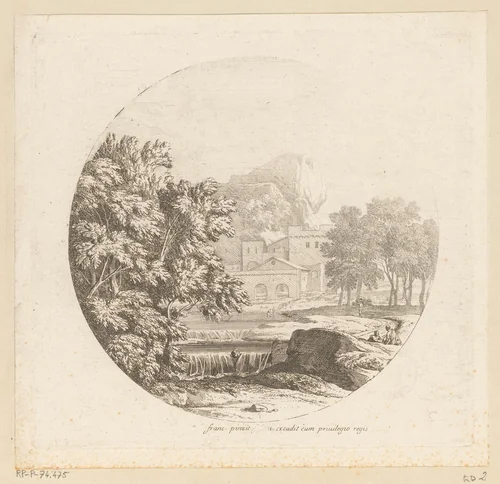
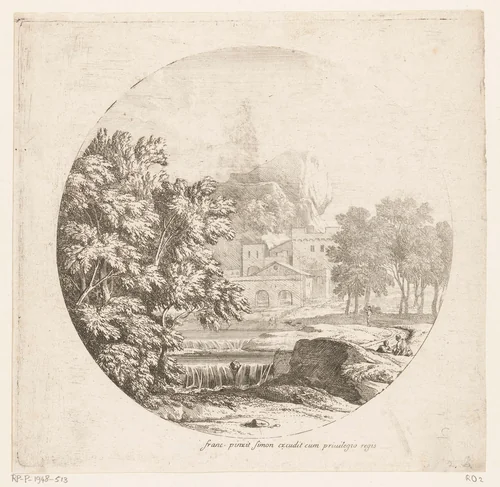
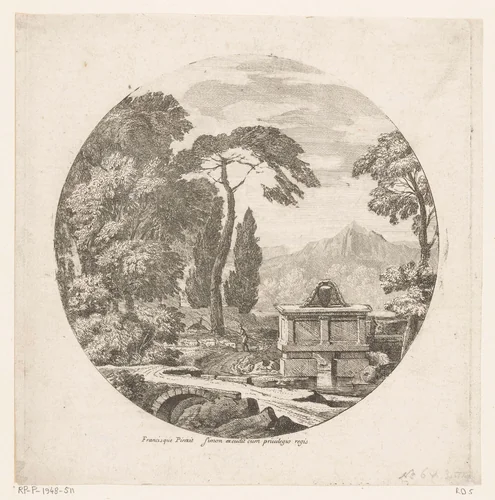
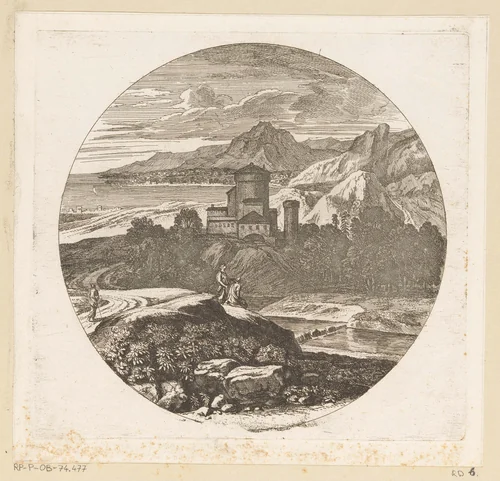
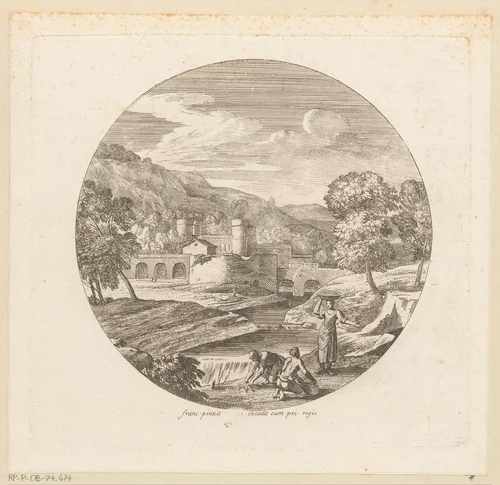
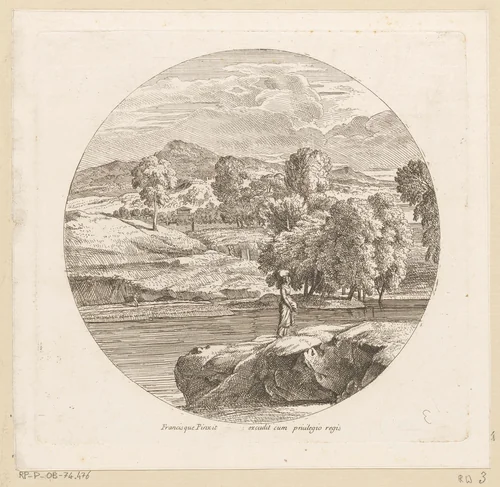
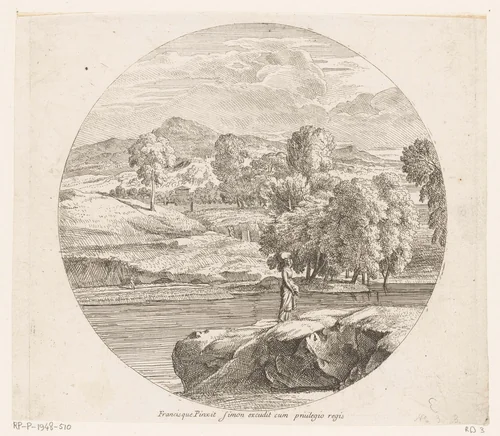
Théodore dedicated his brief documented career exclusively to the theme of Arcadia, a mythological Greco-Roman setting embodying idyllic harmony between man and nature. His compositions frequently employ deep spatial recession and dramatic architectural or natural anchors, demonstrating both technical control and a sophisticated understanding of atmosphere. Key examples, such as Arcadisch landschap met een dubbele cascade and Arcadisch berglandschap met een boot op een rivier, show a persistent fascination with the visual and symbolic integration of moving water, classical ruins, and subtle human presence within overwhelming natural grandeur. The consistent mood across these scenes is one of quiet contemplation, positioning the landscapes as ideal sites for philosophical retreat, in keeping with the tenets of late Baroque classicism.
The enduring obscurity surrounding the artist himself is perhaps the most intriguing aspect of his legacy. While the name Théodore translates as the "gift of God" in Greek, the full identity of this talented draftsman remains elusive, providing a peculiar contrast between the robust, seemingly eternal quality of his classical scenes and the fragility of his historical documentation. Nevertheless, the technical refinement evident in his limited edition of Théodore prints ensured their survival and continued appreciation across centuries.
Now, due to the passage of time, these detailed etchings have entered the public domain, allowing scholars and enthusiasts to access downloadable artwork of these late Baroque scenes. This accessibility ensures the landscapes of Théodore persist long after the particulars of his life have faded, confirming the power of his idealized visions to transcend their anonymity.