Theodor van Kessel
Theodor van Kessel (also recorded as Theodoor or Theodorus van Kessel) was a highly mobile and accomplished engraver whose brief documented career spanned the crucial period of 1646 to 1651. Active across the major artistic hubs of the Dutch Republic, Rome, and Antwerp, Van Kessel’s international trajectory reflects the high demand for skilled printmakers capable of executing complex technical and reproductive projects in the mid-seventeenth century.
He is perhaps best known for his collaborative contribution to David Teniers the Younger’s ambitious project, the Theatrum Pictorium. This vast publication was fundamental in documenting the collection of Archduke Leopold Wilhelm, establishing visual standards for cataloging that influenced museological practices for decades.
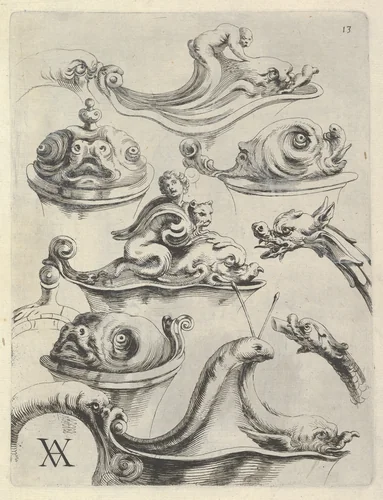
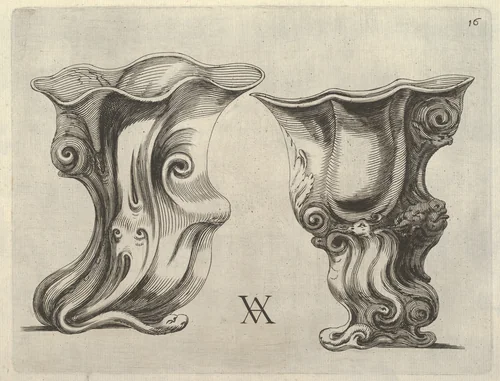
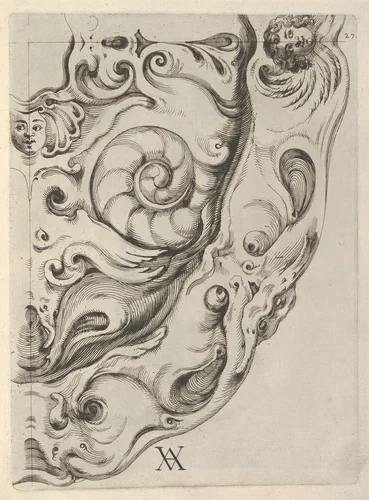
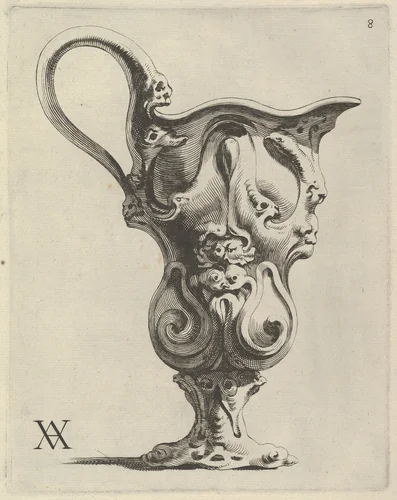
While often utilized for collective endeavors, Van Kessel’s independent output centers on the dissemination of sophisticated decorative models, positioning him as a vital figure for workshop practice across Northern Europe. His major known contribution is the series Modelli Artificiosi di Vasi diversi d'argento et altre Opere capriciozi (...), issued in multiple parts. These volumes, comprising five known books and two single prints, served as essential reference catalogs for silversmiths, jewelers, and decorative artists. Plates such as Plate 13 and Plate 8 from the first part, and Plate 27 from the second, demonstrate his precise command of line, rendering intricate metalwork and elaborate ornamental designs with structural clarity and elegance.
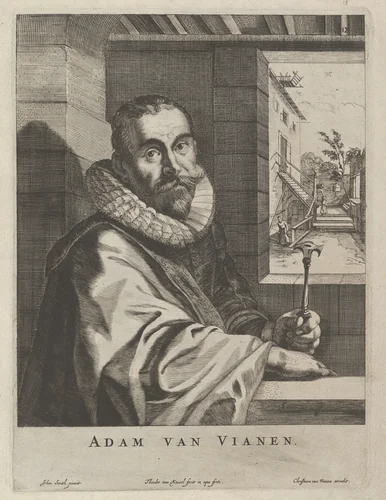
Van Kessel’s ability to transition seamlessly between producing highly technical design work and delicate portraiture is notable. Found as Plate 18 in the second volume of the Modelli Artificiosi, his meticulous engraving of Adam van Vianen, the renowned Utrecht silversmith, serves as a charming, subtle reminder that the history of decorative design required celebrating the masters as well as documenting the models. Today, these seminal Theodor van Kessel prints, which shaped workshop practice across the continent, remain subjects of serious study. His concise and impactful body of work is preserved in major institutions, including the Metropolitan Museum of Art, and accessible globally as museum-quality images often available through the public domain. His oeuvre confirms him as a key figure in the dissemination of high-Baroque decorative culture.
Source: Wikipedia · CC BY-SA 4.0