Theodoor van Thulden
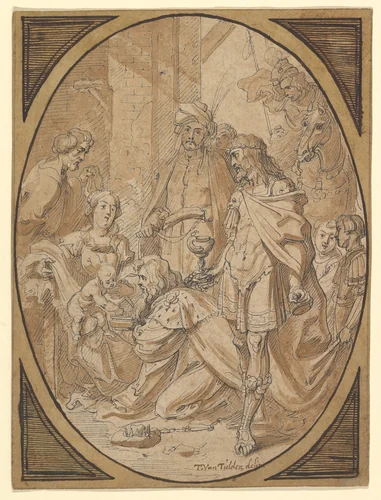
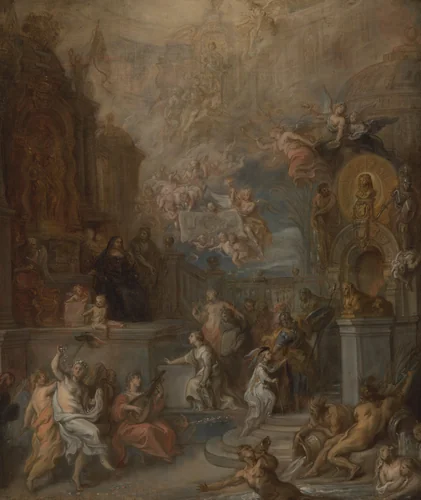
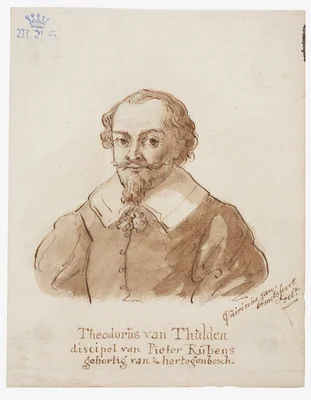
Theodoor van Thulden (1606-1669) occupied a prominent position within the complex and dynamic landscape of 17th-century Flemish art. Born in 's-Hertogenbosch, he established his foundational training in Antwerp, the undisputed artistic center of the Southern Netherlands. Versatile and technically adept, Van Thulden was equally skilled as a painter, draughtsman, and engraver, allowing him to tackle grand projects ranging from devotional altarpieces and portraits to sophisticated allegorical and mythological compositions, such as The Adoration of the Magi. This comprehensive mastery of multiple mediums ensured his continuous relevance across varied artistic patronage channels.
Van Thulden’s career trajectory was notable for its international scope, encompassing significant periods of activity not only in Antwerp and his native city but also in Paris. This mobility reinforced his exposure to diverse stylistic demands, particularly those related to large-scale court projects. Crucially, his expertise as an engraver played a central role in disseminating the monumental visions created by the leading Flemish masters.
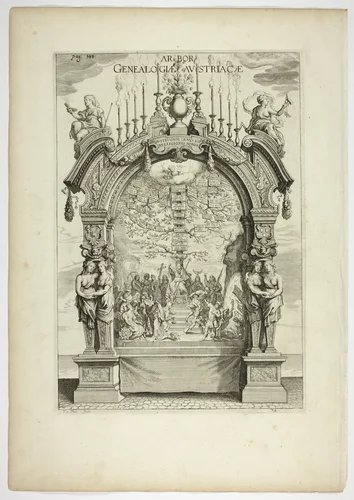
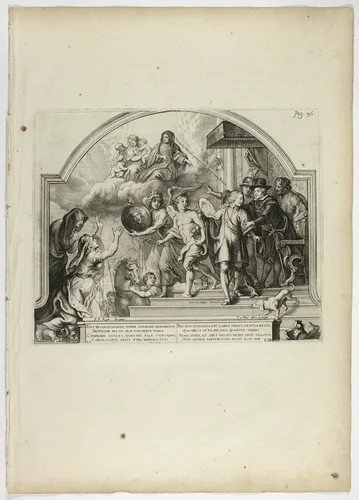
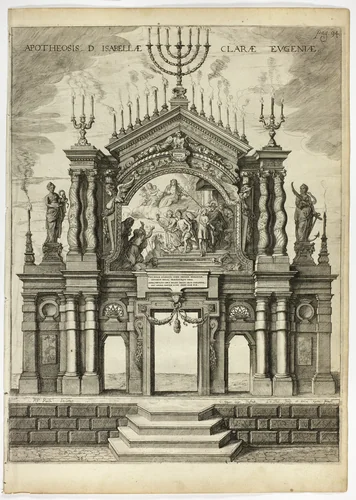
He is perhaps best known for his contribution to the permanent record of the 1635 Triumphal Entry of Cardinal-Infante Ferdinand into Antwerp. Executing several plates for Casperius Gevartius's celebratory volume, Pompa Introitus Honori Serenissimi Principis Ferdinandi, Van Thulden created vital documentation. Works like Philip IV Appointing Prince Ferdinand Governor of the Netherlands and Genealogical Tree of the Austrian Royal Family demonstrate his precise ability to translate temporary, architectural splendor into permanent, high-quality prints. His meticulous translation work meant that the grand, ephemeral displays of Baroque civic power could survive for posterity, a necessary skill when dealing with celebrations designed to last only a few hours.
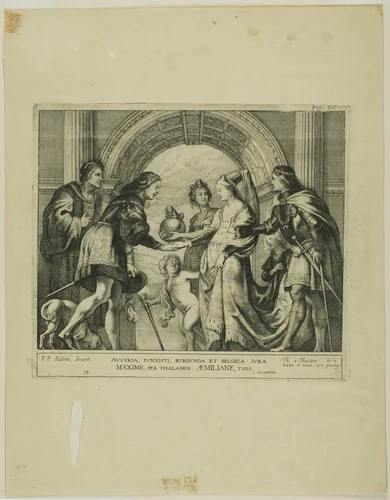
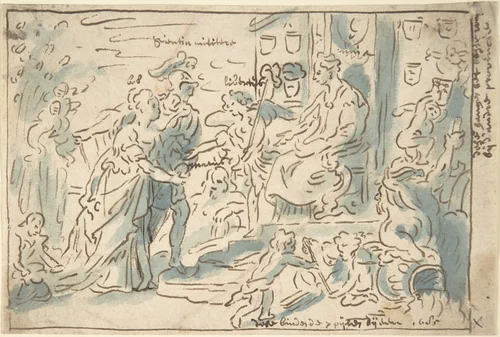
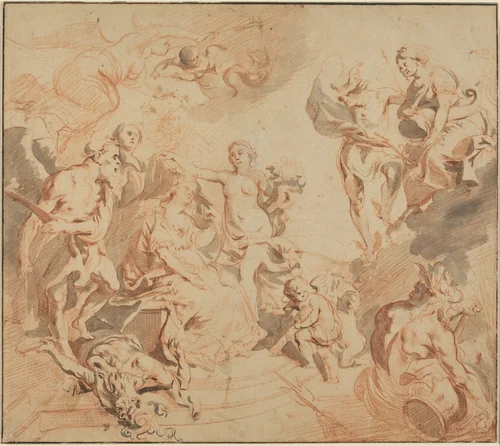
While celebrated for his major Theodoor van Thulden paintings, his extensive surviving graphic output offers vital insight into the visual culture of the era. His drawings and prints, including The Marriage of Maximilian of Austria with Mary of Burgundy, are held in major international collections, notably the Rijksmuseum, the Metropolitan Museum of Art, and the National Gallery of Art. As much of his catalogue resides in the public domain, these precise and sophisticated works offer researchers and enthusiasts valuable royalty-free access to a master draftsman’s output, ensuring his legacy as a critical interpreter of the High Baroque endures.
Source: Wikipedia · CC BY-SA 4.0