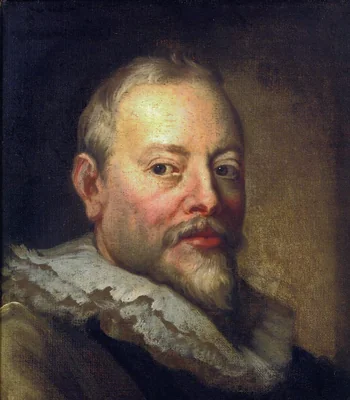
Theodoor Galle
Theodoor Galle (also recorded as Dirck Galle) was a highly influential figure in the Flemish tradition of printmaking, active from approximately 1571 to 1610. Based primarily in Antwerp, Galle operated at the intersection of Mannerism and the nascent Baroque style, utilizing the rapidly expanding market for reproductive engravings to disseminate visual culture across Europe. His consistent, high-quality output over nearly four decades ensured his historical importance, positioning his works in leading institutions globally, including the Rijksmuseum, the Metropolitan Museum of Art, and the Art Institute of Chicago.
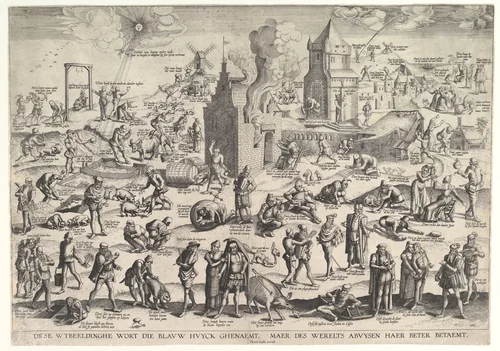
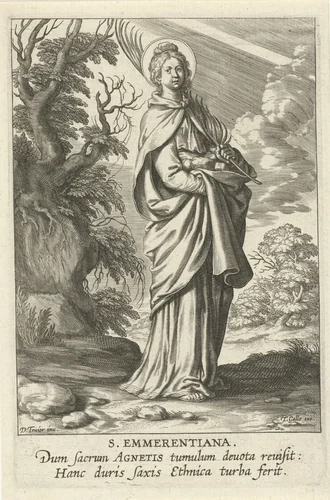
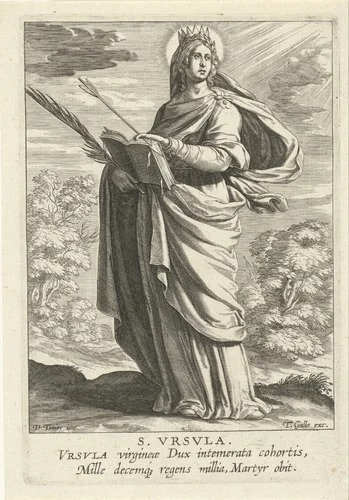
Galle’s body of work is characterized by remarkable versatility, addressing both sacred and secular subjects with equal precision. He engaged deeply with devotional themes, producing detailed religious imagery such as the rendering of Heilige Emerentiana van Rome and Heilige Ursula. Simultaneously, he contributed to Netherlandish folk culture, producing complex and satirical prints like De Blauwe Huyck (The Blue Hood), a detailed visual commentary on common proverbs and morality.
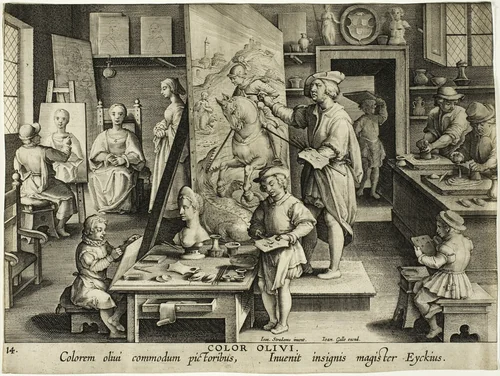
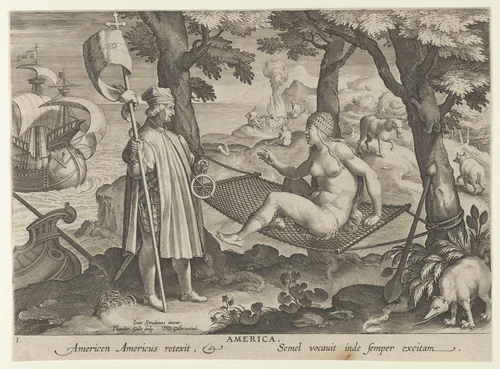
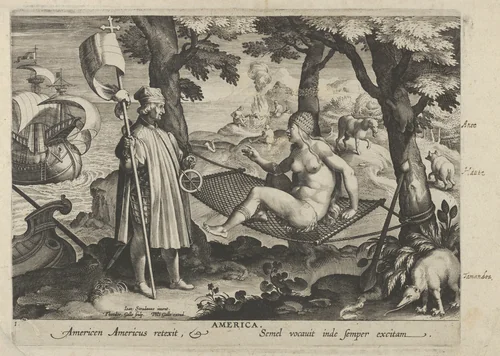
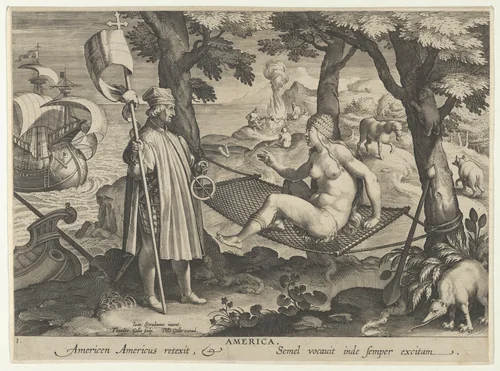
Galle’s most compelling historical impact, however, lies in his contribution to the visualization of contemporary innovation and exploration. He played a critical role in the production of the seminal Nova Reperta (New Inventions of Modern Times) series. These compositions documented the rapid technological and geographical advances of the late sixteenth century, effectively providing the emerging industrial and scientific age with a visual vocabulary. In this series, Galle illustrated subjects as diverse as The Invention of Oil Painting and the profound geopolitical shift depicted in the Allegory of America.
It is perhaps Galle’s particular genius that an engraver committed to the reproduction of traditional religious figures was also instrumental in defining the graphic depiction of globalization and technological progress. His ability to synthesize enduring religious tradition with the emerging scientific revolution made his workshop indispensable. While Theodoor Galle paintings are not characteristic of his oeuvre, his legacy is powerfully maintained through his extensive catalogue of engravings. Today, many of his masterful historical prints are held in the public domain and are widely accessible as museum-quality, downloadable artwork, ensuring the continued study of this pivotal Flemish artist.
Source: Wikipedia · CC BY-SA 4.0
![New Inventions of Modern Times [Nova Reperta], The Invention of Clockwork, plate 5 by Theodoor Galle, print, 1595-1605](https://img.artbee.org/c05c9f4a-6778-4e18-873c-a48180943aab/small.webp)