Théo van Rysselberghe
Théophile "Théo" van Rysselberghe (1862-1926) was a Belgian painter and graphic artist who served as a critical conduit for modernism in fin de siècle Europe. A dedicated practitioner of Neo-Impressionism, Van Rysselberghe was instrumental in importing and championing the systematic, scientific color theories of Georges Seurat across the continent. His active period from the late 1880s through 1900 was defined by an elegant mastery of Divisionism, the technique of applying color via discrete, small dots to achieve luminosity and visual fusion.
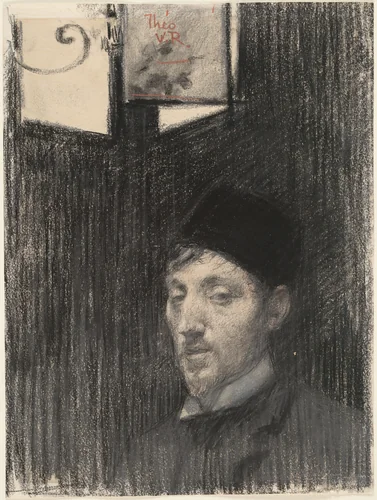
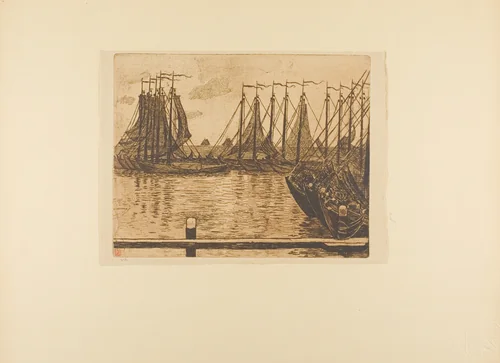
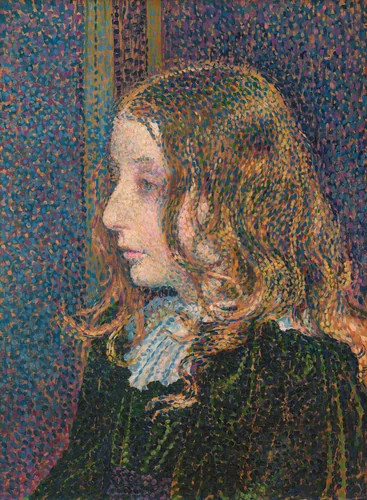
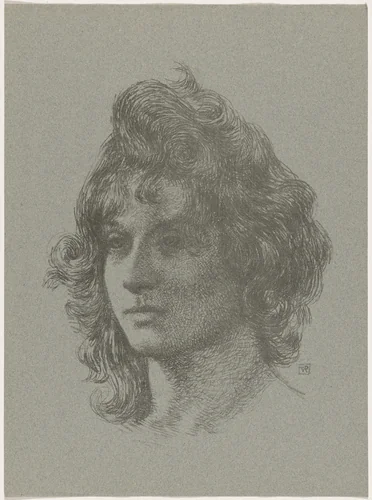
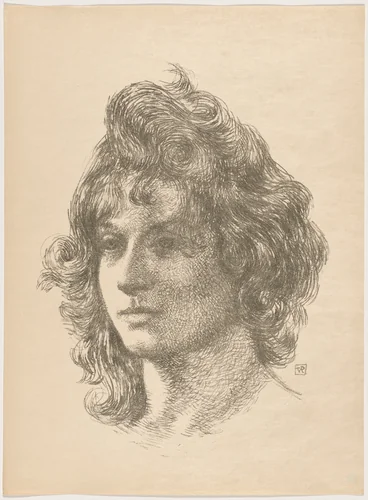
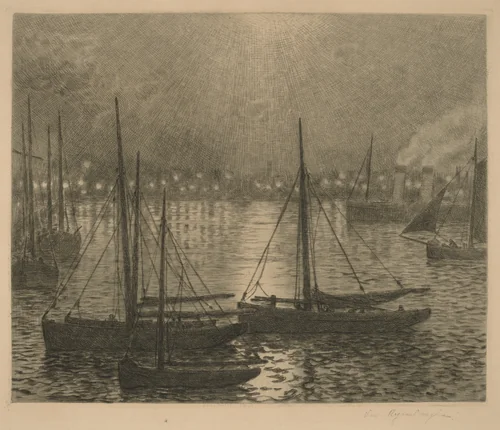
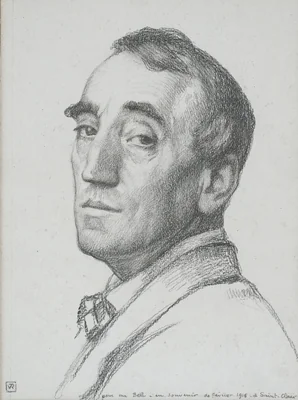
His artistic evolution accelerated dramatically after encountering Seurat’s masterwork, A Sunday Afternoon on the Island of La Grande Jatte. Van Rysselberghe adopted this pointillist approach, applying its structural rigor to both portraiture, such as his penetrating Self-Portrait and Denise Maréchal, and to sweeping scenic compositions. Unlike some contemporaries who found Divisionism overly restrictive, Van Rysselberghe managed to imbue his meticulous works with a sophisticated sense of light and movement, evident in the dynamic lithograph Fishing Fleet, created for the influential L’Estampe originale album series.
Van Rysselberghe’s significance extended far beyond his own canvases. He was a foundational member of Les XX (The Twenty), the Brussels avant-garde collective established in 1883. His leadership role within this organization was critical; he used the group’s annual exhibitions to expose Belgian audiences to international figures who were frequently overlooked by the established French Salons, introducing critical works by artists such as Vincent van Gogh and Paul Cézanne. It is perhaps one of the great understated accomplishments of European modernism that Brussels, thanks largely to Van Rysselberghe’s curatorial influence, became a necessary stop for artists seeking critical validation outside Paris.
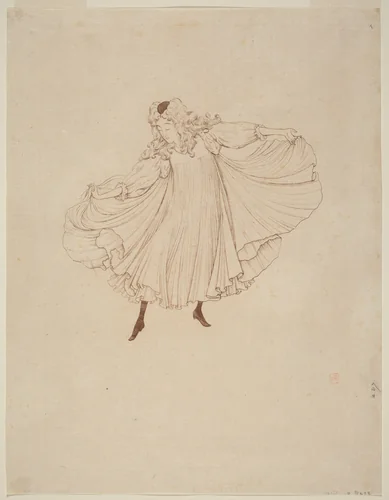
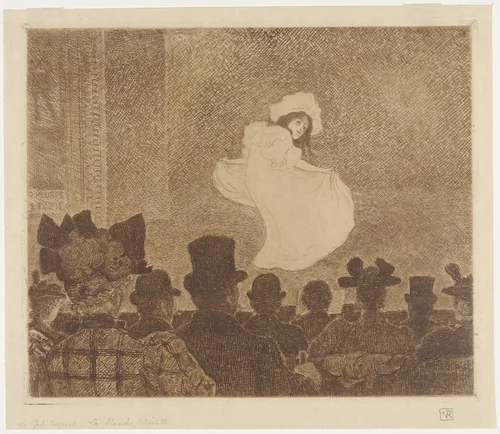
Although celebrated for his highly structured oil compositions, Van Rysselberghe was also an accomplished draftsman and dedicated printmaker. His graphic output, including various études and the evocative study of performance art in Loïe Fuller, showcases a technical facility with line work rarely associated with strict Divisionist painters. Today, examples of Théo van Rysselberghe paintings and museum-quality prints are held in prestigious international institutions, including the Museum of Modern Art, the Art Institute of Chicago, and the National Gallery of Art. The increasing availability of his works as downloadable artwork in the public domain ensures continued appreciation for this pivotal figure of the Divisionist movement.
Source: Wikipedia · CC BY-SA 4.0