Theo van Hoytema
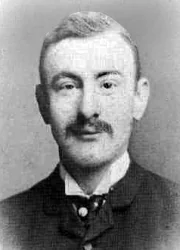
Theodorus van Hoytema, known simply as Theo van Hoytema, was a pivotal Dutch lithographer, illustrator, and graphic designer whose activity spanned the late nineteenth and early twentieth centuries. He played a crucial role in elevating applied art, particularly the illustration of book covers and calendars, into objects meriting museum-quality distinction. His work is characterized by a precise draughtsmanship and an acute sensitivity to natural forms, cementing his legacy not merely as a commercial artist, but as a master of the illustrative print.
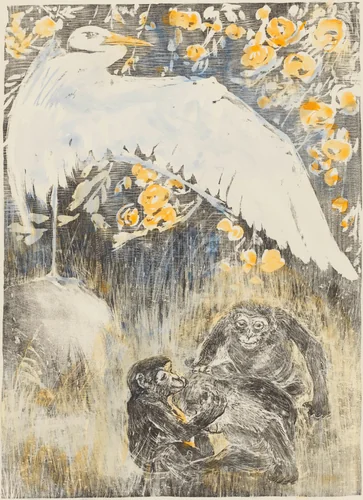
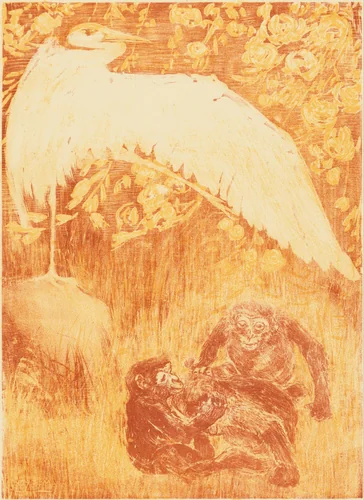
While Van Hoytema’s recorded output includes a small number of fine art pieces, such as the rare example of a Theo van Hoytema paintings, his lasting reputation rests squarely on his prolific production of graphic designs. His technical expertise in lithography allowed him to create illustrations that balanced scientific detail with expressive aestheticism. Works like the repeated series Flowers and Leaves demonstrate his skill in translating botanical and organic structures into compelling, two-dimensional design layouts suitable for reproduction.
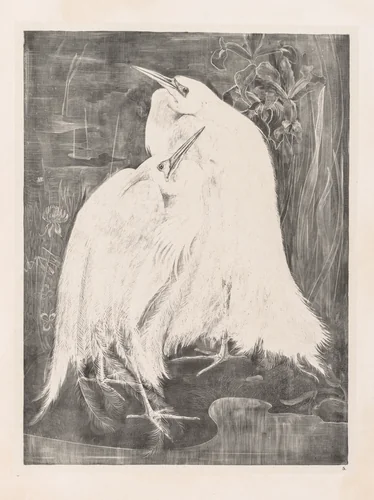
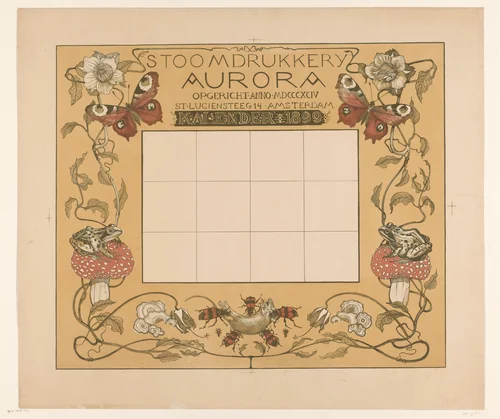
Van Hoytema’s greatest popular acclaim stemmed from his seasonal designs, transforming the functional object of the calendar into a desired annual artifact. His specialization in avian subjects became his signature motif; his book covers and greeting cards were often populated by vividly rendered birds. Christmas cards, such as the charming Kerstkaart met drie flamingo's, illustrate his capacity to imbue the often-ephemeral nature of commercial print with enduring charm and personality. It is perhaps an understated observation that few artists have managed to make the humble flamingo such an instantly recognizable element of turn-of-the-century holiday aesthetics.
The consistent demand for his work, even for ordering forms like the Bestelkaart voor kalender 1902, underscores his popularity and the pervasive reach of his aesthetic style. Today, Van Hoytema’s designs remain widely accessible. Recognizing their historical and artistic value, many of his highly detailed illustrations and high-quality prints are included in the public domain, ensuring his continued influence as a graphic innovator whose naturalistic vision redefined commercial art in the Netherlands. His works are held in prestigious collections, including the Rijksmuseum, confirming his status as a foundational figure in Dutch graphic design.
Source: Wikipedia · CC BY-SA 4.0