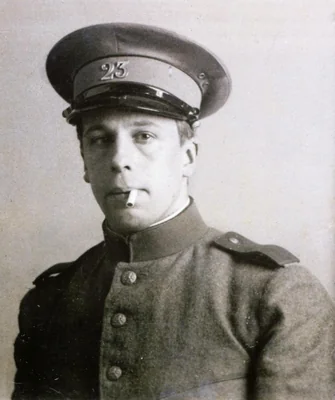
Theo van Doesburg
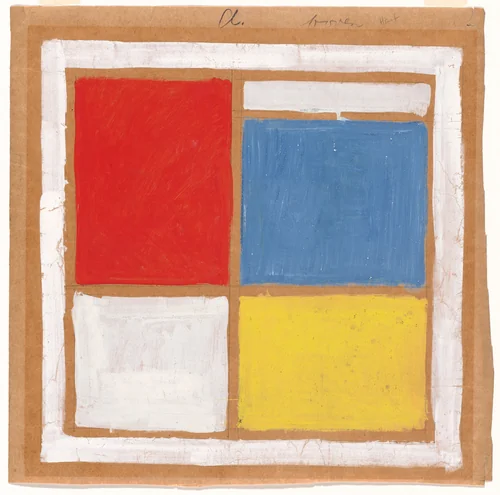
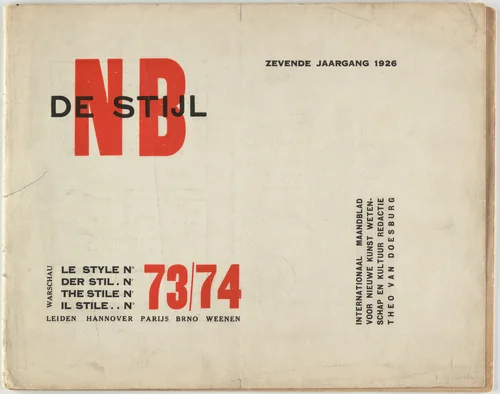
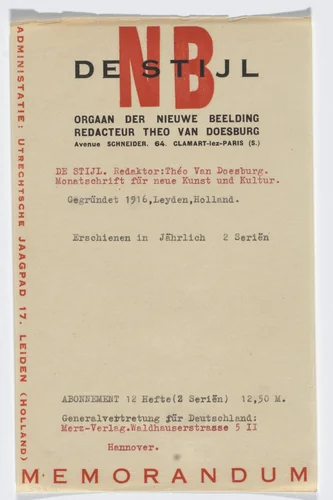
Theo van Doesburg (1883-1931) stands as a foundational figure in European modernism, best known as the intellectual architect and driving force behind the seminal Dutch art movement, De Stijl. As a prolific and versatile figure, active across painting, writing, poetry, and architecture, van Doesburg provided the essential theoretical scaffolding for the movement’s radical pursuit of geometric purity and universal harmony, which became formally known as Neo-Plasticism. The eponymous journal De Stijl, which he founded in 1917, served as the primary platform for disseminating these austere, rigorous principles globally.
Van Doesburg’s artistic achievements lay in his systematic reduction of natural and organic forms to elemental, primary structures. His methodology was often documented through stringent analytical series, providing a key documentation of the move toward complete abstraction. A crucial example of this process is seen in the numerous sketches he created for works such as the Study for Composition (The Cow), a series now held in major international collections including the Museum of Modern Art. These drawings illustrate the stepwise elimination of descriptive detail in favor of fundamental vertical and horizontal structures. This rigorous, almost scientific approach ensured that his artistic production was not merely decorative but a highly intellectualized statement about the underlying structure of visual reality.
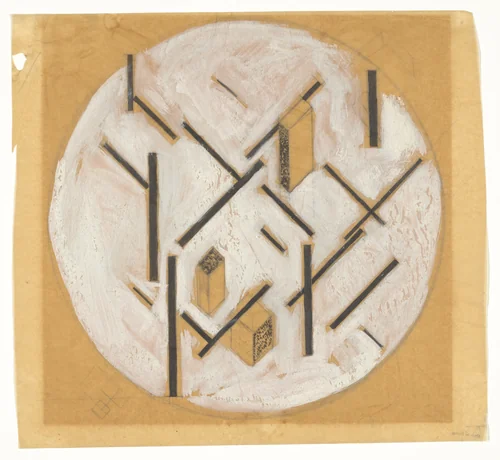
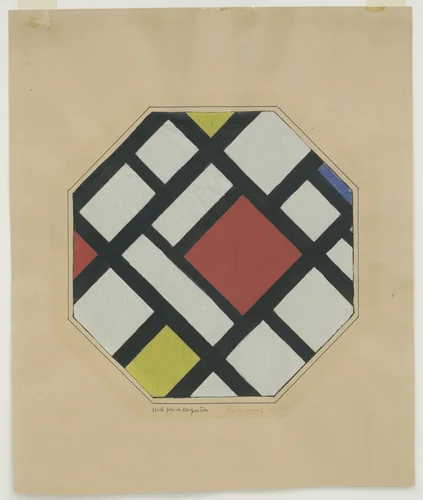
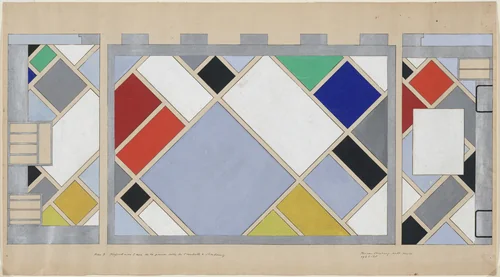
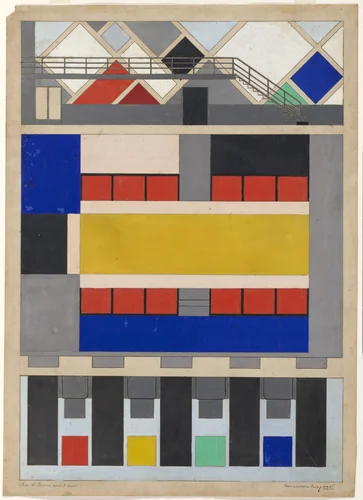
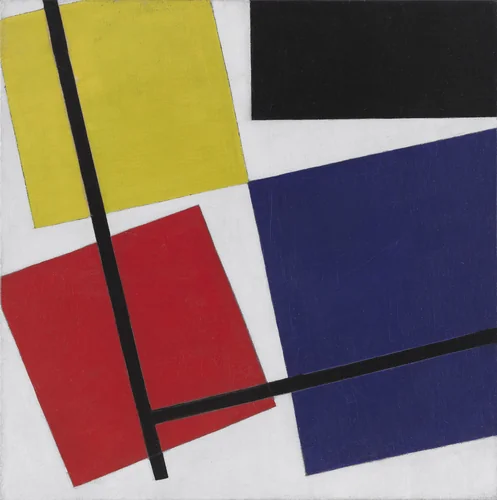
While his early work strictly adhered to Piet Mondrian’s orthogonal principles, van Doesburg consistently sought to expand the movement's theoretical scope. His restlessness eventually led him to introduce the diagonal line, defining Elementarism in the mid-1920s. This key alteration, though controversial among his core contemporaries, confirmed his commitment to dynamism and the expression of the fourth dimension over static perfection.
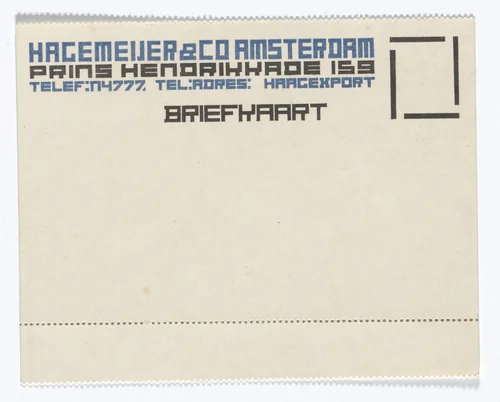
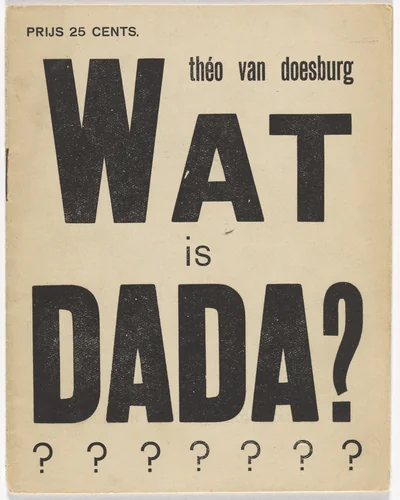
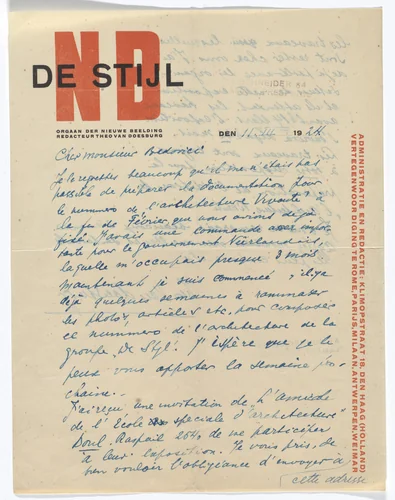
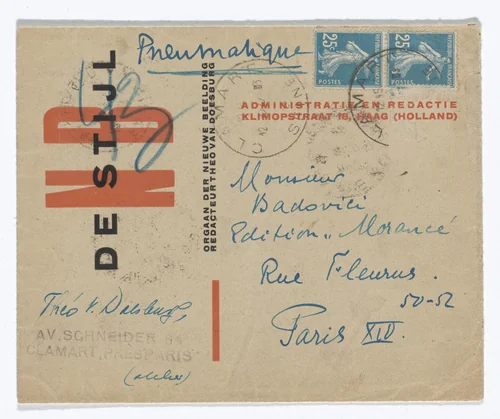
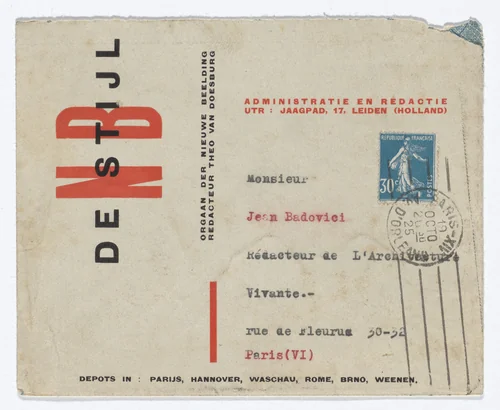
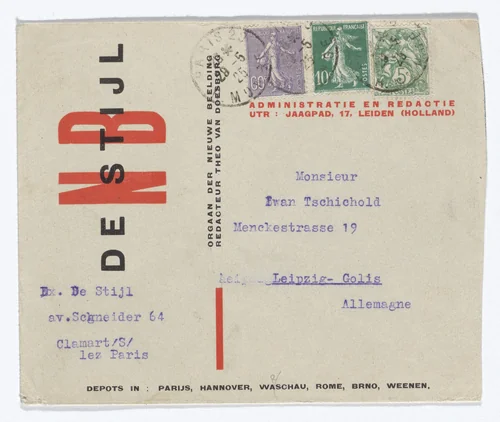
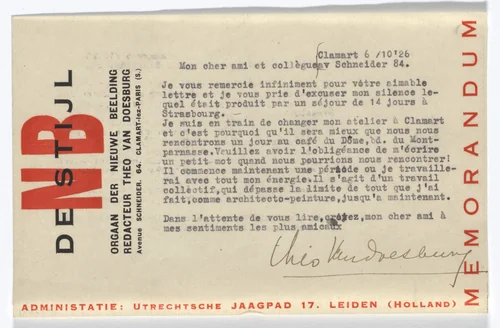
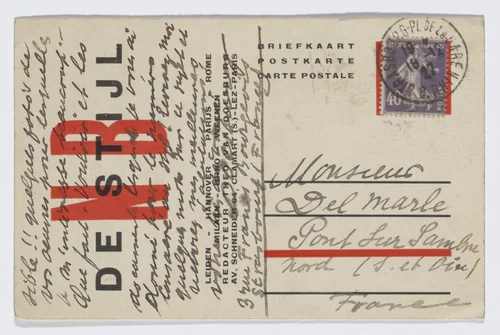
He exerted immense influence through tireless correspondence and lectures across Europe, shaping graphic design, typography, and architecture far beyond the Netherlands. One interesting facet of his complex career is that he frequently published architectural criticism and polemical manifestos under the Russian pseudonym I. K. Bonset, perhaps suggesting an awareness of the power inherent in separating the artist from the polemicist. Today, many foundational documents and early graphical works by van Doesburg are in the public domain, ensuring that Theo van Doesburg paintings and related studies remain accessible as high-quality prints for study and collection.
Source: Wikipedia · CC BY-SA 4.0