Takashima Chiharu (高島千春)
Takashima Chiharu (高島千春) was an artist active across the 19th century, with documented production spanning 1800 to 1878. The artist specialized in graphic arts, specifically prints and illustrated books, suggesting a specialization within Japanese visual culture during the late Edo and early Meiji periods.
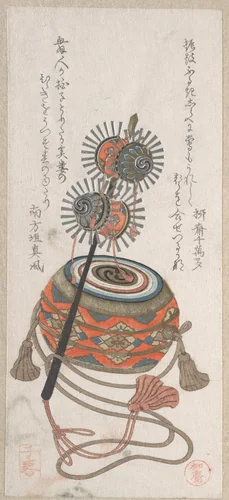
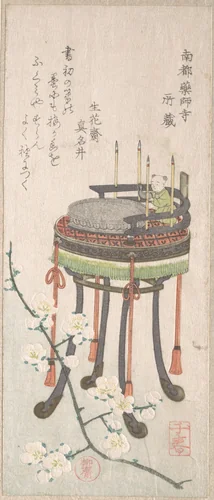
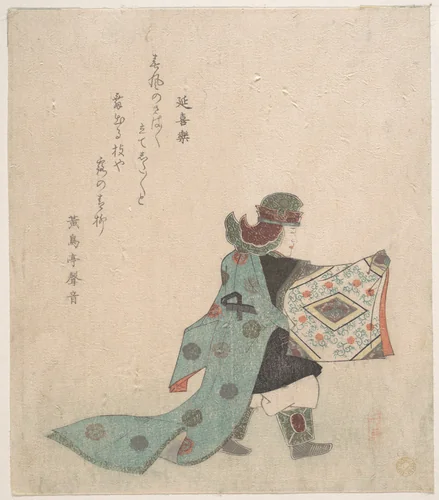
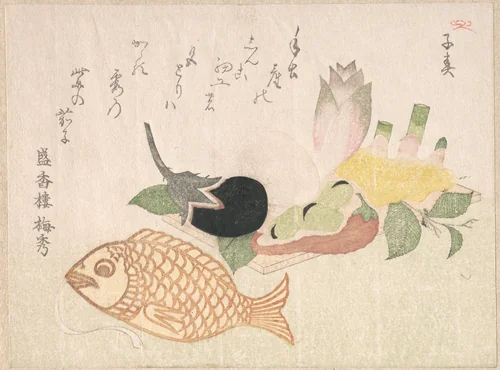
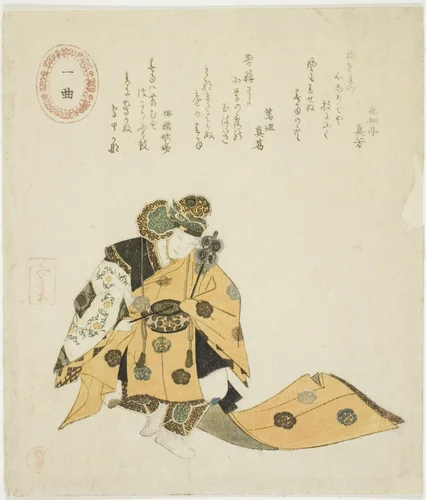
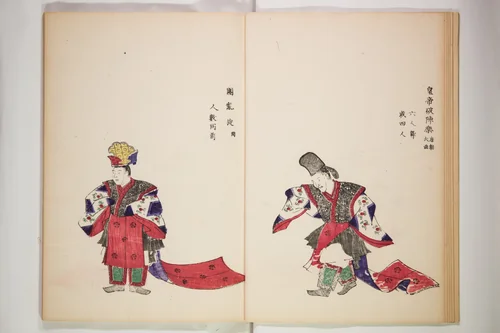
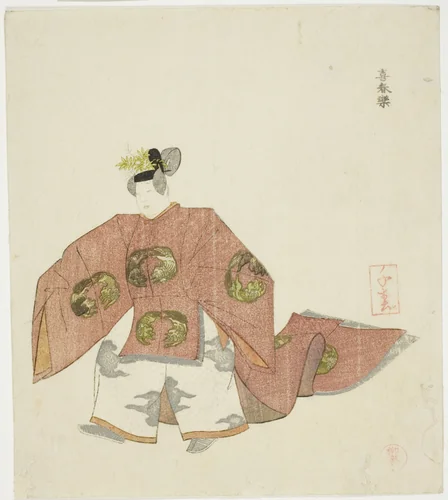
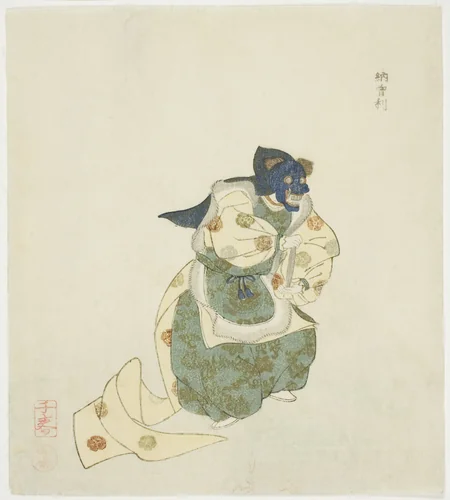
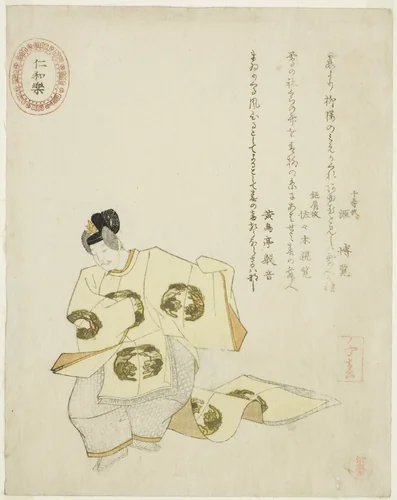
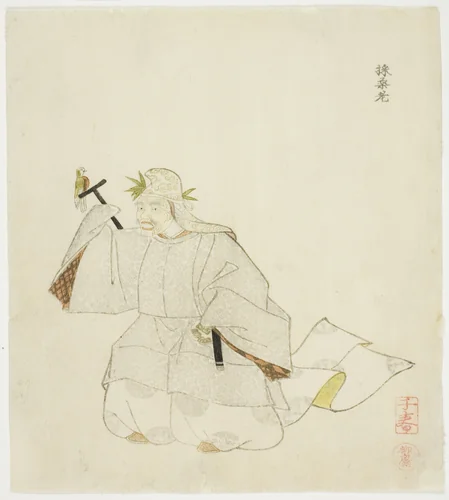
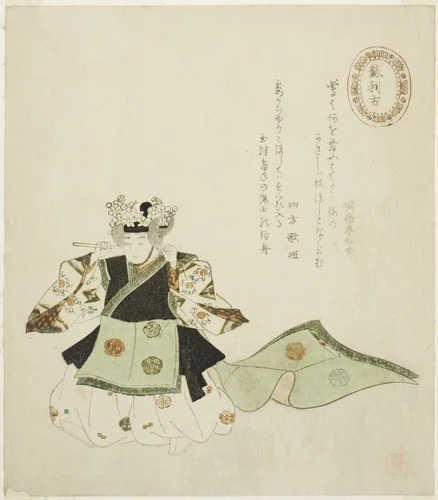
The artist’s known output, as documented in international institutional databases, includes 10 prints and two books. The subjects often relate to Japanese ritual, theater, and detailed still life compositions. Prominent works represented in collections include theatrical depictions, such as Drum and Keiro, A Kind of Musical Instrument Used for the Bugaku Dance and Scene from Noh Dance. Other prints demonstrate a focus on domestic or ritual objects, including Plum Branch with Flowers and a Stand with a Writing Set and Papier-Mache Fish and Various Vegetables.
The established credibility of Takashima Chiharu (高島千春) is confirmed by the preservation of their work in significant international institutions. The artist’s output is held in major collections including the Rijksmuseum, the Metropolitan Museum of Art, and the Art Institute of Chicago. These museum-quality examples provide key insights into 19th-century Japanese printmaking. Today, many Takashima Chiharu (高島千春) prints are considered part of the public domain, expanding accessibility for study and appreciation.