T. Smith
T. Smith is known exclusively through a small corpus of five prints executed within a highly concentrated four-year window between 1786 and 1790. Despite the profound brevity of this active period, the historical and artistic quality of these compositions is attested to by their consistent inclusion in major institutional holdings, notably the Metropolitan Museum of Art. This lasting presence confirms the immediate historical significance and museum-quality of T. Smith’s output within the highly competitive late eighteenth-century graphic arts market.
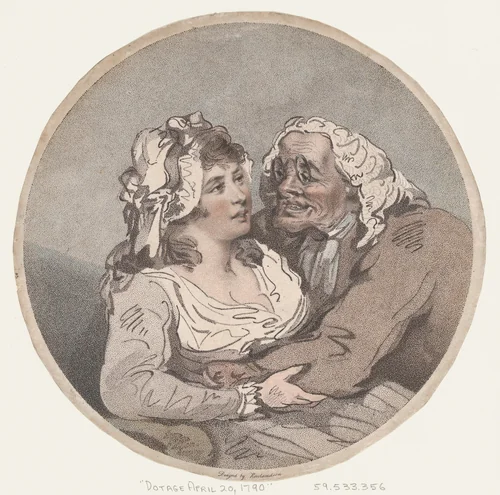
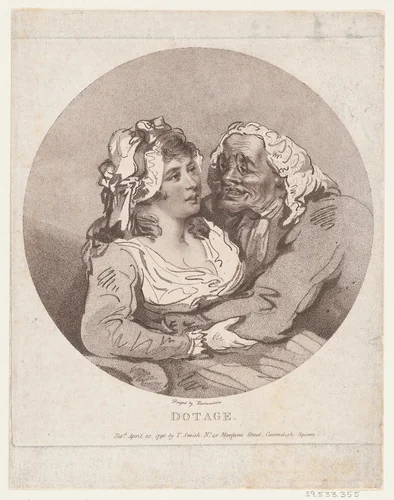
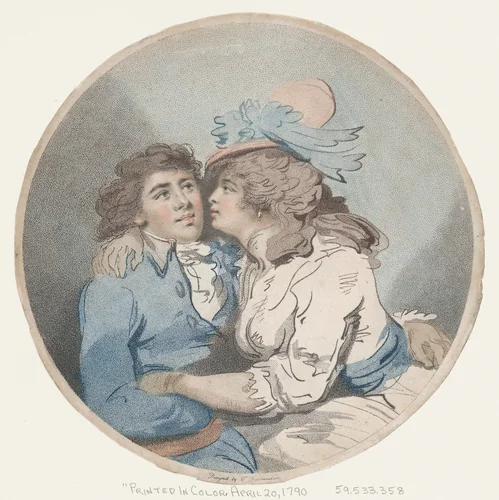
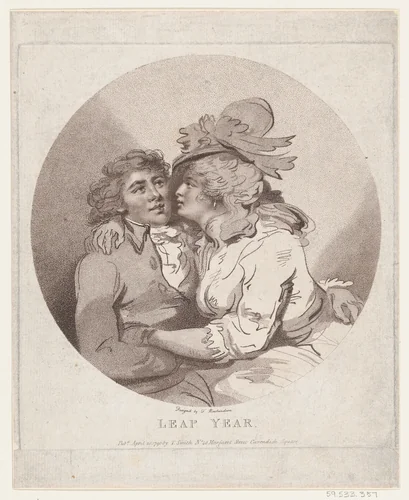
Working at the close of the Georgian era, T. Smith participated in a vigorous tradition of English printmaking that favored accessible social satire and dramatic genre imagery. The works frequently exploit contemporary social tropes and theatrical conventions. Subjects include the complexities of aging and courtship, as evidenced by the pair of prints titled Dotage, and the specific challenges of marital customs highlighted in the humorous prints labeled Leap Year. These compositions demonstrate an engagement with popular sentiment and a keen eye for human folly, often capturing the ephemeral social anxieties and amusements of the period.
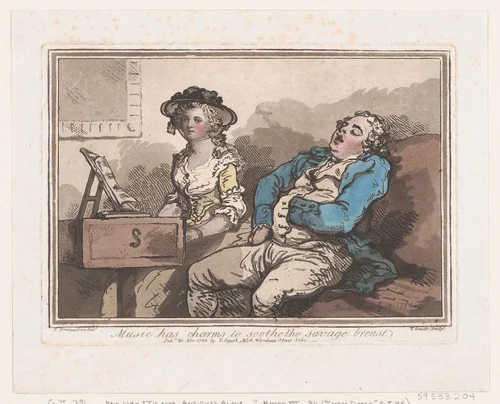
The most elaborate title, Music Has Charms to Soothe the Savage Breast, indicates a sophisticated awareness of established cultural idioms, drawing its phrasing from William Congreve’s The Mourning Bride (1697). Such references suggest T. Smith was targeting a well-read urban audience familiar with literary and dramatic standards.
In an ironic historical twist, the artist’s overwhelming anonymity, stemming from the commonality of the surname Smith, ensures that T. Smith remains one of the most thoroughly obscured figures of the period, known almost exclusively by the caliber of the surviving artistic record rather than biographical incident. Today, this limited but vital archive is often categorized within the public domain. Researchers and enthusiasts frequently seek high-quality prints and downloadable artwork of these rare eighteenth-century social studies, ensuring that T. Smith’s quiet contribution to the printmaking canon continues to circulate royalty-free.