Stephen Antonakos
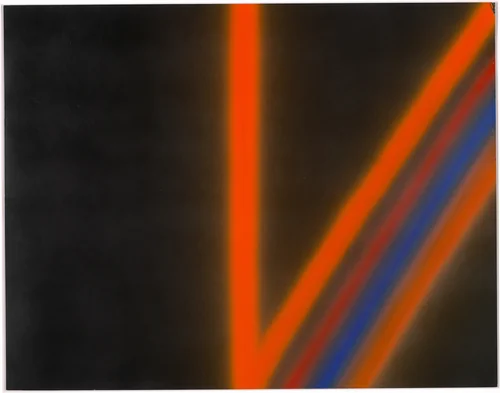
Stephen Antonakos (1926-2013) was a pivotal Greek-American sculptor whose career fundamentally redefined the use of light and industrial materials within the context of abstract art. Active particularly from the mid-1960s onward, Antonakos is most distinguished for his rigorously abstract sculptures and installations that centrally feature neon. His contribution was to move the luminous medium far beyond its commercial origins, treating the colorful gas tubes not as novelty or signage, but as primary formal, geometric, and chromatic elements integral to the structure of the piece itself.
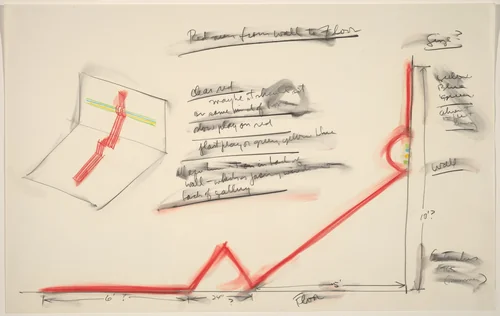
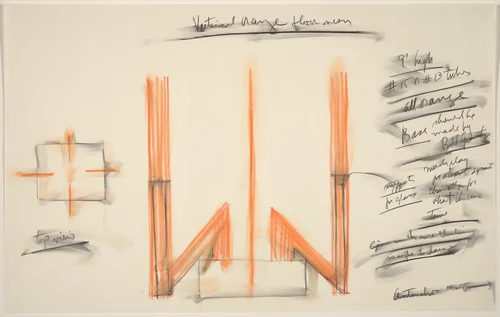
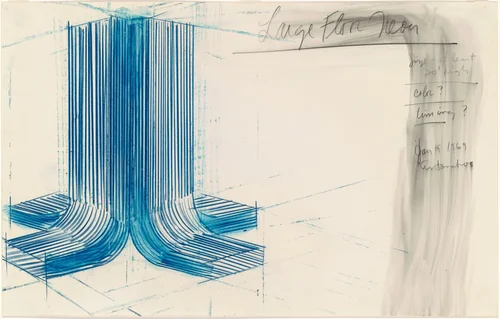
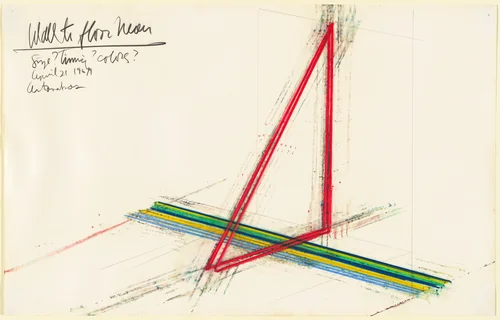
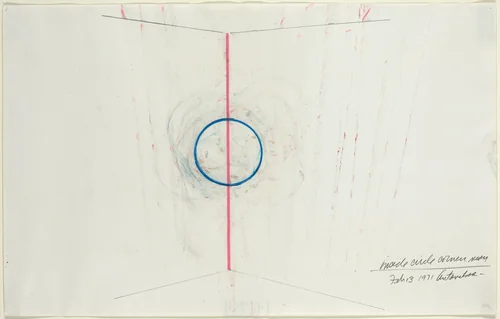
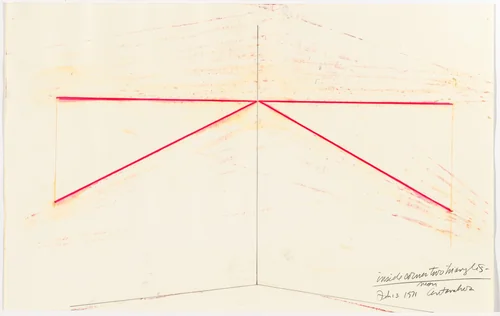
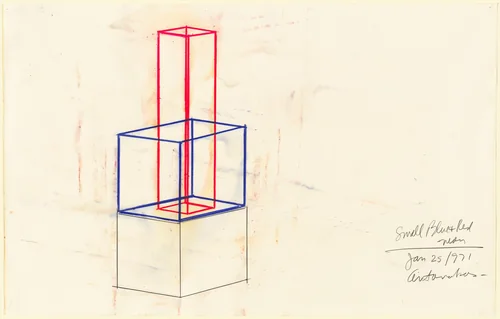
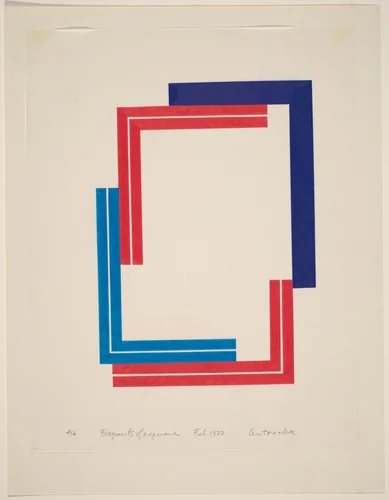
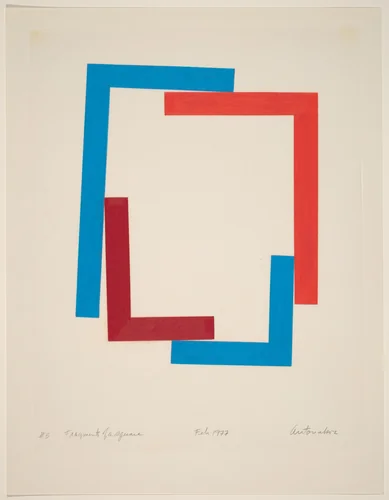
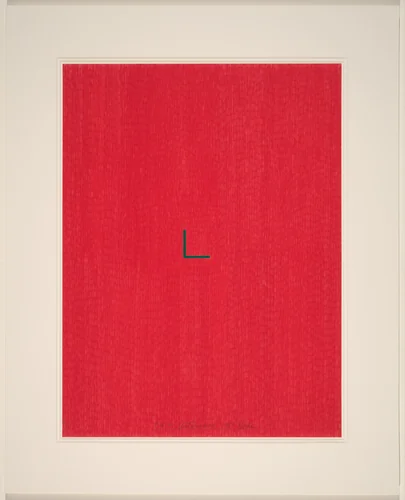
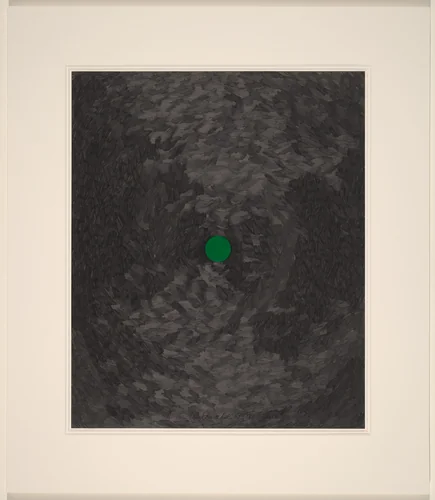
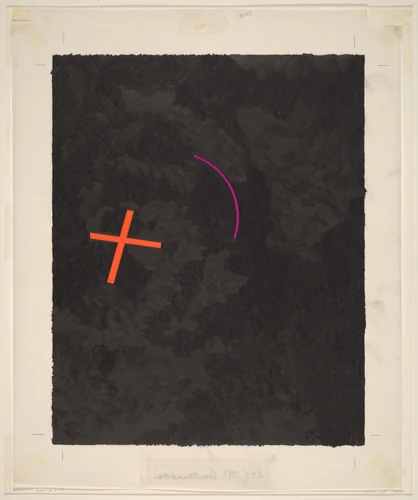
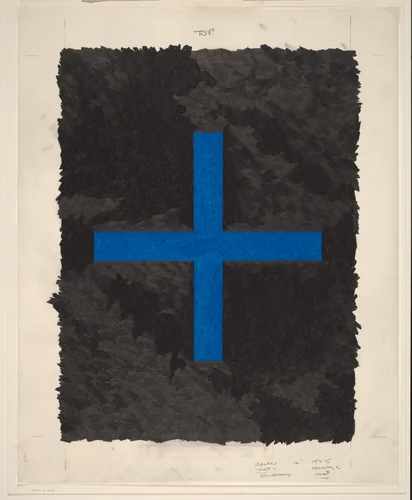
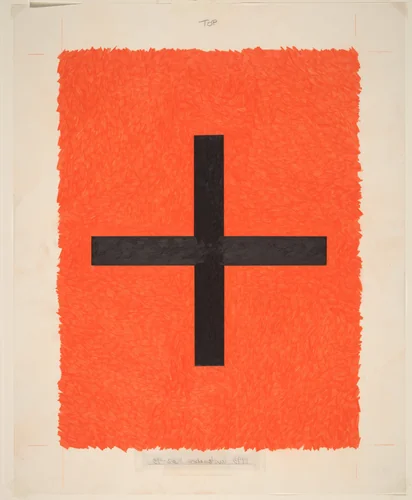
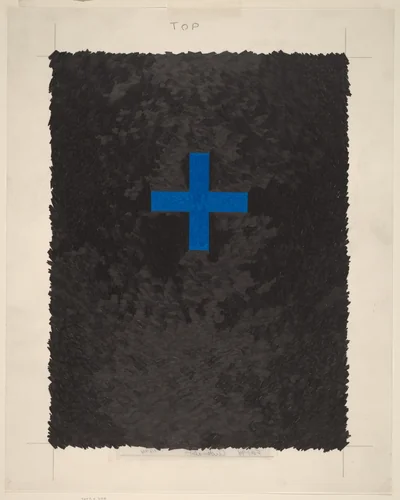
His body of work demonstrates an exacting precision, often juxtaposing clean, pure lines of colored light against the hard geometry of the exhibition architecture. Antonakos systematically explored how line, volume, and color interact across planes and corners, making the surrounding environment a critical, often invisible, component of the finished sculpture. Major works from the period demonstrate this architectural dialogue, including pieces such as Red Neon from Wall to Floor, Vertical Orange Floor Neon, and Wall to Floor Neon. His approach was highly conceptual, with preparatory work often taking the form of detailed drawings, such as the fifteen known examples created during his most active years, which acted as precise blueprints for the luminous constructions.
Antonakos operated within the post-minimalist environment, but while many contemporaries emphasized material repetition and industrial neutrality, he employed a structured geometry that often pulsed with a vibrant, Mediterranean warmth derived from his inventive color palette. He managed to maintain an uncompromising conceptual rigor while simultaneously producing sculptures that possess an undeniable visual energy. This subtle internal contradiction, where formal purity meets inherent vibrancy, characterizes his unique contribution to abstraction.
The historical significance of his work is recognized by major institutions, with key pieces residing in collections such as the National Gallery of Art. These holdings serve as museum-quality representations of how artists integrated new technologies into high art during the late twentieth century. His commitment to pure geometric abstraction ensured his works maintained a powerful, focused influence on subsequent artists. Today, studies of his preparatory pieces, sometimes available as high-quality prints, remain significant documents detailing the meticulous planning that preceded his monumental interventions of light in space.
Source: Wikipedia · CC BY-SA 4.0