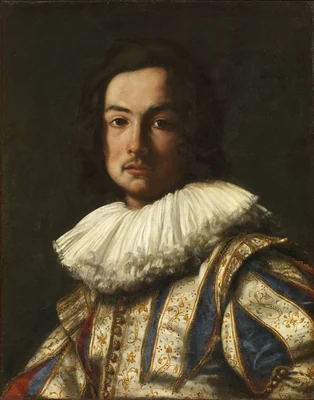
Stefano della Bella
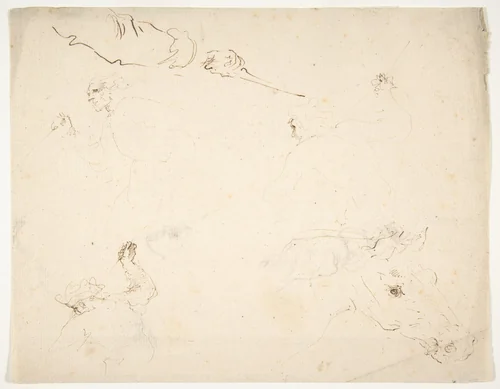
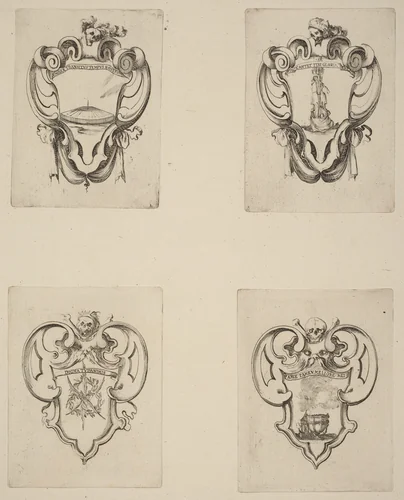
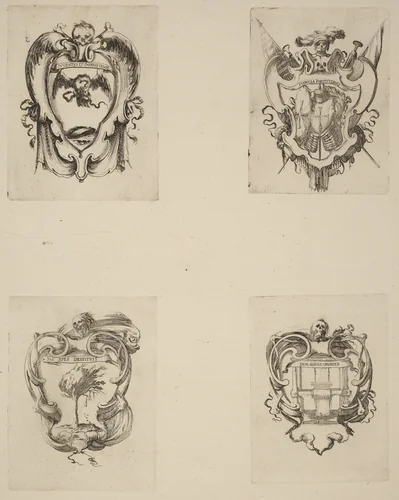
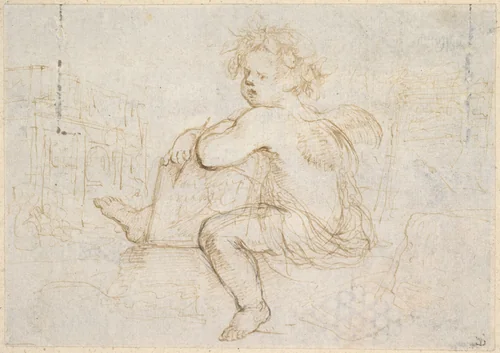
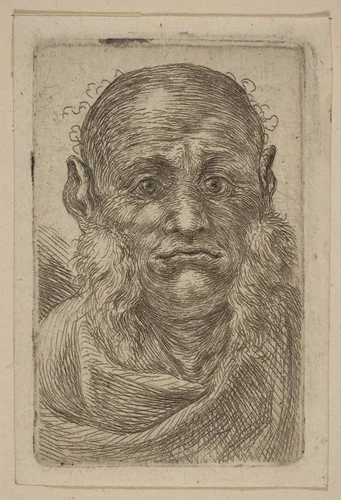
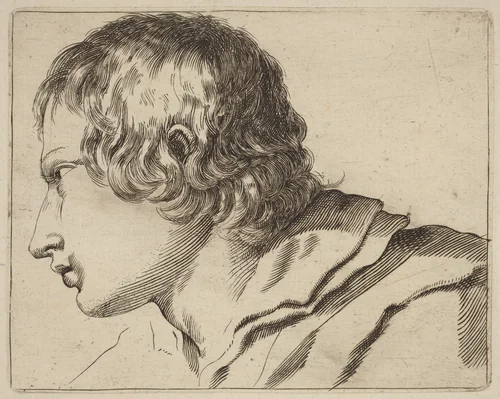
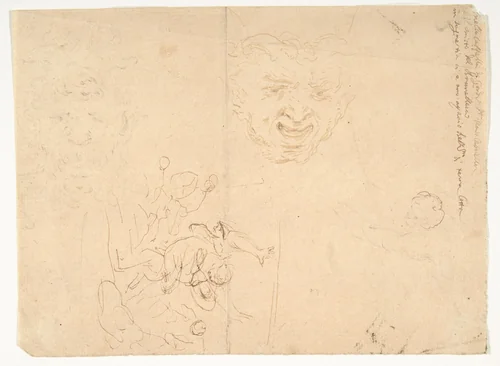
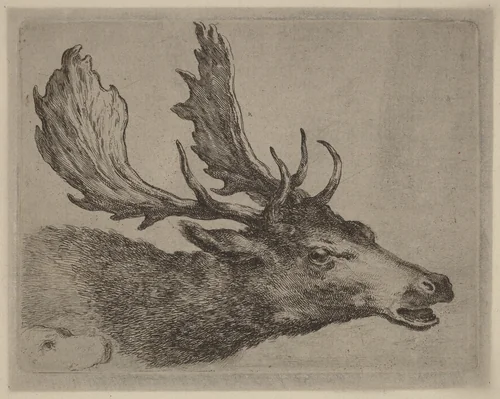
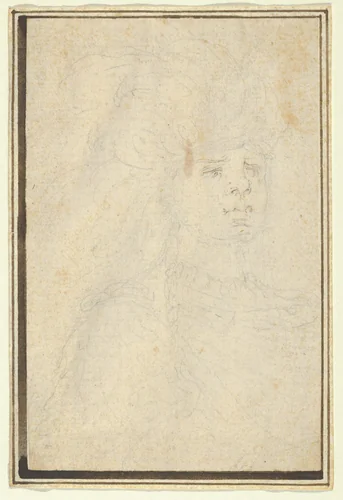
Stefano della Bella (1610-1664) was arguably the most prolific Italian draughtsman and printmaker of the 17th century. Born and based in Florence, he dedicated his career almost exclusively to graphic arts, leaving behind an astonishing corpus of 1052 distinct prints and several thousand known drawings. This immense output starkly contrasts with his painted work, of which only a single known canvas survives, confirming his mastery resided in the precision and immediacy of the etching needle.
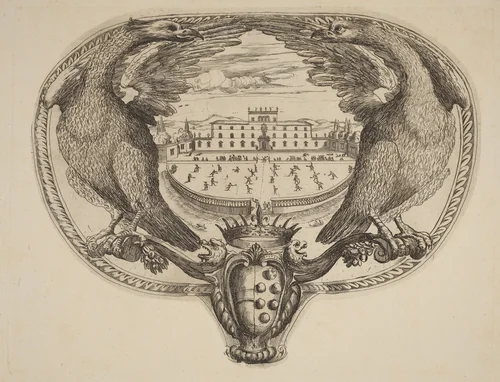
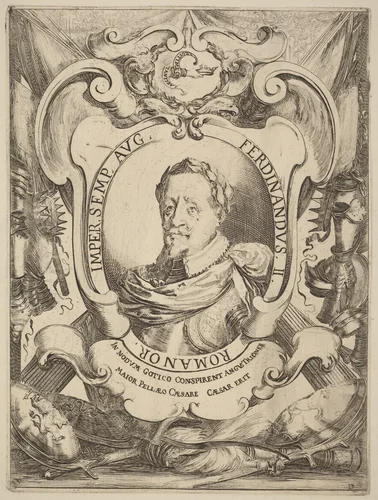
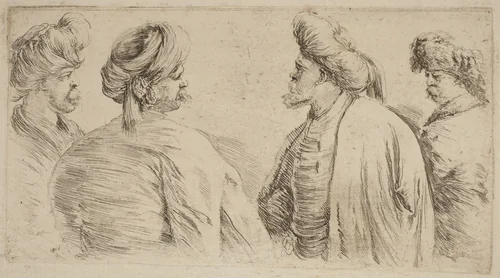
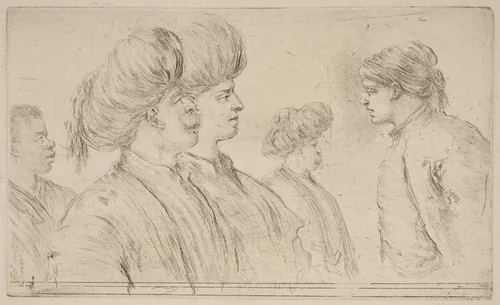
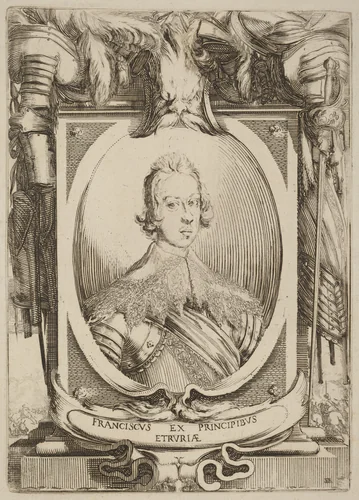
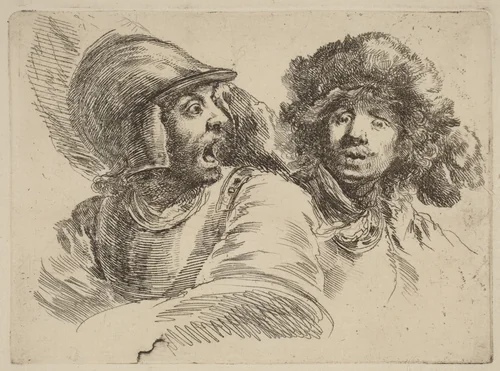
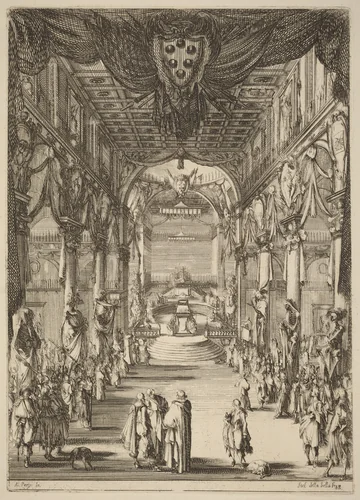
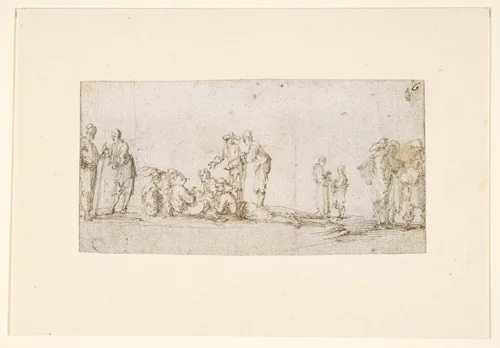
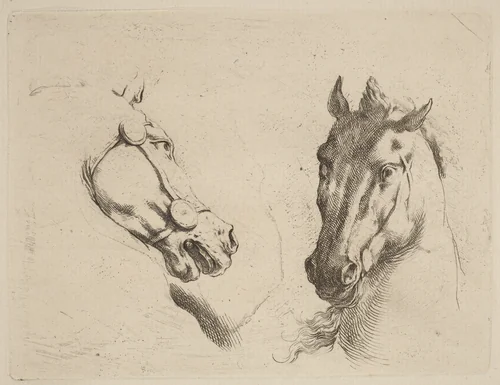
Della Bella’s etchings display an enormous thematic range, distinguished by an energetic line and an uncanny ability to capture motion. While highly adept at rendering formalized military reviews and sophisticated courtly processions, he excelled equally in capturing dynamic genre scenes, fantastical caprices, and evocative landscapes. His ability to fuse documentary realism with theatrical flair meant his work served as a visual archive of European life in his era; if it moved, della Bella drew it.
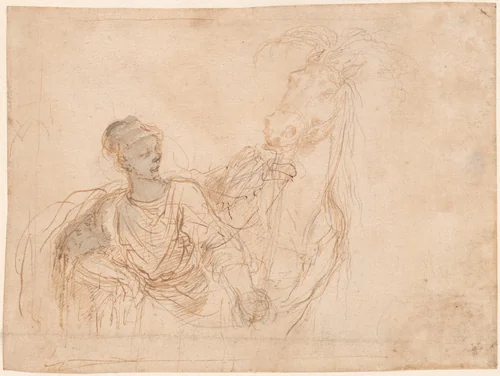
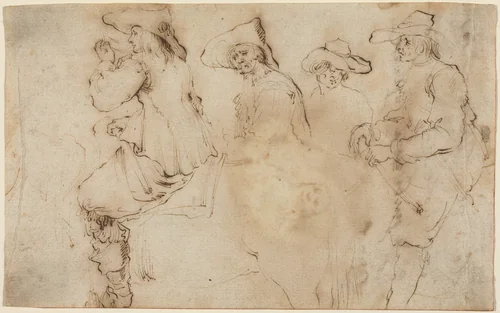
His subjects often addressed mortality and spectacle simultaneously. Works like Death Carrying an Infant, from the series Les cinq Morts, reveal a taste for macabre allegory, while scenes featuring diverse figures, such as the numerous variations on cavalry studies including Two Figures on Horseback, a Soldier Walking Behind and A Black Horseman, showcase his meticulous attention to costuming and fleeting human interaction.
Della Bella’s fluid line work and innovative use of scale made his prints highly sought after across Europe. His extensive body of work ensured his lasting presence in major institutions; today, his key works are held in prominent international collections, including the Metropolitan Museum of Art and the National Gallery of Art. Because many of his surviving plates and original prints are now considered public domain assets, the ability to study Stefano della Bella prints is exceptionally accessible. Scholars continue to examine the unique role his high-quality prints played in distributing new aesthetic and documentary ideas throughout the Baroque period, demonstrating why his contribution remains central to the history of Italian printmaking.
Source: Wikipedia · CC BY-SA 4.0