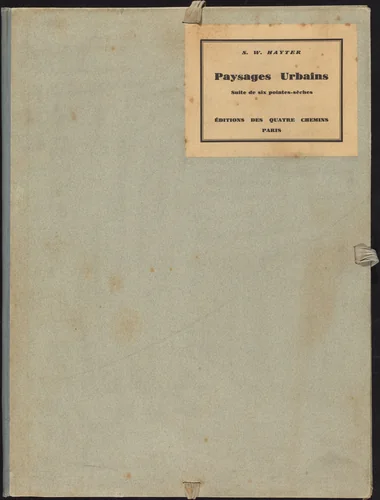
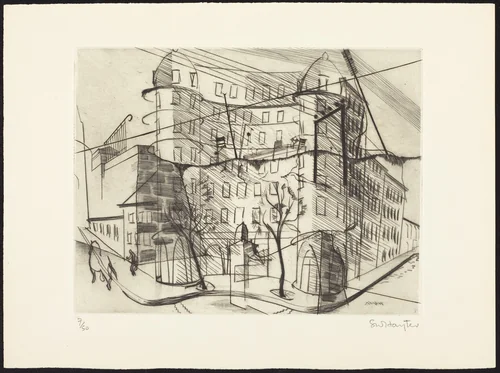
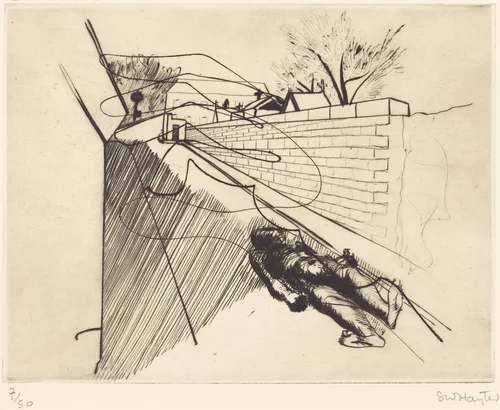
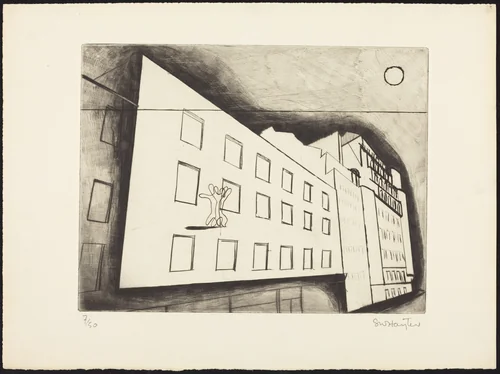
Stanley William Hayter
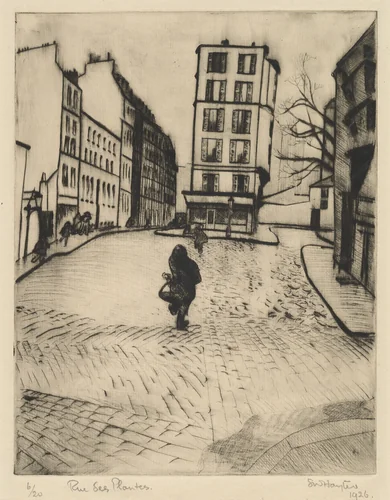
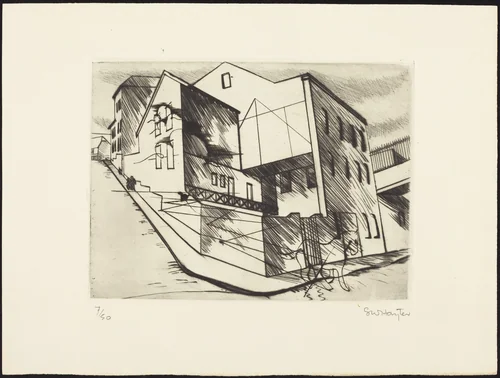
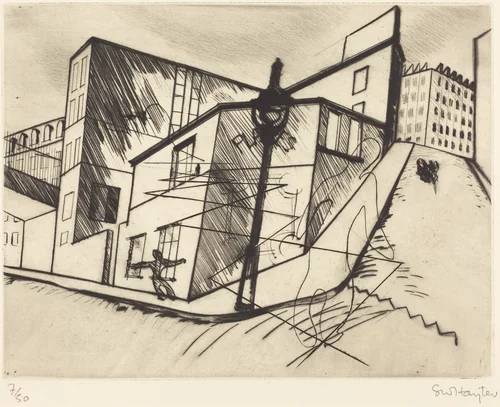
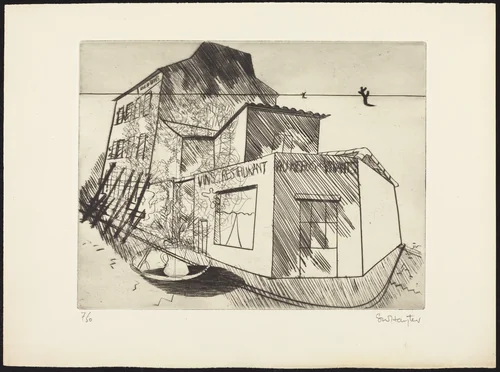
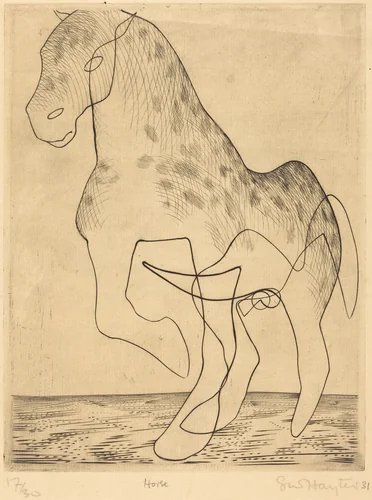
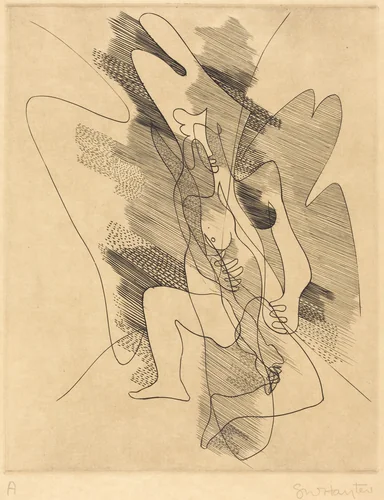
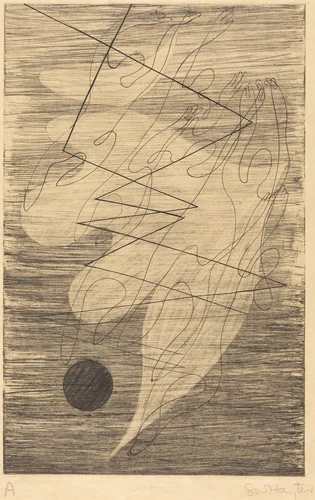
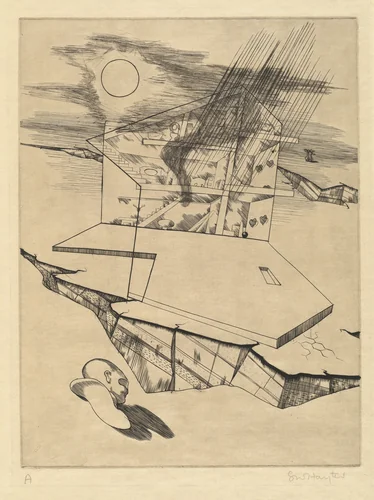
Stanley William Hayter (1901-1988) is widely recognized as one of the most significant English painters and master printmakers of the 20th century, distinguished by his pivotal role in expanding the technical and conceptual boundaries of graphic art. His lasting influence rests primarily on the establishment of the influential Atelier 17 in Paris in 1927, a studio dedicated to collaborative experimentation and technical innovation in etching and engraving.
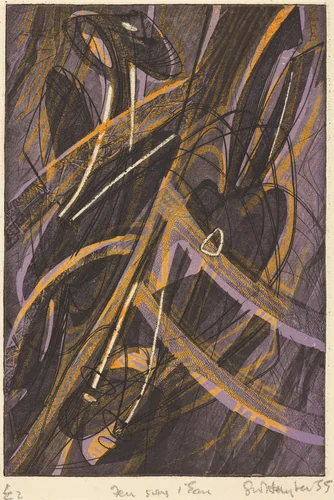
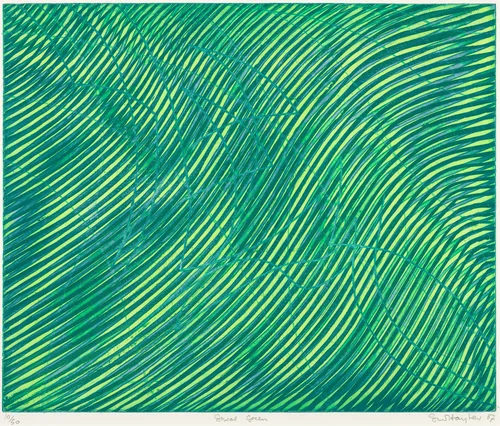
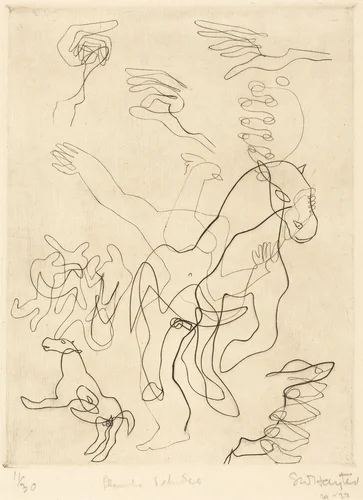
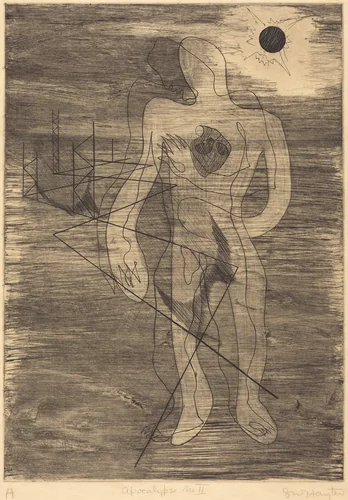
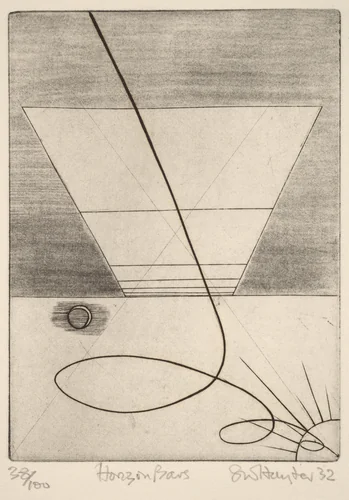
Hayter’s artistic evolution mirrored the major transitions of European and American modernism. His work in the 1930s was deeply associated with Parisian Surrealism, where he utilized techniques like automatic drawing to create densely woven, psychological imagery. Early works, such as the evocative print Feu sous l'eau (Fire Under the Water), demonstrate his initial fusion of subconscious narrative and meticulous craft. Following his move to the United States in 1940, Hayter’s visual language shifted dramatically, shedding explicit figuration for the non-representational intensity of Abstract Expressionism. During this period, he pioneered groundbreaking methods in color viscosity printing, fundamentally treating the printing plate not as a restrictive plane but as a dynamic, relief-like surface. Prints like Shoal Green reflect this mature style, prioritizing complex spatial relationships and vibrant color orchestration.
Atelier 17 served as a crucial crucible where Hayter hosted and mentored an astonishing array of international talent, ensuring the propagation of experimental techniques across the globe. The studio's attendees included giants such as Pablo Picasso, Joan Miró, Alberto Giacometti, Alexander Calder, Jackson Pollock, Mark Rothko, and Wassily Kandinsky. It is perhaps the greatest subtle achievement of the studio that Hayter successfully convinced numerous artists primarily known for painting and sculpture to take etching seriously, viewing printmaking as a primary medium for conceptual exploration.
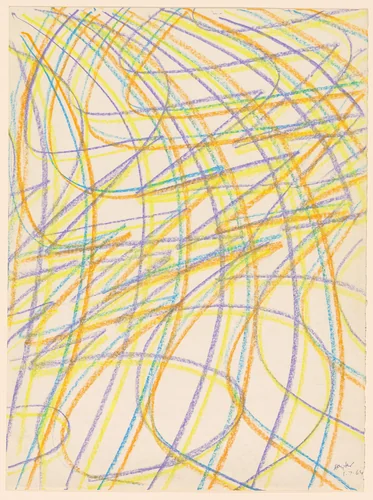
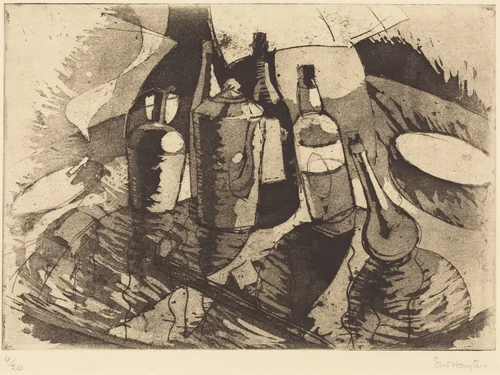
Today, Hayter’s robust artistic output, including his drawings like Bottles and numerous portfolios of high-quality prints, is held in major public collections, including the National Gallery of Art. His contributions have ensured that many Hayter Stanley William prints and early paintings are available today, providing vital reference points for contemporary artists seeking downloadable artwork and royalty-free images for study and inspiration. Hayter’s legacy continued after his death in 1988, when the Paris studio was renamed Atelier Contrepoint.
Source: Wikipedia · CC BY-SA 4.0