Spanish
The Spanish artistic tradition, spanning the critical period between 1396 and 1625, represents a powerful synthesis of history, language, and culture that profoundly shaped the visual identity of the Iberian Peninsula. This collective designation encompasses the varied output of masters, schools, and workshops whose achievements defined the transition from the late Medieval period through the Renaissance and into early Baroque influences. This extensive timeframe allowed for unparalleled experimentation across disciplines, cementing the tradition’s reputation for both deep piety and rigorous technical skill.
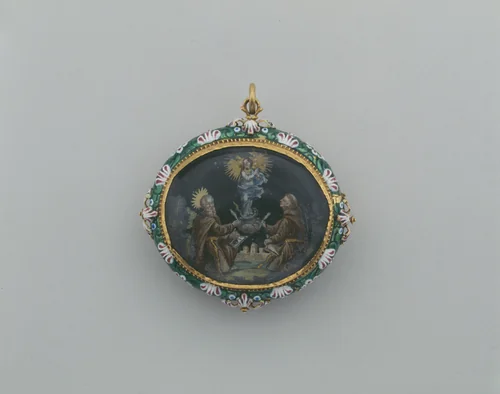
The surviving corpus showcases remarkable versatility, encompassing six significant paintings, six intricately crafted metalworks, and two rare Spanish prints. Within the realm of painting, key religious narratives dominate, often executed with a dramatic intensity characteristic of the era. Monumental works such as the Retable and Frontal of the Life of Christ and the Virgin offer comprehensive visual narratives designed for public worship, contrasting with the intimate reverence captured in pieces like Madonna and Child. The integration of art into sacred literature is equally apparent, exemplified by the detailed ornamentation found in The Assumption of the Virgin in a Historiated Initial from a Gradual.
The geographic and chronological breadth of the tradition allowed Spanish culture to absorb and reinterpret influences from across Europe and beyond, lending works a distinct, often vibrant, regional flavor. Works detailing Old Testament themes, such as Massacre of the Firstborn and Egyptian Darkness, alongside singular figure studies like Warrior Saint, demonstrate the evolving approach to rendering scale and emotion over the two-hundred-year span.
The historical weight of these artistic achievements is underscored by their sustained inclusion in premier international collections, including the Art Institute of Chicago, the National Gallery of Art, and the Metropolitan Museum of Art. It is perhaps the sheer diversity of media, encompassing everything from gilded devotional metalworks to large-scale narrative Spanish paintings, that makes the "Spanish" tradition such a rich area of study. Today, many of these historically important works are accessible as downloadable artwork, ensuring that their legacy remains vibrant. Researchers and enthusiasts can often find these masterworks available as museum-quality free art prints, ensuring that the critical visual language of this seminal era continues to inform contemporary understanding.
Source: Wikipedia · CC BY-SA 4.0