Southern Tibet
The body of work attributed to the designation Southern Tibet comprises a small but highly significant corpus of 14th-century Tibetan Buddhist drawings and paintings. This geographical designation, used predominantly by the People's Republic of China (PRC), refers to territory south of the McMahon Line, currently administered by India as parts of Arunachal Pradesh. This context is essential, as the highly disputed sovereignty over the region frames the designation itself as a matter of ongoing political debate. Scholars, including Hsiao-ting Lin, note that both the British and the Chinese historical claims to sovereignty over this area can be deemed “largely imaginary,” reflected only in official maps and political propaganda.
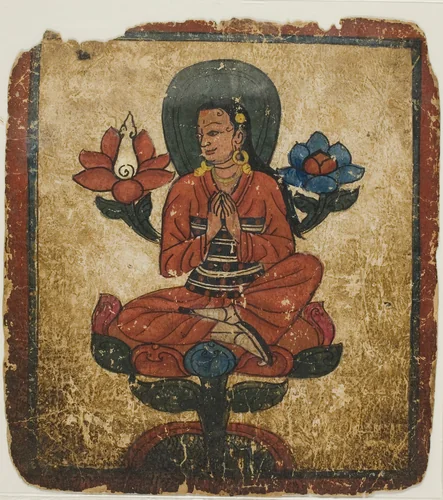
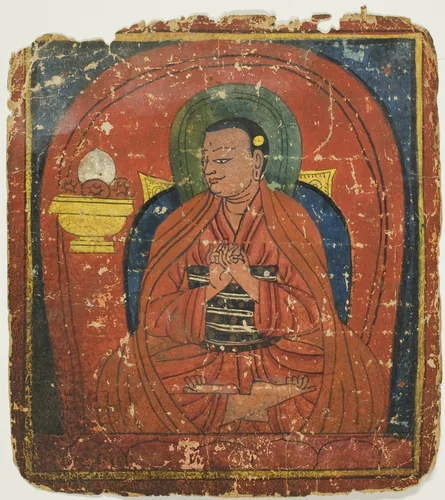
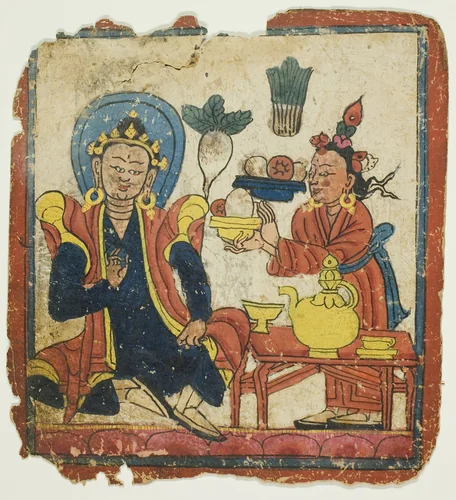
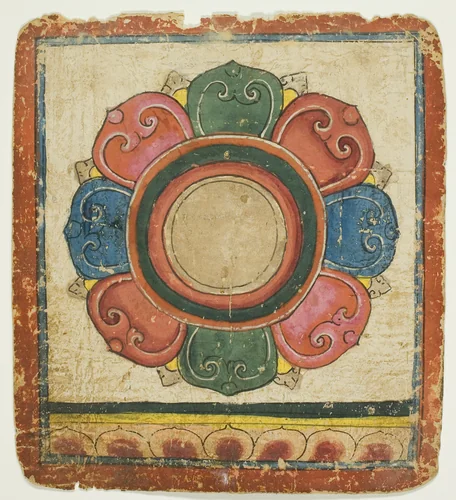
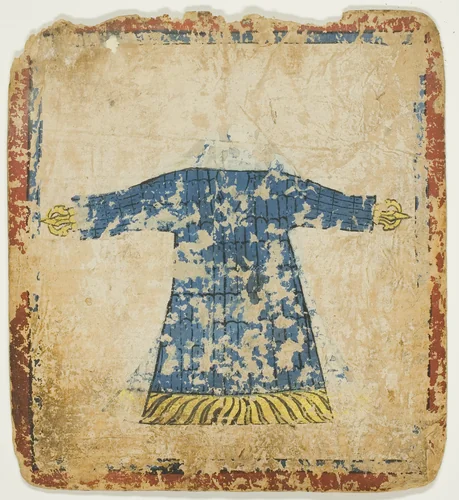
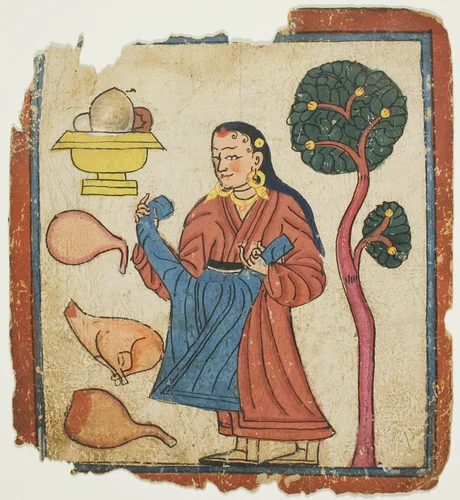
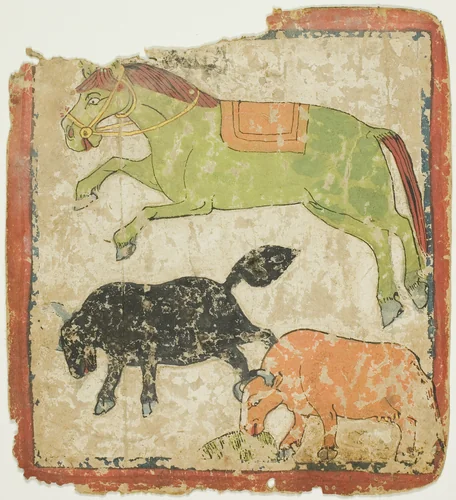
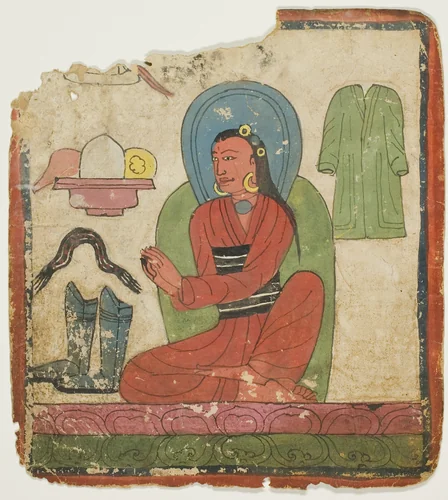
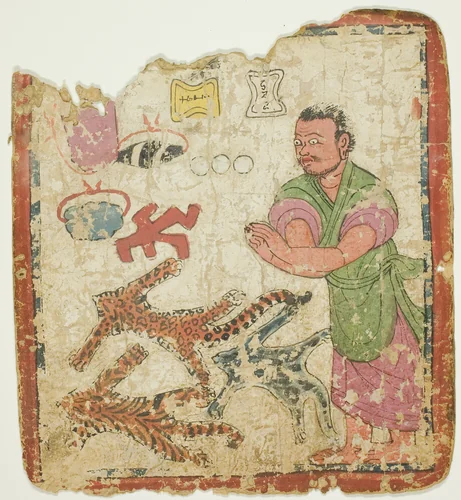
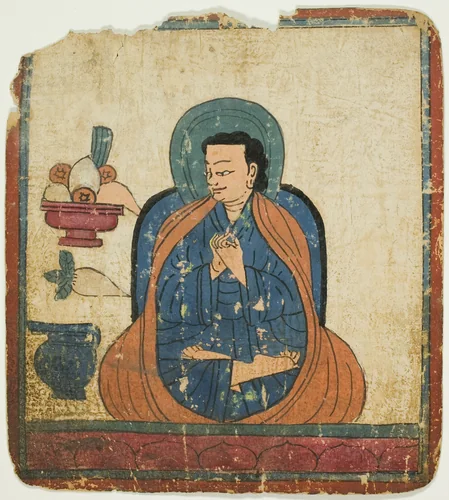
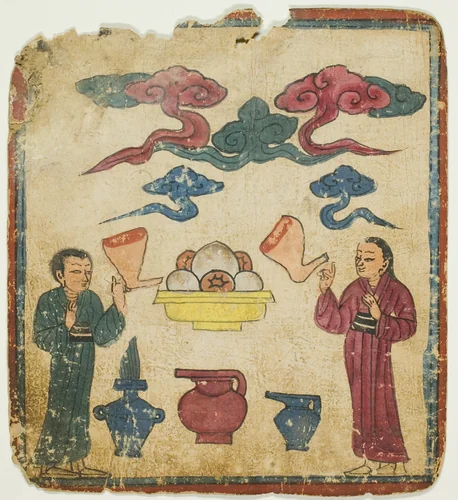
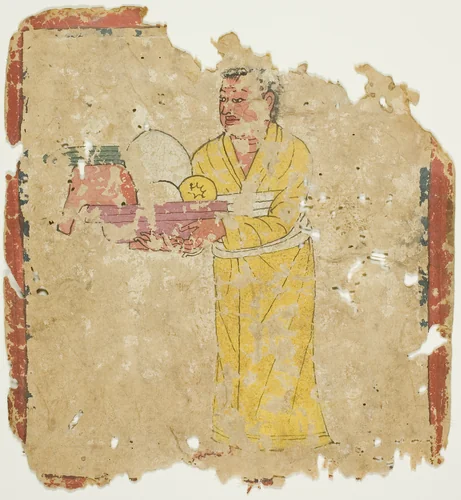
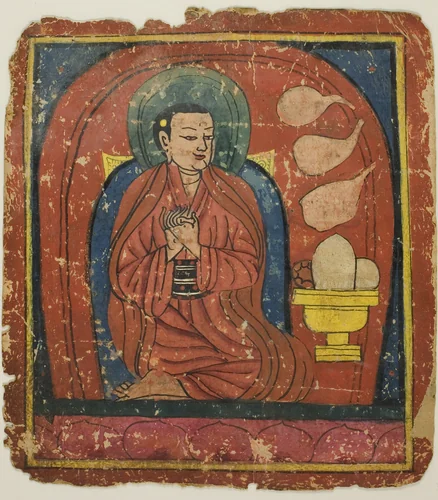
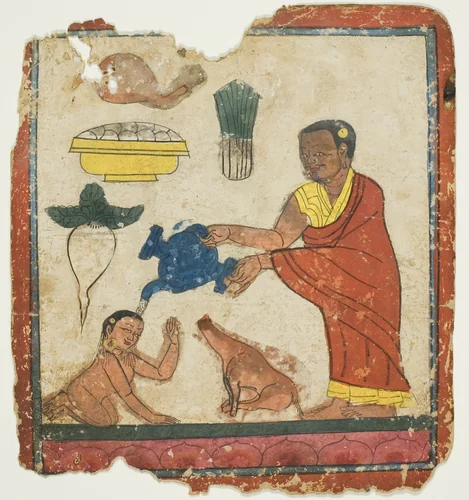
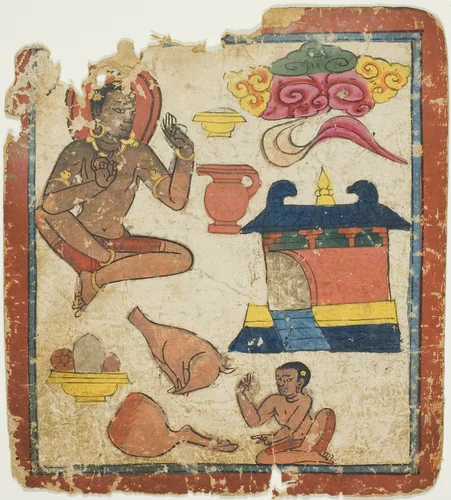
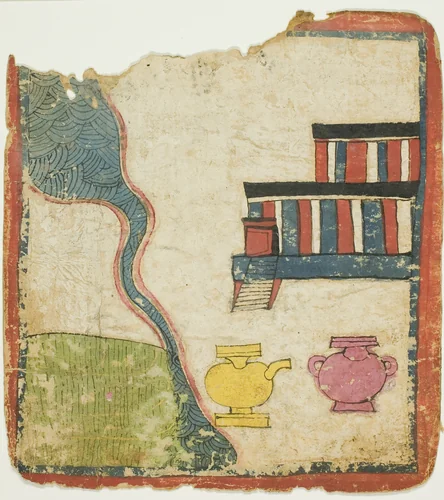
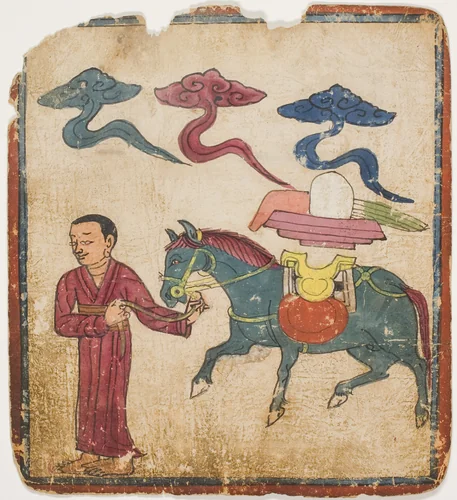
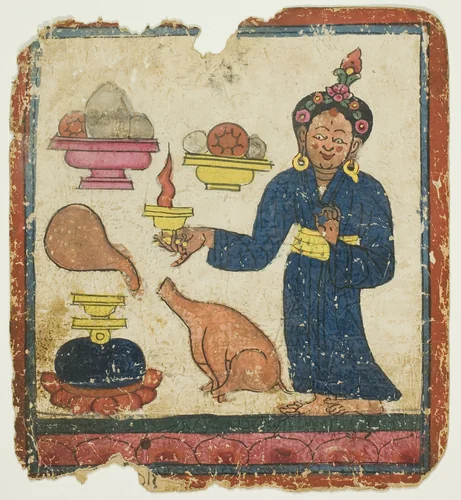
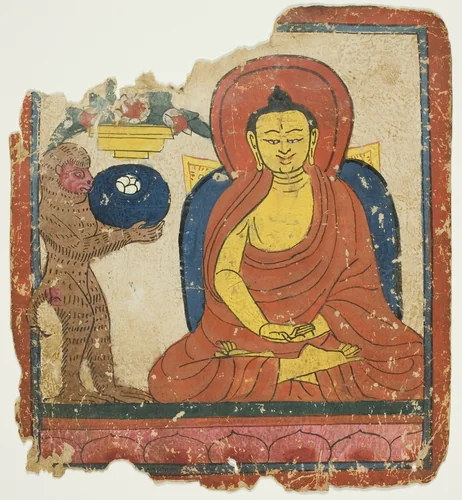
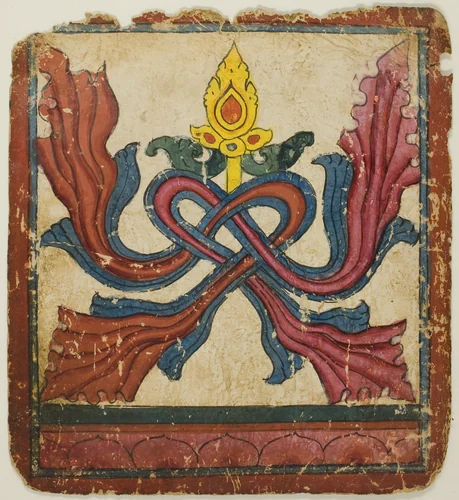
The brief but focused active period, spanning 1299 to 1301, yielded fifteen known works: thirteen meticulous drawings and two distinctive paintings. These pieces are critical examples of early Tibetan iconography, primarily consisting of Tsakali, or initiation cards. These miniature, sacred images were used by Tantric Buddhist masters during complex instructional and ritual practices. The surviving works demonstrate sophisticated draftsmanship and precise iconography, skills necessary for the creation of such highly specialized devotional objects. Key examples include Figure Seated on Lotus, from a Set of Initiation Cards (Tsakali), Image from a Set of Initiation Cards (Tsakali), and Armor Shirt, from a Set of Initiation Cards (Tsakali).
These devotional Southern Tibet paintings and drawings represent a crucial link in the transmission of esoteric Buddhist practices during the late 13th and early 14th centuries. Their inclusion in major Western institutions, such as the Art Institute of Chicago, ensures these fragile, museum-quality works are preserved and accessible. Due to their cultural significance, many institutions now offer downloadable artwork or access to high-quality prints for scholarly study.
The fact that a collection of devotional, medieval miniature paintings is intrinsically tied to a complex modern geopolitical claim serves as a poignant reminder that nomenclature, whether artistic or cartographic, is rarely fixed. While the territory itself was historically recognized by Tibet as belonging to British India under the McMahon Line Agreement, the artistic legacy provides a clear and enduring record of spiritual devotion created centuries before the contemporary political lines were drawn. This enduring dispute over the region’s naming, which the Indian government in 2025 characterized as “vain and preposterous” after the PRC renamed local places, casts a unique contemporary political shadow over this small, dedicated historical output.