South German
The designation South German refers to an unidentified master or workshop tradition active in Central Europe over an extended period, spanning 1445 to 1575. This designation represents a significant output of late medieval and early Renaissance artistic production associated with the region.
The known body of work reveals proficiency across varied mediums, including painting and decorative metalwork. Six pieces attributed to the South German school are represented in museum collections, confirming the historical significance and breadth of the tradition's output. These works are currently held by institutions such as the Art Institute of Chicago.
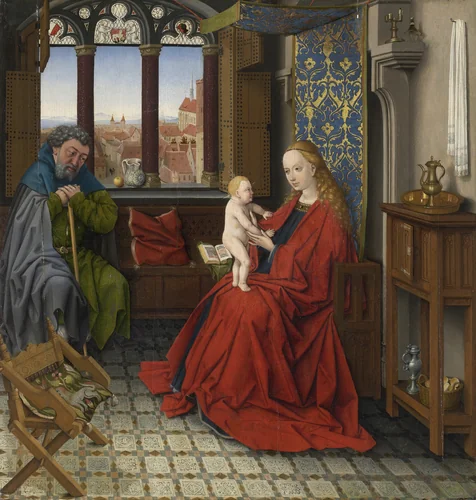
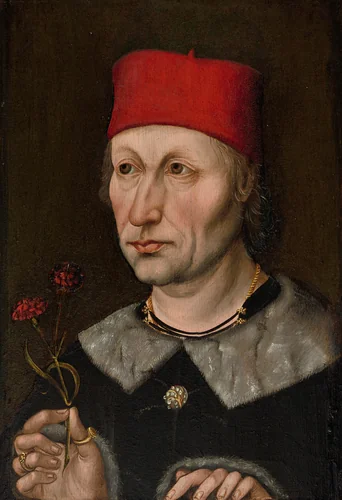
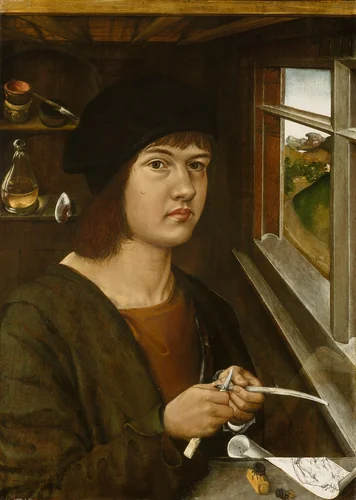
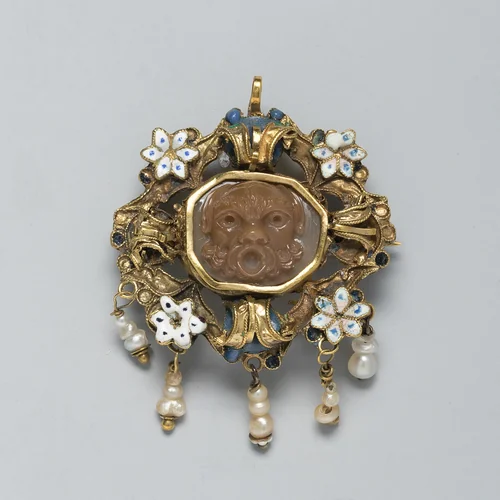
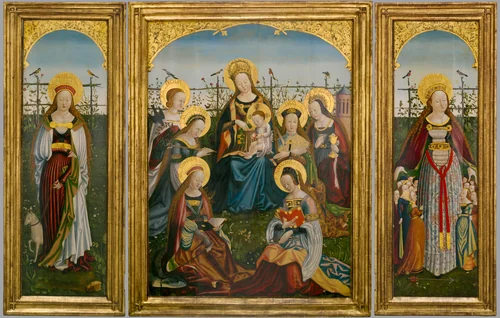
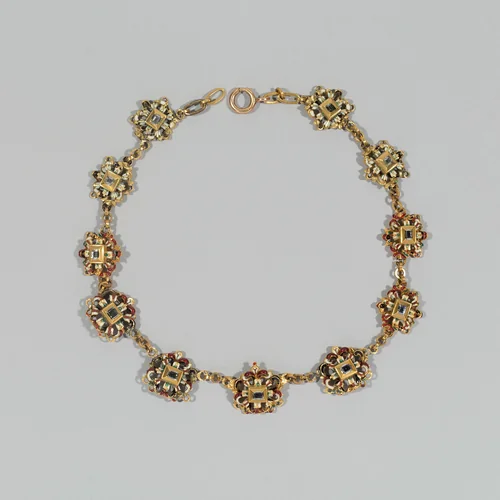
The documented inventory includes three major South German paintings. These range from devotional pieces, such as the detailed Triptych of the Virgin and Child with Saints and the panel Holy Family, to accomplished examples of portraiture, including Portrait of a Man in a Red Cap and Portrait of a Young Artist. Beyond panel painting, the artist or workshop demonstrated skill in crafting refined decorative items; two examples of metalwork are documented, including the intricate Dress Ornament. Today, select examples of this historical oeuvre are available in the public domain, allowing for their reproduction as high-quality prints for study and display.
Source: Wikipedia · CC BY-SA 4.0