Sophie Taeuber-Arp
Sophie Henriette Gertrud Taeuber-Arp (1889-1943) stands as one of the most rigorously multidisciplinary artists of the twentieth century. A Swiss native, her practice transcended traditional disciplinary boundaries, encompassing painting, sculpture, textile design, interior design, architecture, and performance. Her profound significance rests on her ability to integrate geometric abstraction seamlessly across functional and fine art contexts.
Her foundational contributions to non-objective art began during World War I in Zurich, where she was a pivotal member of the Cabaret Voltaire and a core participant in the Dada movement. Rather than embracing the aggressively confrontational methods often associated with Dada, Taeuber-Arp channeled its revolutionary spirit into a visual language characterized by playful order, rhythm, and structural complexity. She systematically explored the interaction of simple forms and pure color, establishing a clear visual lineage that led directly to later constructivist and concrete art.
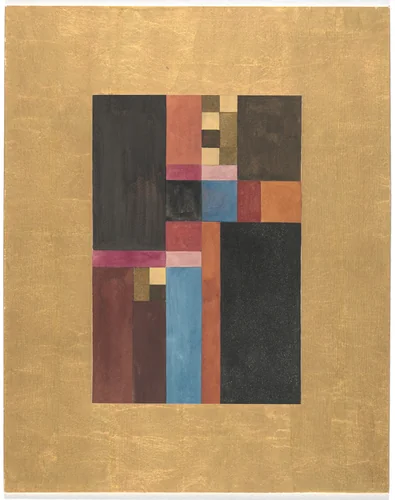
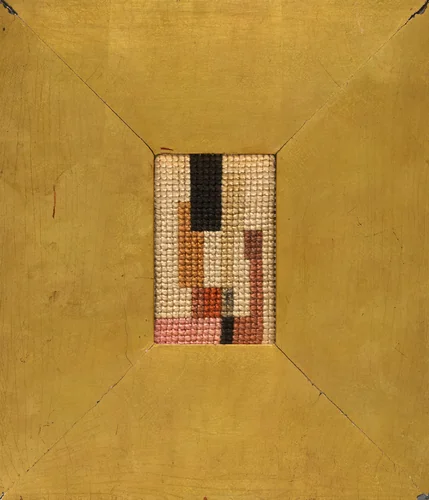
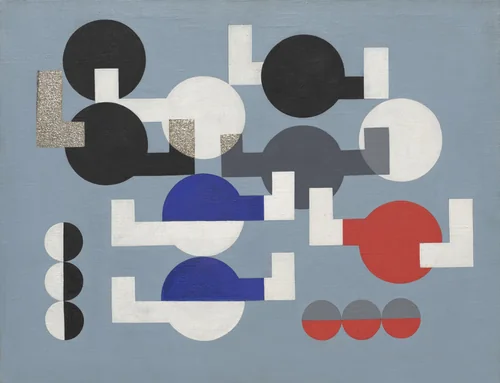
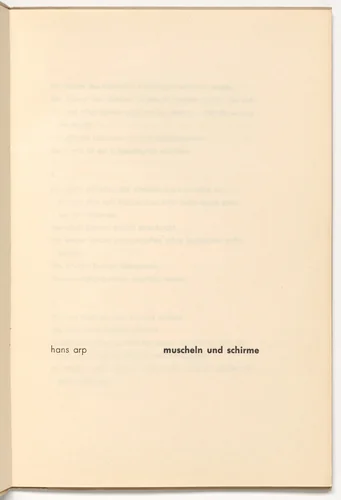
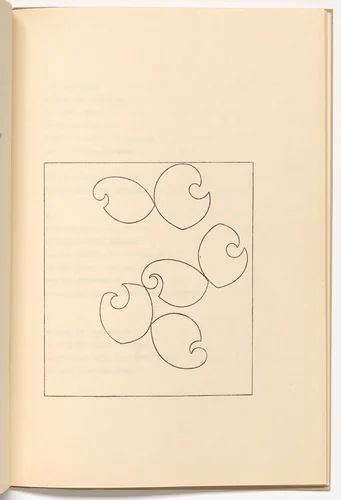
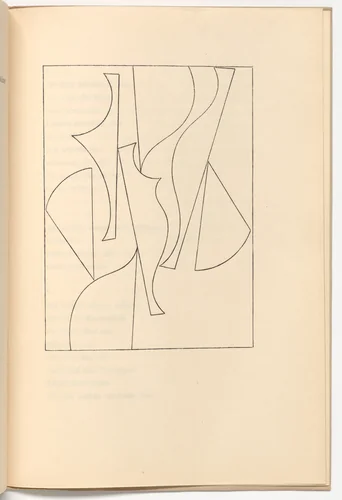
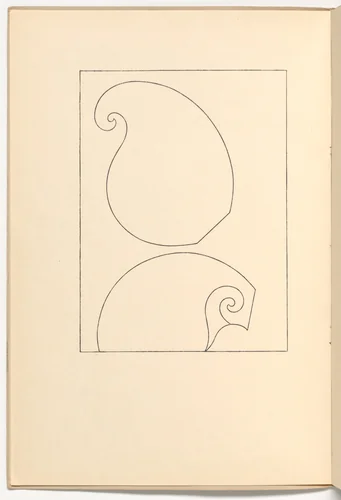
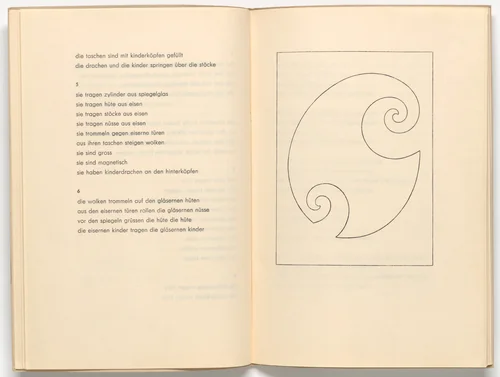
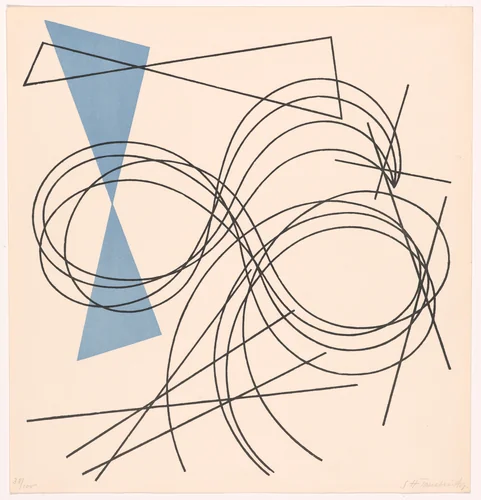
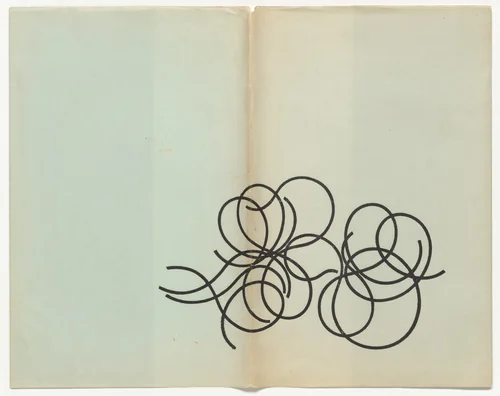
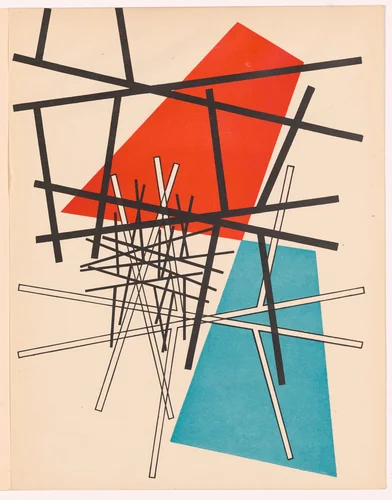
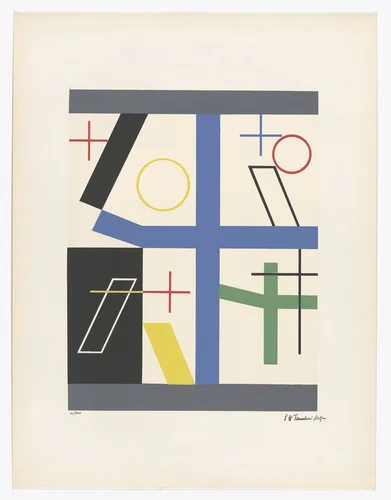
Taeuber-Arp viewed textiles and design, historically relegated to ‘craft,’ as equal partners to painting. She utilized weaving, embroidery, and beading to create innovative abstract reliefs and three-dimensional works, such as the compelling structure of Composition and the precision of Untitled. Her work reveals an unwavering commitment to the systematic organization of form, perhaps best demonstrated in the elegant balance of Vertical, Horizontal, Square, Rectangular. Beyond canvas and cloth, her output included designs for functional objects, furnishings, and a series of eight illustrated books, including Muscheln und schirme (Shells and Umbrellas). It is often observed that Taeuber-Arp was one of the rare modernists who truly achieved genuine mastery across both functional design and pure, high-art abstraction.
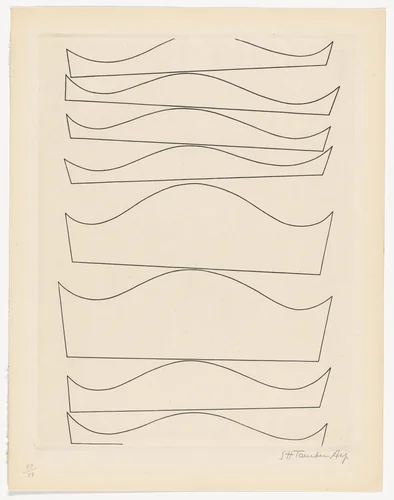
Her structured, elegant vision continues to command critical attention, ensuring her position in major global institutions, including the Museum of Modern Art, which holds examples of her drawing and printmaking, such as Plate (folio 43) from 23 Gravures. Serious collectors seek out Sophie Taeuber-Arp paintings and prints, recognizing their historical importance in the development of geometric modernism. Furthermore, as key conceptual works transition into the public domain, museum-quality, high-quality prints and downloadable artwork are increasingly accessible, affirming her enduring influence on design and non-representational art globally.
Source: Wikipedia · CC BY-SA 4.0