Song Xu
Song Xu, a master of Chinese landscape painting during the late Ming dynasty, flourished in the final decades of the sixteenth century, with his active period documented around 1583. Known during his lifetime by the courtesy name Chuyang and the pen name Shimen, Song Xu earned acclaim for his detailed compositions that emphasized atmospheric effects and the monumental scale of the natural world.
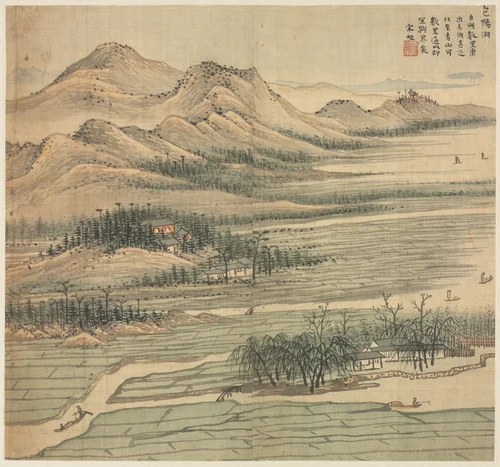
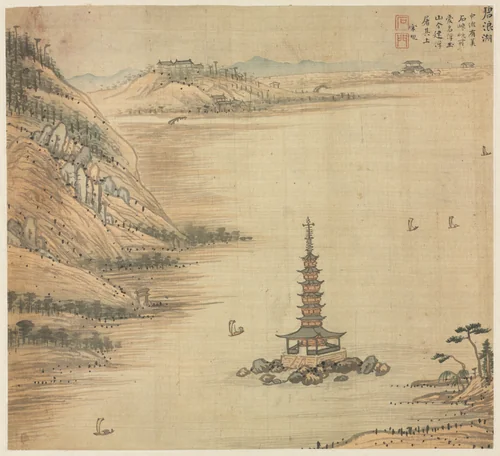
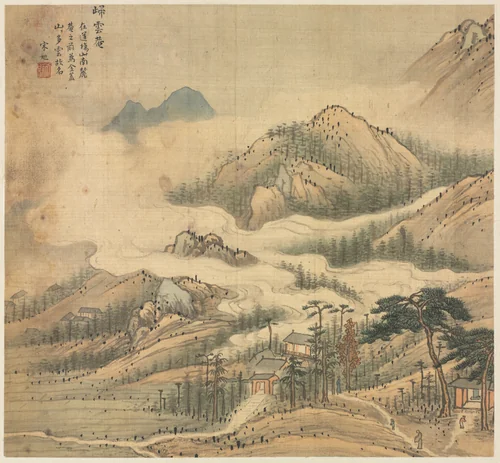
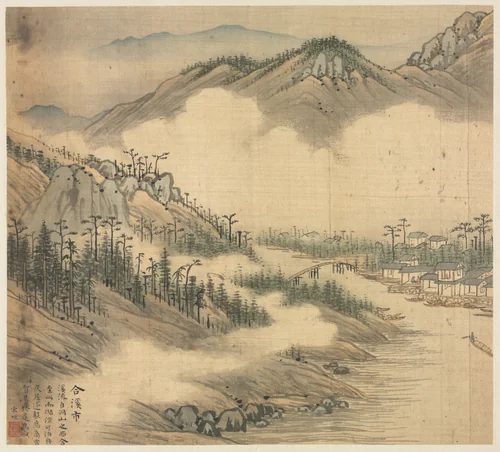
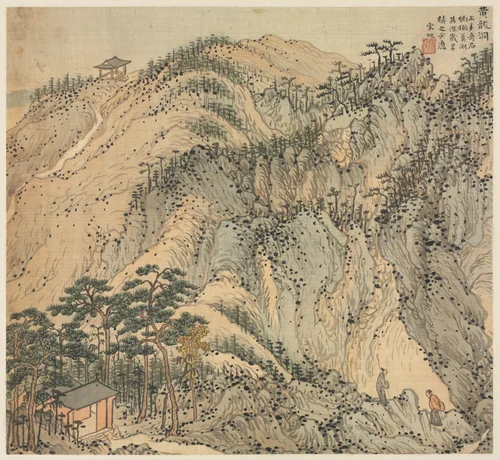
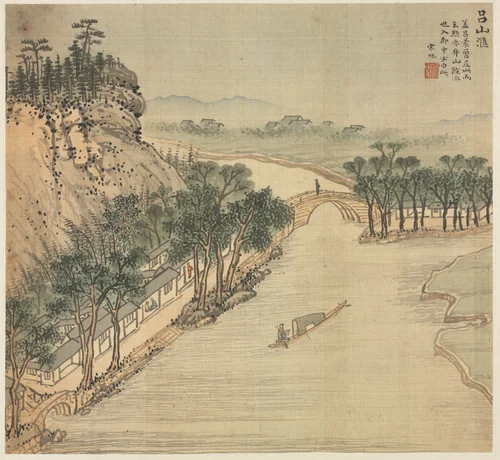
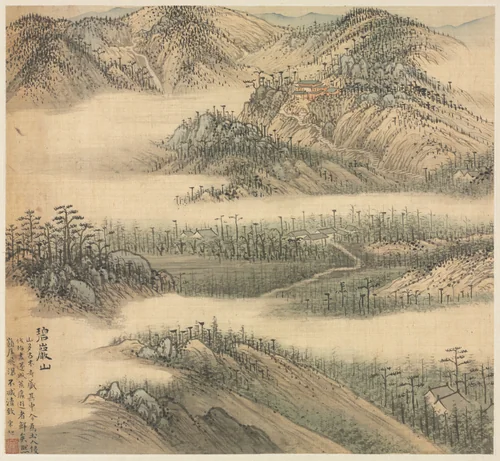
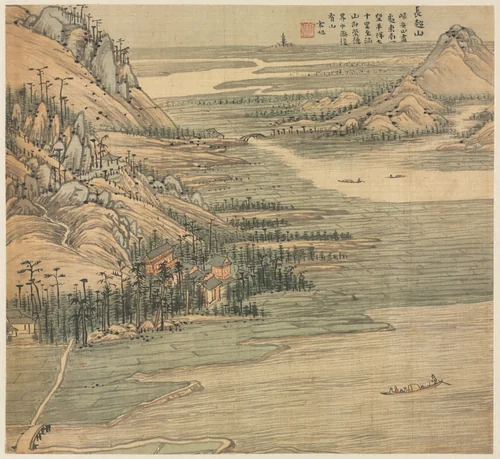
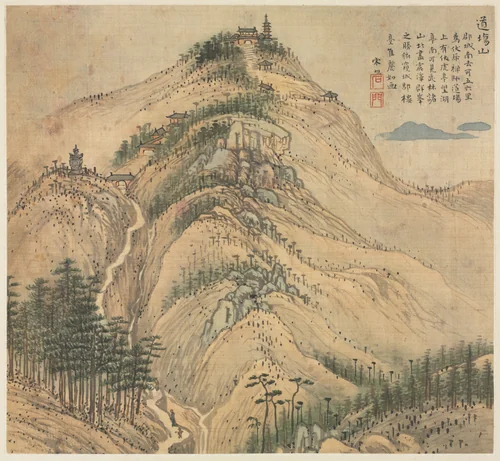
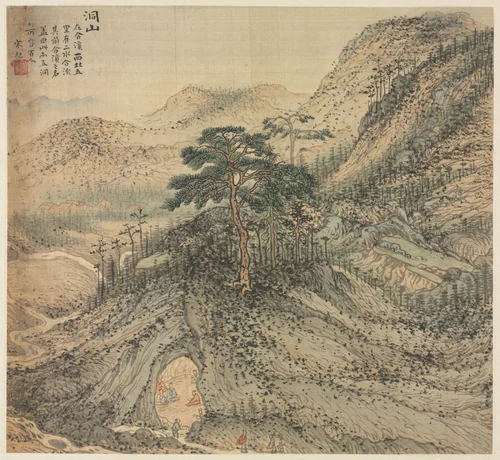
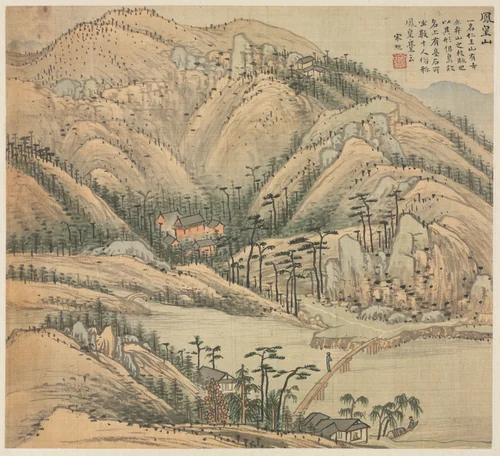
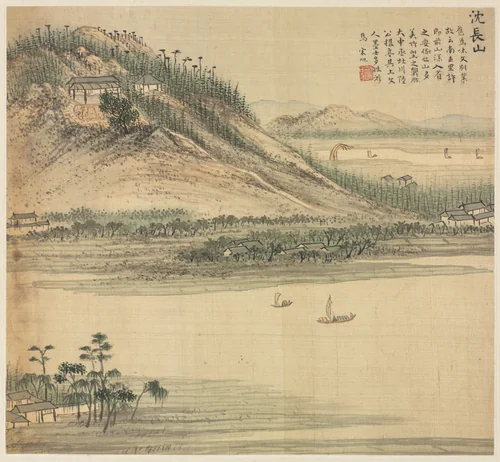
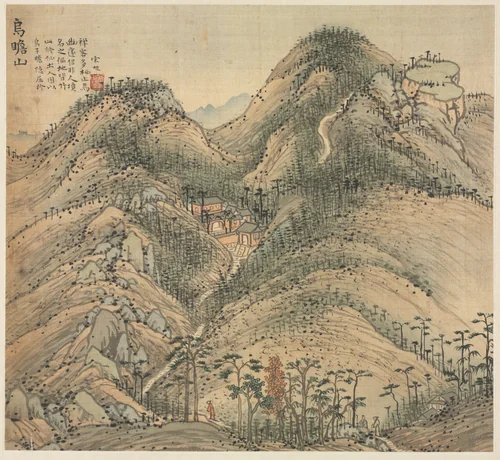
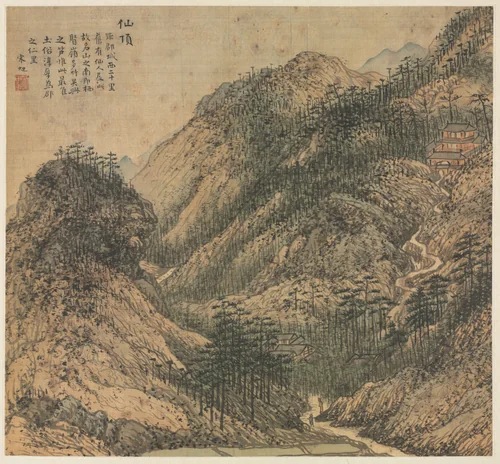
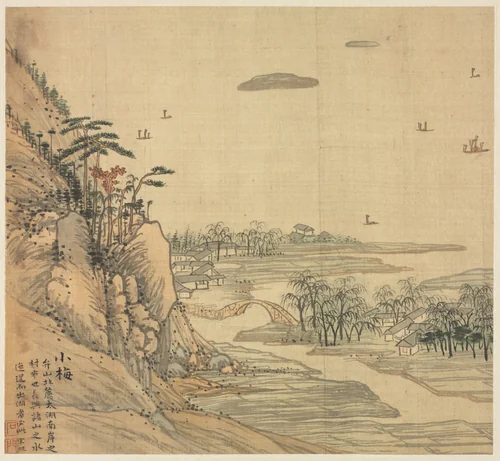
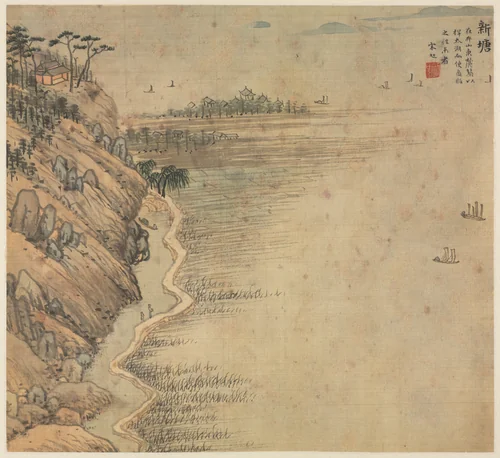
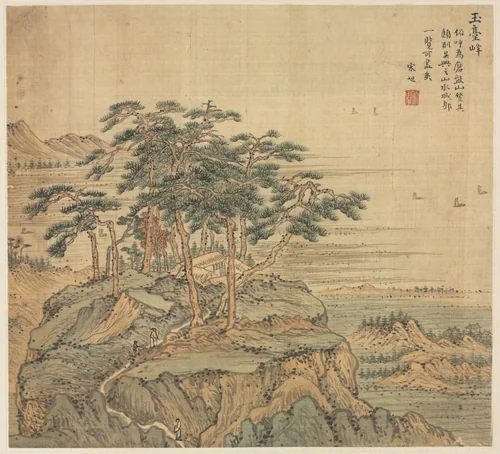
The precise location of his birth remains a point of scholarly discussion; while some historical sources trace his origins to Jixing in Zhejiang province, others assert he was a native of nearby Huzhou. This geographical ambiguity is, perhaps, subtly resolved within his artistic output. His profound connection to the latter region is evident in significant works such as the meticulously rendered multi-scroll set, Eighteen Views of Huzhou, which stands as a crucial example of regional topographical painting from the era. These Song Xu paintings, alongside works like Baoyang Lake and Bilang Lake, showcase his ability to capture specific natural vistas with refined brushwork.
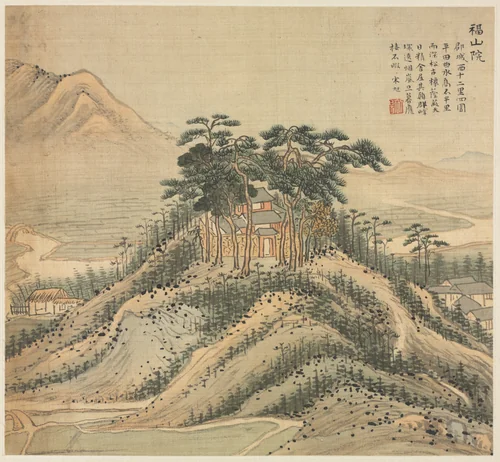
Later in his life, Song Xu underwent a notable transformation, entering the Buddhist priesthood and adopting several religious names. This spiritual commitment, a frequent occurrence among scholarly artists of the period, informed the meditative quality often present in his later works, such as Fushan Monastery and Guiyun Shrine. His transition from academic painter to spiritual practitioner adds an intriguing layer of interpretation to his serene, often sparsely populated landscapes.
Today, Song Xu’s legacy is preserved in major institutional collections, most notably at the Cleveland Museum of Art, which holds examples essential to the study of late Ming painting. As scholarly interest in historical Chinese art grows, the preservation and study of his oeuvre continue to expand. Many key pieces are now digitized, making the detailed study of his works accessible globally, and providing the foundation for museum-quality high-quality prints for contemporary audiences and researchers.