Sisto Badalocchio
Sisto Badalocchio Rosa (1561-1610) holds a significant, if sometimes overlooked, position among the foundational masters of the Italian Baroque. Active primarily between the late sixteenth and early seventeenth centuries, Badalocchio was rooted in the dynamic artistic environment of the Bolognese School. His output demonstrates a critical versatility, rooted in dual mastery: he was both a painter of merit and a specialist engraver. This latter skill proved invaluable, as he transformed and standardized the major compositions of his peers into reproducible forms, ensuring their widespread dissemination throughout Europe. His works, though small in number, are now preserved in major international repositories, including the Metropolitan Museum of Art, the Rijksmuseum, and the Art Institute of Chicago, confirming their museum-quality status.
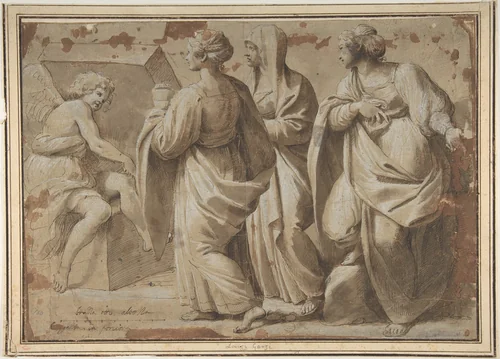
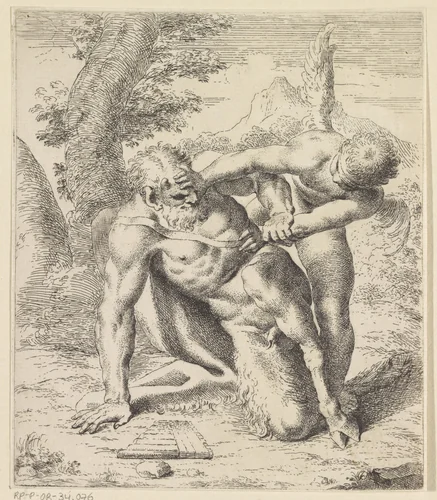
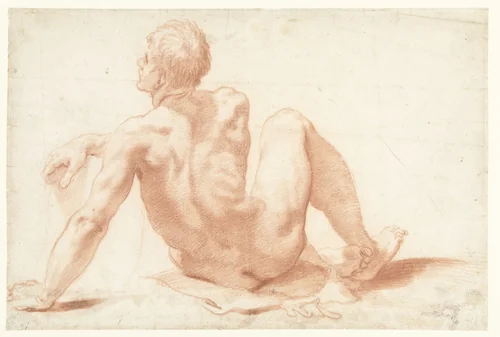
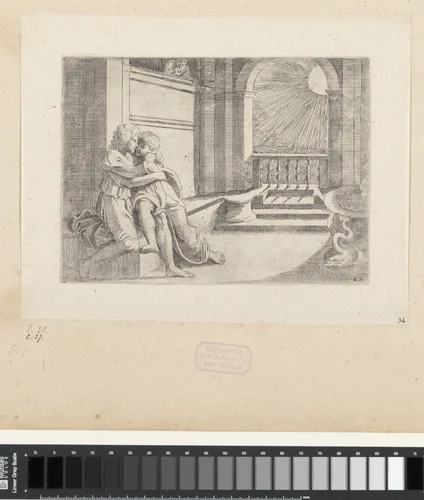
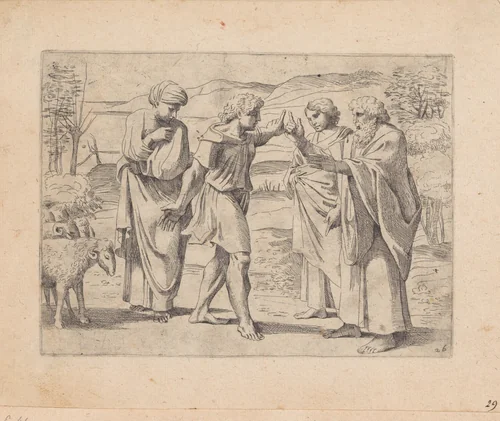
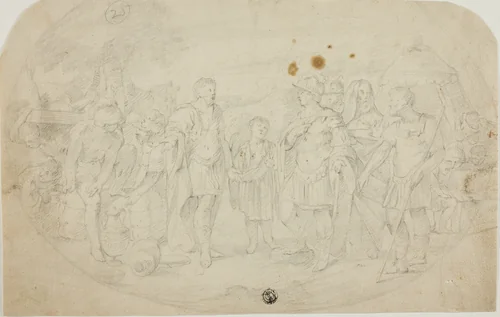
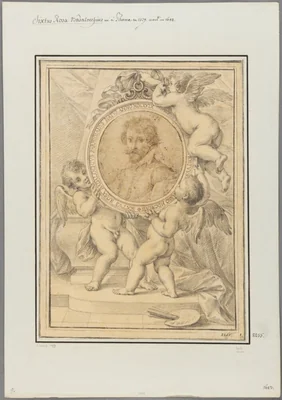
Badalocchio’s technical precision in etching allowed him to handle both monumental subjects and intimate classical vignettes with equal finesse. His graphic works often showcase a dramatic manipulation of light and shadow characteristic of the developing Baroque sensibility. Among his surviving prints and drawings are powerful religious narratives, such as The Holy Women at the Sepulchre, and delicate mythological treatments like Pan en Amor.
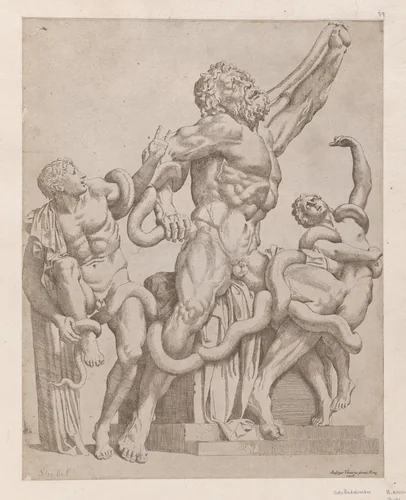
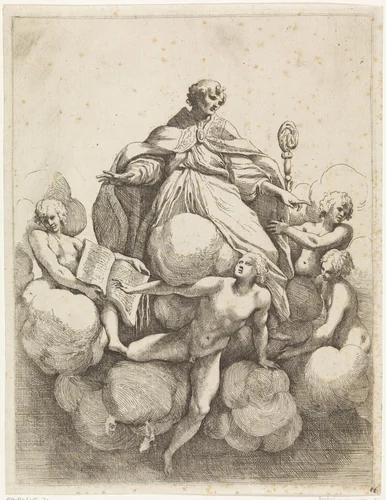
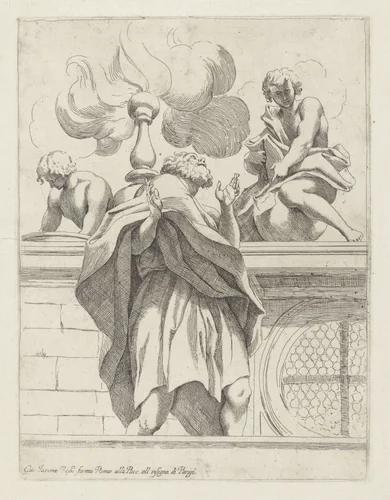
One of his most recognizable early efforts is the impressive Laocoon, a dramatic interpretation included in the seminal print collection Speculum Romanae Magnificentiae. This piece demonstrates his exceptional skill in translating complex, three-dimensional Hellenistic sculpture into compelling two-dimensional imagery. Furthermore, Badalocchio had a distinct knack for depicting figures mid-ascent or transformation, as seen in the vertical thrust of Bisschop ten hemel stijgend en omringd door vier engelen and Profeet met twee engelen. It is almost as if he was intent on capturing the moment just before the final, dramatic revelation of the miraculous.
Today, the enduring interest in Badalocchio's precise draftsmanship ensures his images are highly sought after by scholars and collectors. Thanks to cultural institutions making their extensive holdings available, many of his striking Sisto Badalocchio prints are now within the public domain, offering downloadable artwork and high-quality prints for study and appreciation across the globe.
Source: Wikipedia · CC BY-SA 4.0