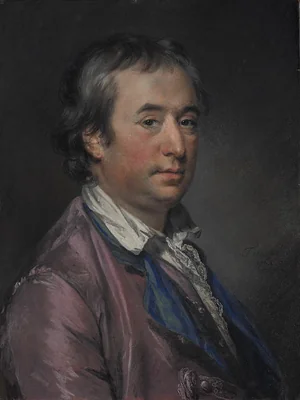
Sir William Chambers
Sir William Chambers (1723-1796) stands as a foundational figure in the professionalization of British architecture, defining the aesthetic landscape of the late Georgian period. A Swedish-British architect, his influence transcended individual projects; Chambers was critically involved in the establishment of formal arts training, serving as a key founder member of the Royal Academy in 1768. This commitment to institutional rigor paralleled the structured classicism that characterized his own prolific output.
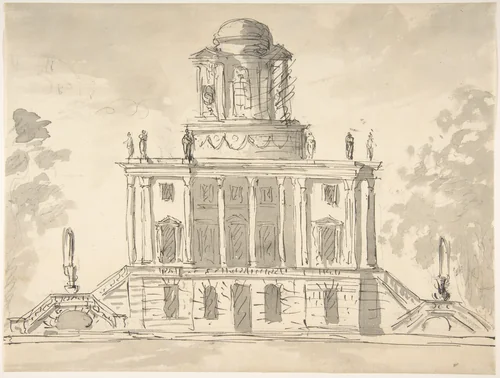
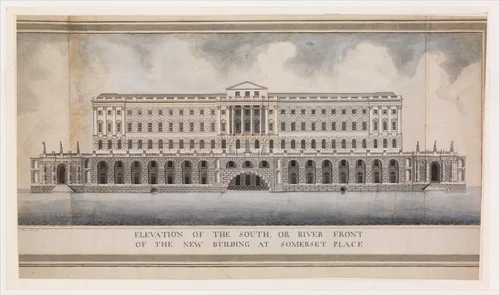
Chambers’ work is synonymous with the refined Neoclassical style that dominated 18th-century London. His undisputed masterpiece, Somerset House, exemplifies his capacity for monumental design, functioning as an imposing civic statement that shaped the identity of the Thames embankment. Yet his influence was far more wide-ranging than strict classicism suggests. He demonstrated a remarkable stylistic fluidity, evidenced by his creation of the Gold State Coach, a spectacular exercise in ceremonial Baroque sculpture, and the highly distinctive Chinese-inspired pagoda erected within the Royal Botanic Gardens at Kew.
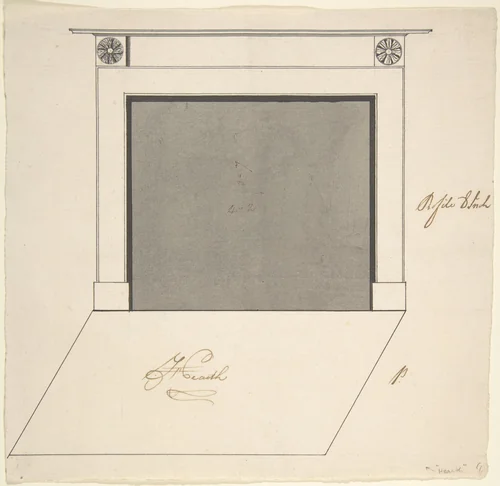
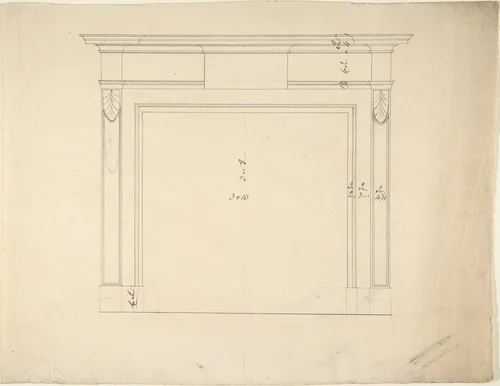
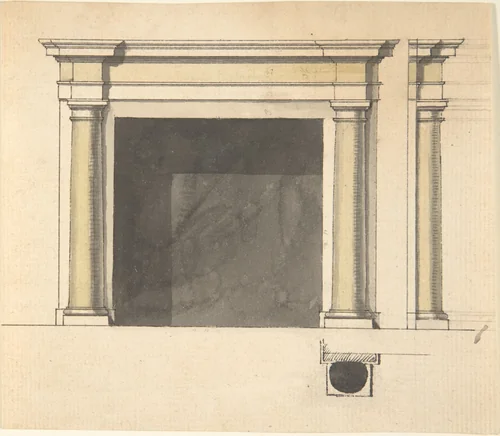
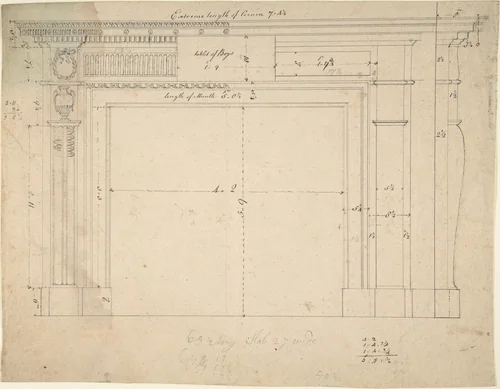
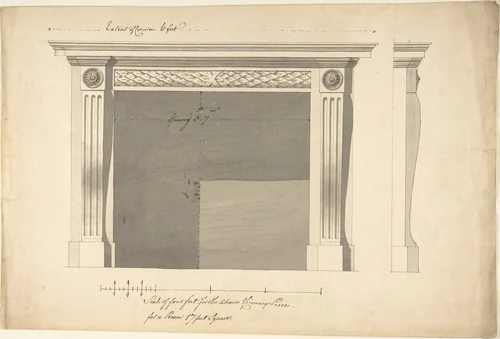
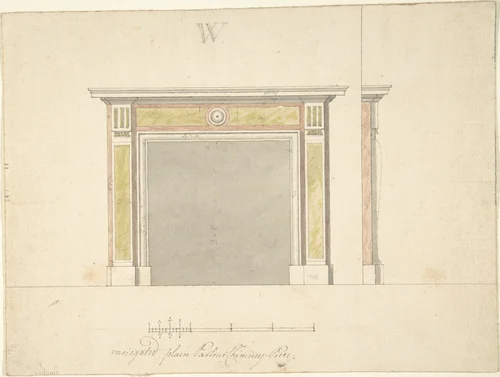
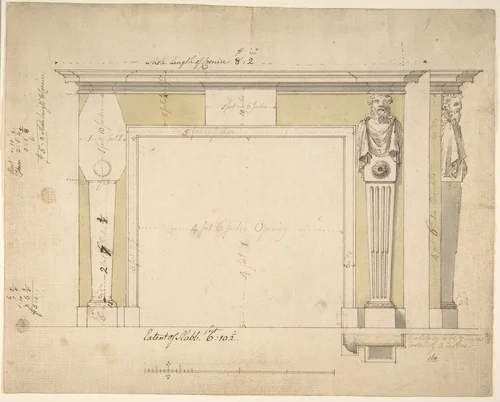
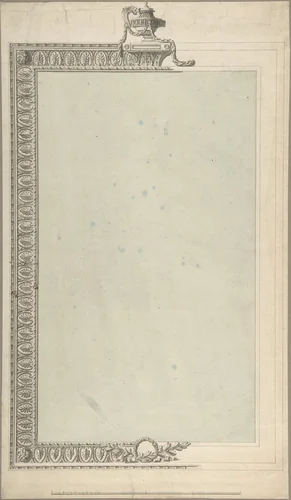
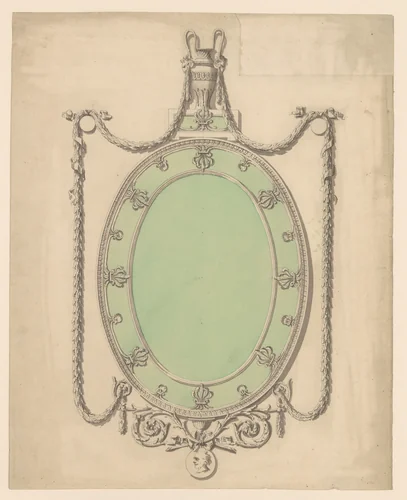
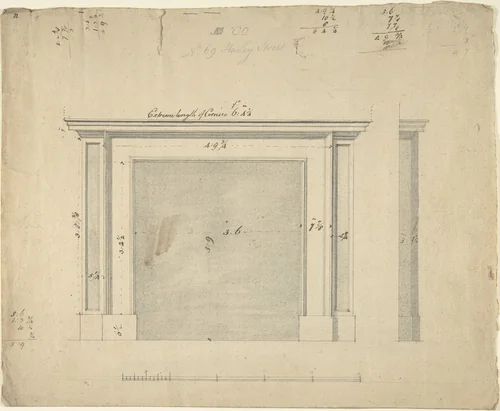
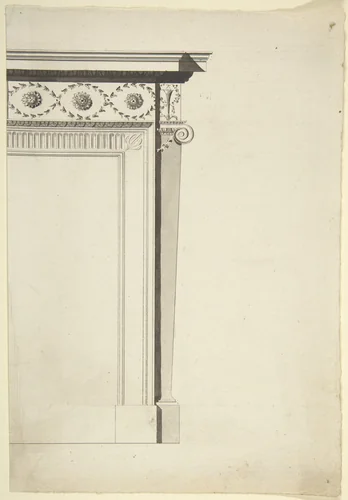
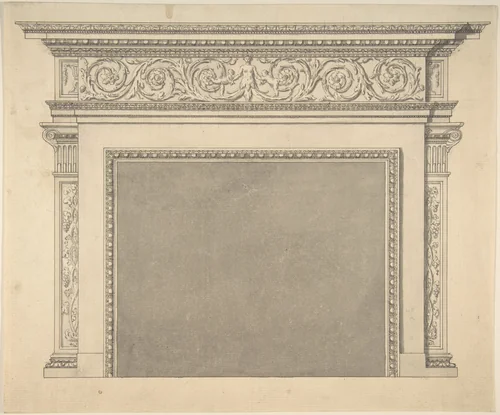
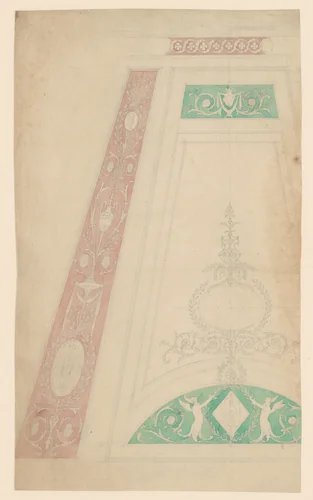
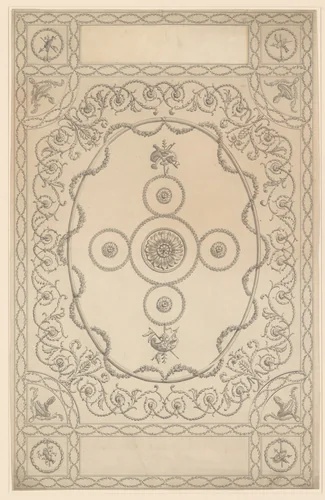
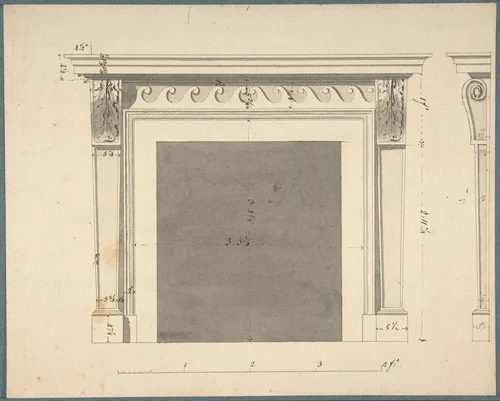
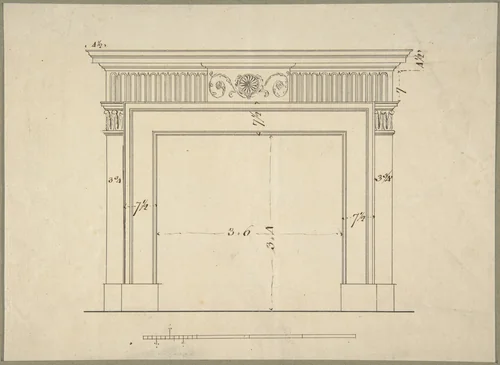
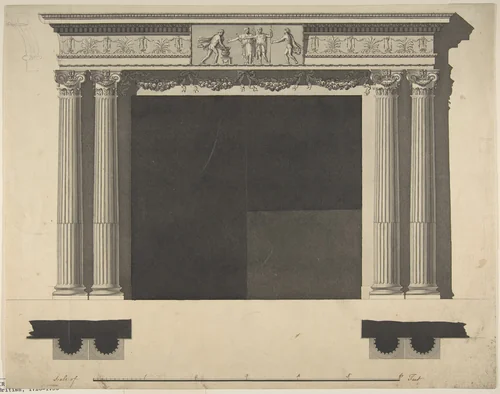
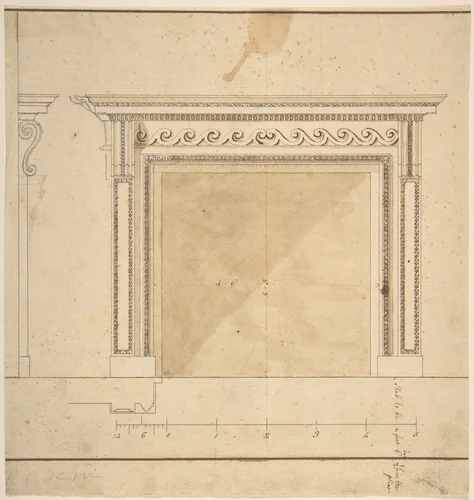
While recognized for large-scale construction, Chambers was equally rigorous in domestic detailing. A substantial portfolio of his work exists in drawing form, including the 15 original designs held by the Metropolitan Museum of Art. These include detailed technical studies, such as the repeated iterations titled Design for a Chimneypiece. These drawings were vital instruments of communication, translating grand architectural philosophy into functional, fashionable interior elements. Many of these detailed records, revealing the exacting standards of Georgian taste, are now widely considered public domain material, providing excellent sources for high-quality prints and academic study.
Chambers’ legacy resides not only in the structures he designed but in the definitive standards he set, which he meticulously documented in works like A Treatise on Civil Architecture. For contemporary enthusiasts and researchers, the precision and elegance of these designs make them highly valued. Today, many of these museum-quality documents are available as downloadable artwork. It is perhaps one of the great historical ironies that an architect who gave London its most solemn classical institution was also responsible for its most theatrical and elaborate parade vehicle.
Source: Wikipedia · CC BY-SA 4.0