Sir Thomas Lawrence
Sir Thomas Lawrence (1769-1830) was the defining painter of British portraiture during the late Georgian and Regency eras, serving as the fourth President of the Royal Academy. His reputation rested on an almost unparalleled ability to infuse traditional grandeur with a sense of emotional spontaneity and theatrical vitality.
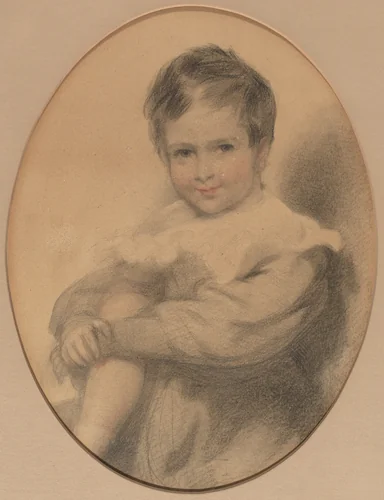
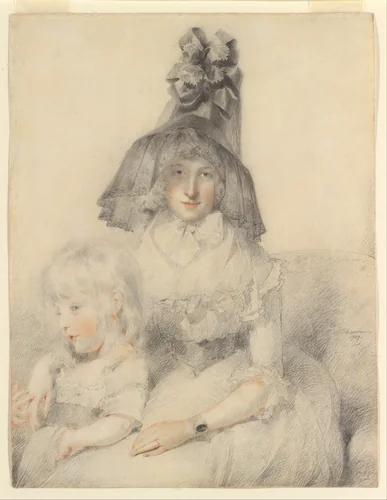
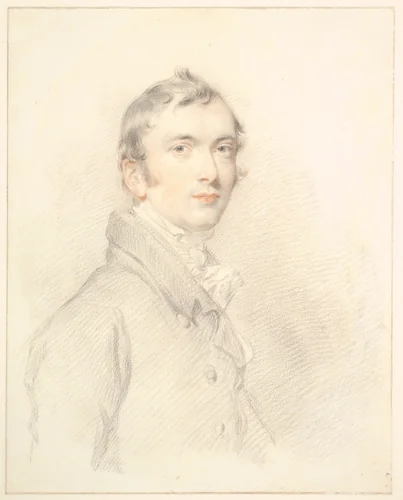
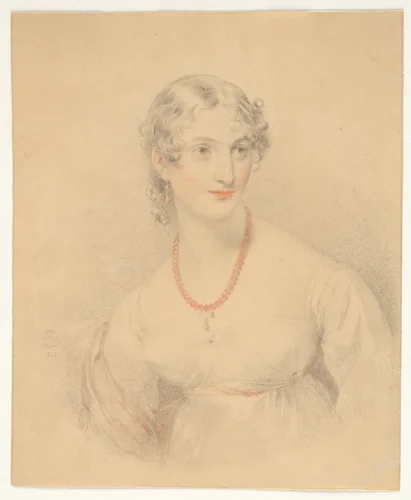
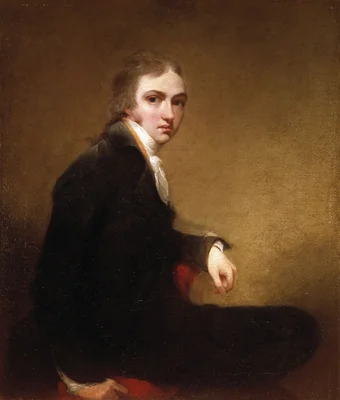
A child prodigy of considerable renown, Lawrence’s early career provided the necessary foundation for his later societal dominance. Born in Bristol, he began sketching in Devizes, where his father served as the innkeeper of the Bear Hotel. The artist’s facility for capturing likenesses quickly became an economic necessity. By the age of ten, after the family moved to Bath, Lawrence was already working professionally, supporting his relatives through expertly rendered pastel portraits. This trajectory—from the provincial inn to the drawing rooms of high society—speaks to a singular and relentless artistic drive.
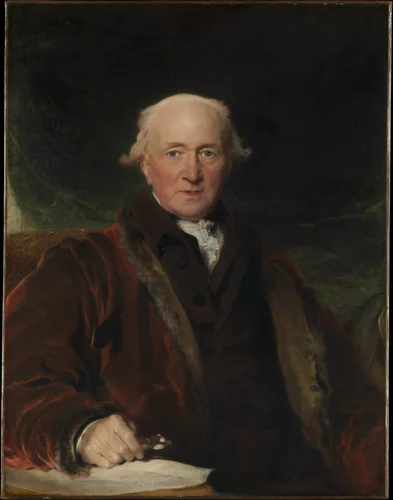
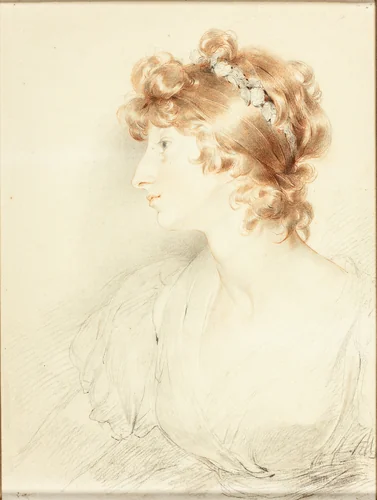
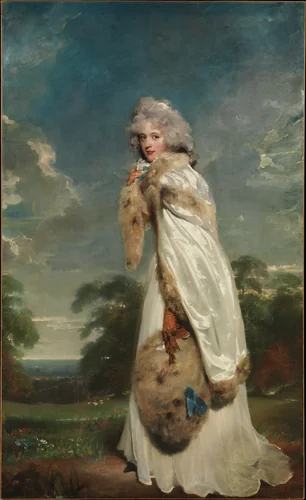
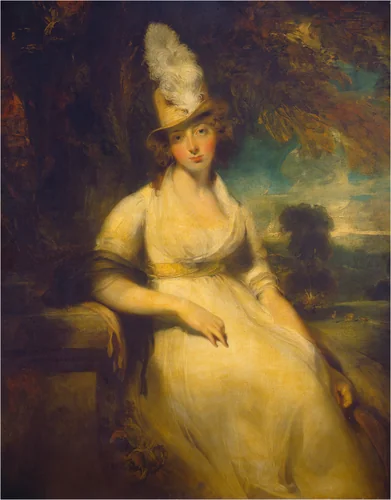
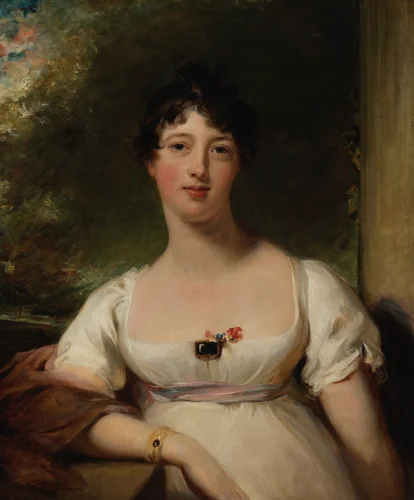
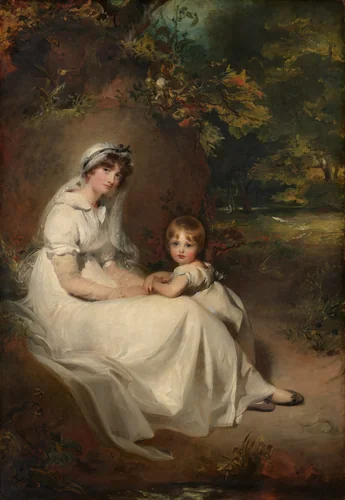
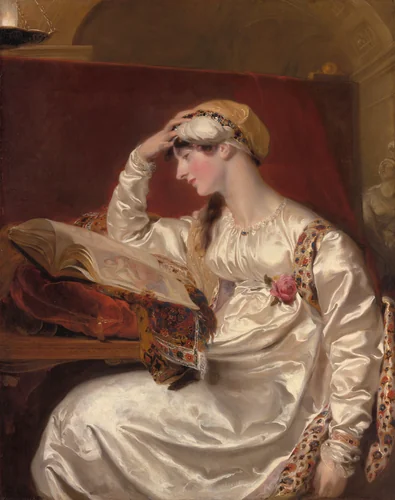
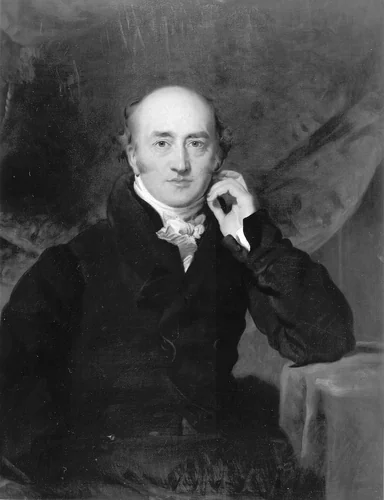
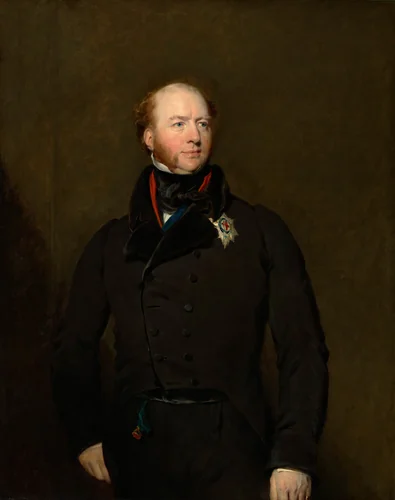
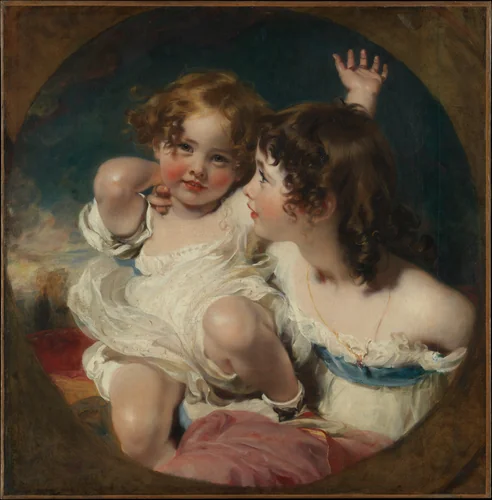
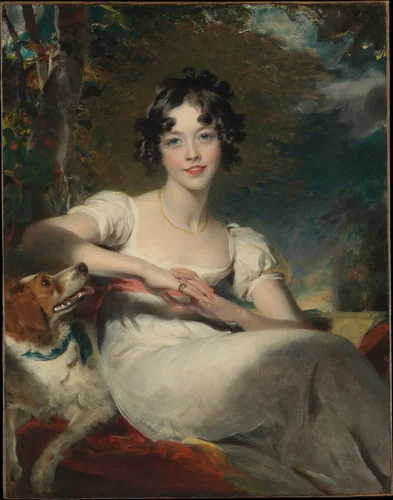
Lawrence established a refined technique characterized by flowing brushwork, rich coloration, and a sensitivity toward his subjects’ physical presence. Works such as John Julius Angerstein (1736–1823) and the elegant depiction of Elizabeth Farren (born about 1759, died 1829), Later Countess of Derby, exemplify his skill in rendering the textures of silk and velvet while maintaining a sharp psychological insight. He did not merely record; he conferred an aspirational elegance upon the burgeoning aristocracy and political classes of his nation. The continued visual power of Sir Thomas Lawrence paintings ensures they remain central documents of the period.
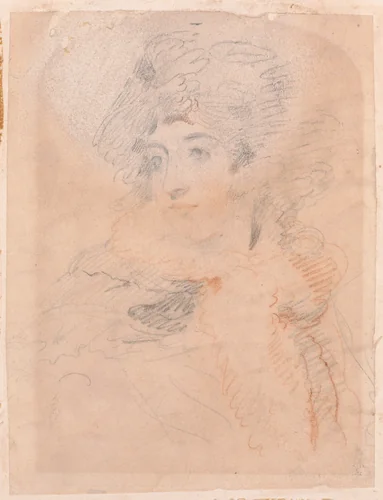
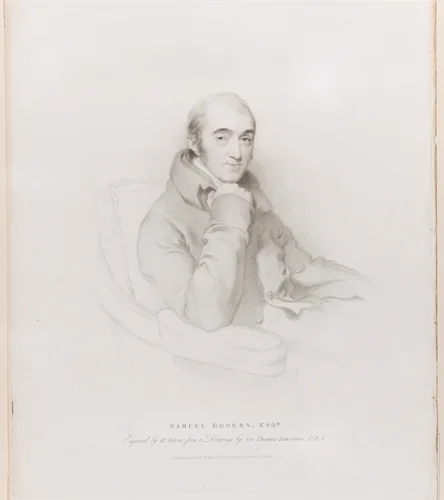
His output, which includes eight known paintings and a significant collection of preparatory drawings, secured his status as the most fashionable artist of his generation. Today, his works are fundamental to collections worldwide, held by institutions including the Metropolitan Museum of Art, the National Gallery of Art, and the Art Institute of Chicago. As many of his core compositions and Sir Thomas Lawrence prints reside within the public domain, they are widely available for study and reference. This accessibility allows for the creation of museum-quality high-quality prints, ensuring that the dramatic glamour of Regency society remains visually compelling for generations to come.
Source: Wikipedia · CC BY-SA 4.0