Sir Peter Paul Rubens
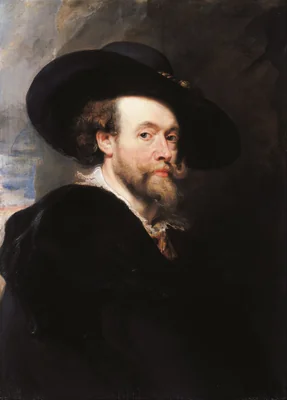
Sir Peter Paul Rubens (1577-1640) stands as the preeminent figure of the Flemish Baroque tradition, an artist whose dynamic visual language defined a century of European painting and exerted an immense gravitational pull on subsequent generations of artists. Highly regarded in his time not only for his artistic genius but also for his profound intellectualism and extensive service as a respected diplomat, Rubens navigated the complex political and religious landscapes of early modern Europe with equal skill. His mastery established a paradigm for monumental, ambitious painting that few contemporaries could rival.
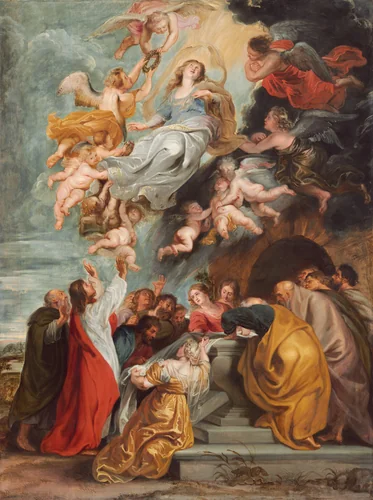
Rubens is characterized by a unique and immensely popular style that fused the erudite grace of High Renaissance classicism with the vibrant, immediate intensity of the Baroque. His compositions, often executed on a dramatic scale, are characterized by powerful movement, rich color saturation, and a pervasive sensuality. These highly charged arrangements drew upon sophisticated aspects of both classical antiquity and Christian history, aligning perfectly with the dramatic, visceral artistic style actively promoted by the Counter-Reformation. Works such as The Assumption of the Virgin exemplify his ability to render theological narratives with unparalleled energy and emotional weight.
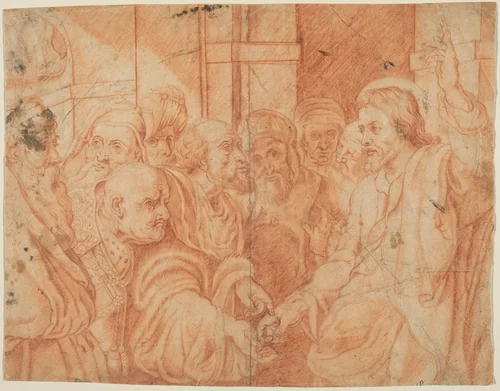
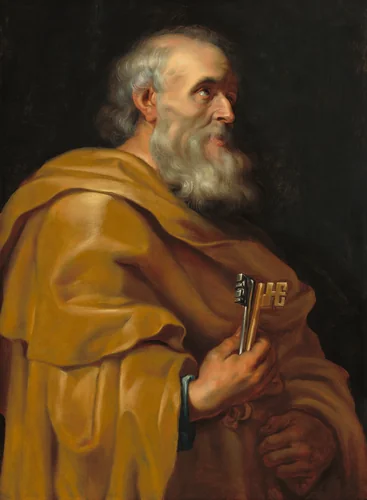
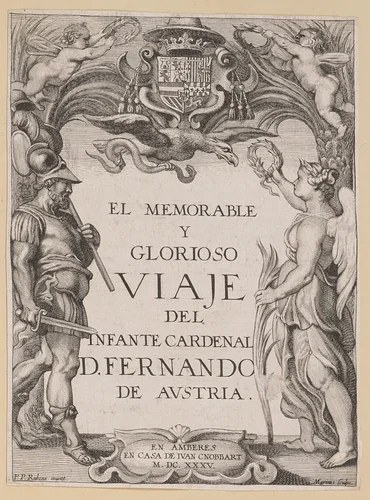
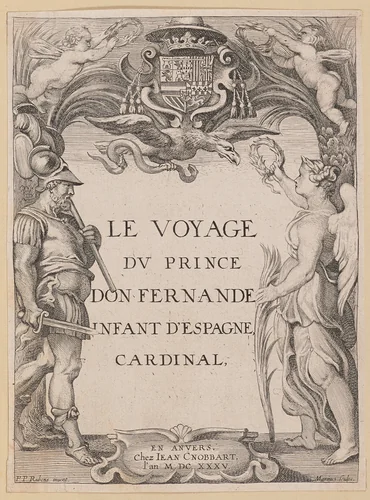
His prolific output spanned nearly every significant genre; he was a master painter of magnificent altarpieces, definitive court portraits, and ambitious history paintings covering mythological and allegorical subjects. Beyond the canvas, Rubens was a meticulous designer of cartoons for Flemish tapestry workshops and a prolific creator of frontispieces for Antwerp’s publishing houses, exemplified by the detailed Title Page for D. De Aedo y Gallert’s El...Viaje del Infante Cardenal.... The sheer volume and consistent high quality of Sir Peter Paul Rubens paintings and designs suggest not merely an artistic facility, but a remarkable entrepreneurial intellect capable of controlling a highly efficient and sophisticated workshop system. Today, access to his visual lexicon is widespread; many of his finished works and preparatory studies, like Tribute Money or Saint Peter, are available as downloadable artwork, ensuring the foundational influence of this definitive artist remains universally accessible in the public domain.
Source: Wikipedia · CC BY-SA 4.0