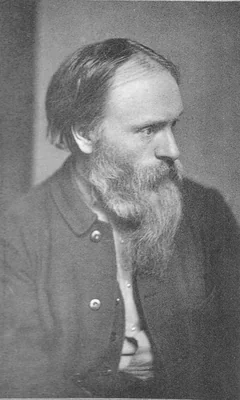
Sir Edward Burne-Jones
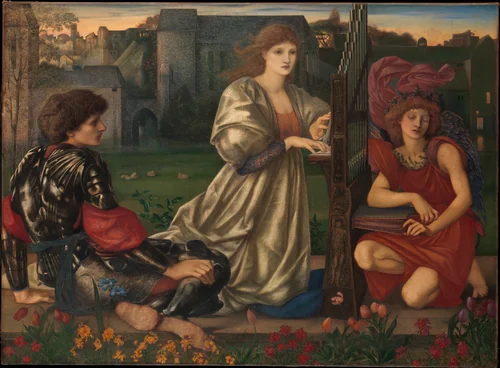
Sir Edward Coley Burne-Jones, 1st Baronet, stands as one of the definitive figures of late 19th-century British art. An English painter and extraordinarily prolific designer, his output bridged the foundational tenets of the Pre-Raphaelite Brotherhood with the emerging sensibilities of the Aesthetic Movement. His central mission was the infusion of fine art with meticulous craft, a commitment that cemented his reputation both in oil painting and in the decorative arts.
Burne-Jones was initially influenced by Dante Gabriel Rossetti, adopting the detailed realism and intense focus on medieval and mythological subject matter characteristic of the Pre-Raphaelites. However, he quickly developed a distinctive, highly stylized classicism. His works, drawing heavily from Arthurian legend, Greek mythology, and literary romance, rejected the immediate concerns of Victorian life in favor of a melancholic, internalized world. His figures, often draped in heavy, flowing textiles, exist in a state of exquisite suspension, perpetually awaiting an event that may never quite arrive.
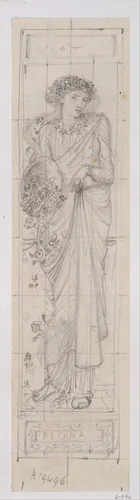
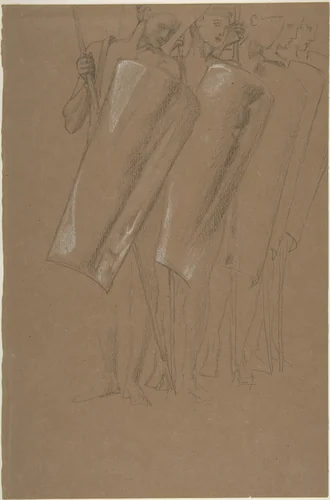
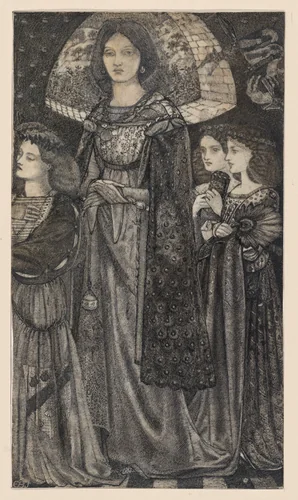
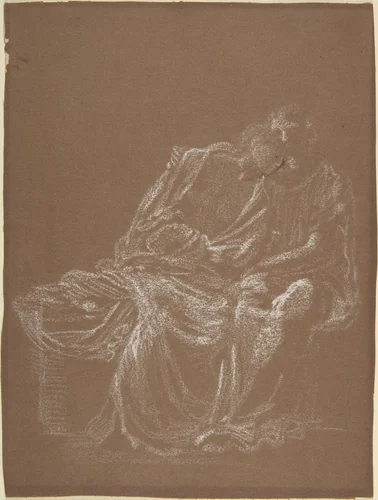
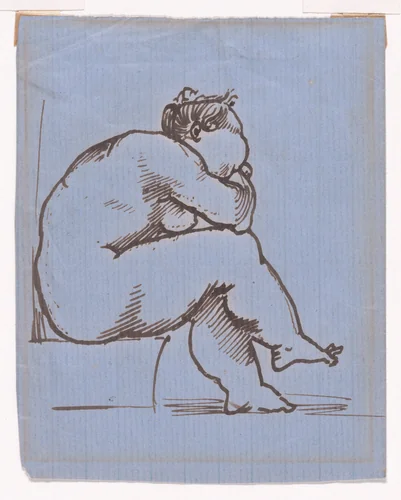
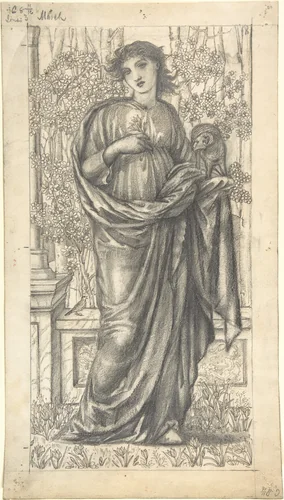
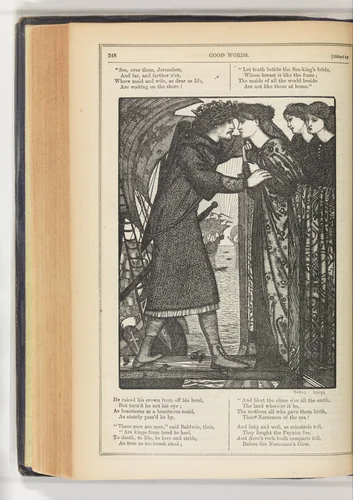
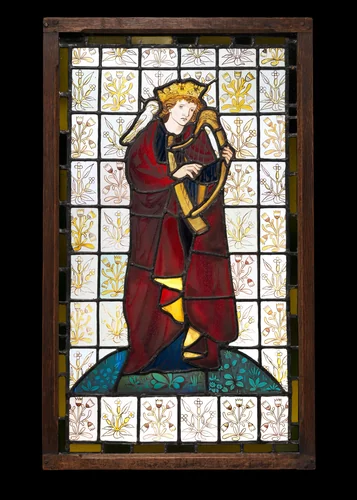
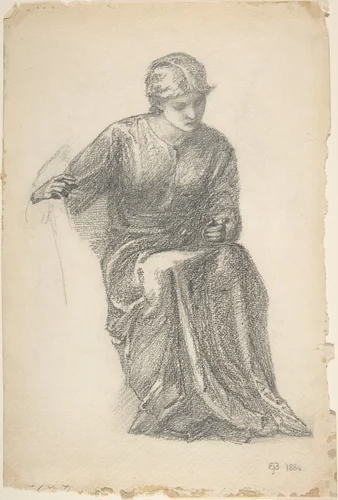
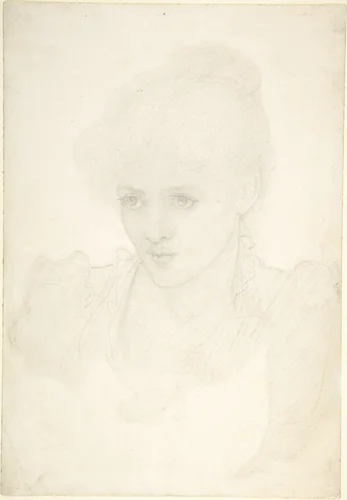
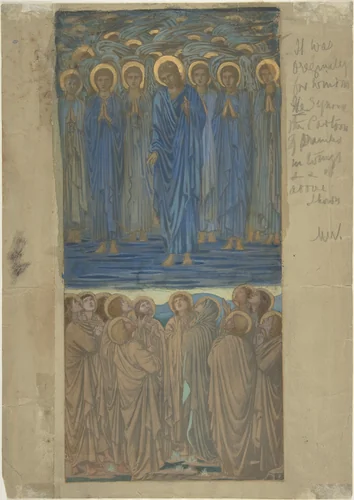
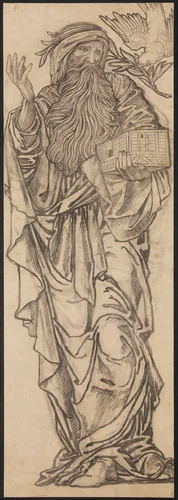
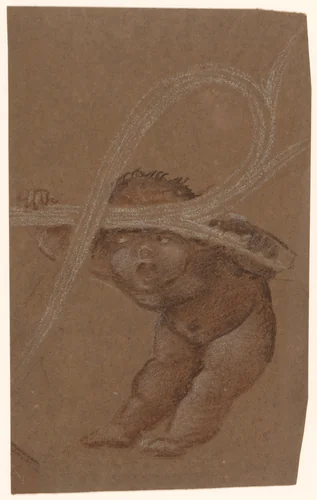
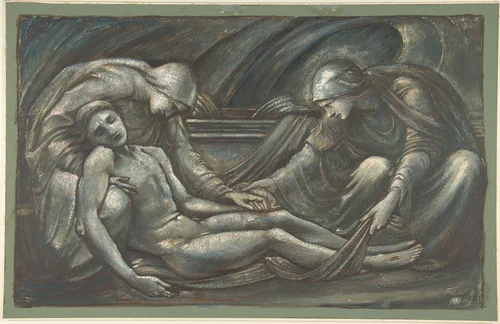
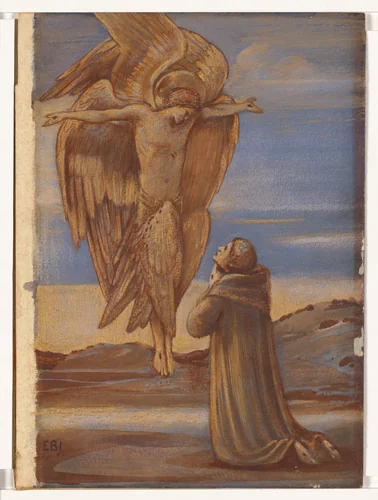
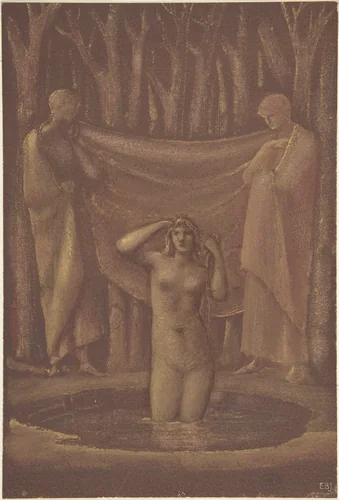
His profound commitment to design elevated him beyond the conventional sphere of painting. Working closely with William Morris, Burne-Jones was a core creative force for Morris & Co., generating influential designs for stained glass, illustrations, and tapestries. This dual mastery is evident even in preparatory works, such as the meticulous Design for the Figure of "Flora". His preparatory studies, like the character sketch Alice, la Belle Pèlerine, reveal an acute sense of line and composition crucial to the success of his finished monumental works.
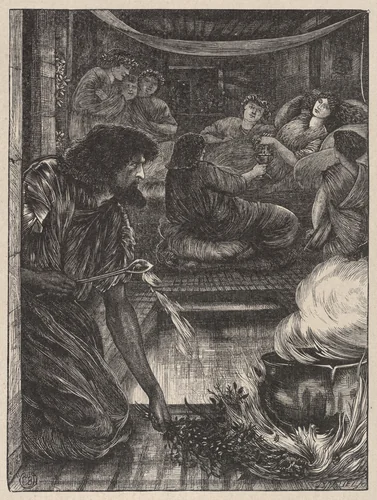
The legacy of Sir Edward Burne-Jones is one of pervasive influence across multiple media. His output—comprising numerous Sir Edward Burne-Jones paintings, comprehensive designs, and detailed drawings—helped define the visual aesthetic of the fin-de-siècle. Today, the enduring interest in his draftsmanship, visible in collections like the Metropolitan Museum of Art, ensures that many of his important works are studied globally. The wide availability of these materials in the public domain allows researchers to examine the complexity of his creative process, often through high-quality prints and downloadable artwork.
Source: Wikipedia · CC BY-SA 4.0