Simon van de Passe
Simon van de Passe belonged to one of the most significant yet commercially driven dynasties in 17th-century European printmaking. His fifteen recorded prints and his known activity beginning around 1595 establish him as a key contributor to the prolific output of the Van de Passe family, a lineage of Dutch engravers comparable in scope and influence to the Wierix or Sadelers workshops.
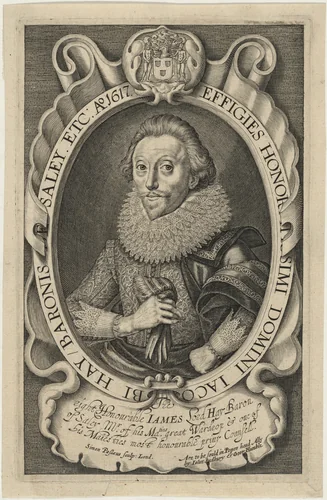
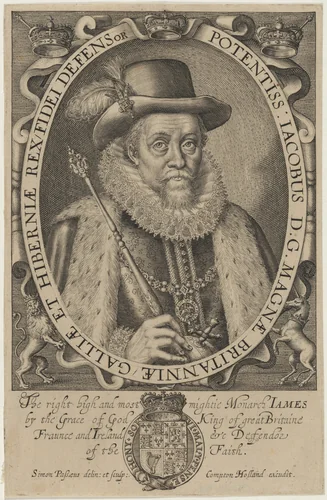
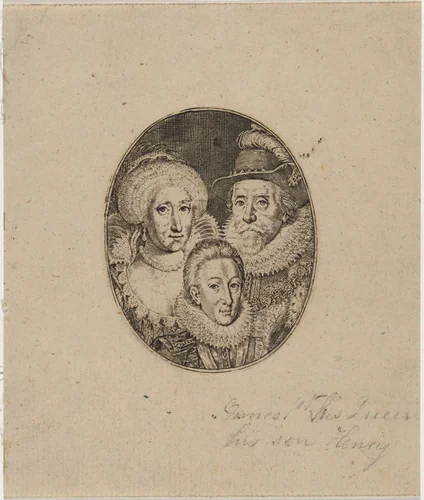
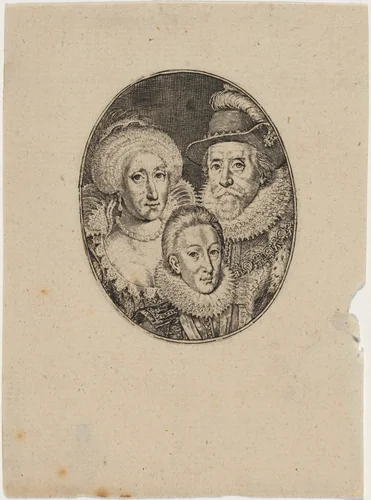
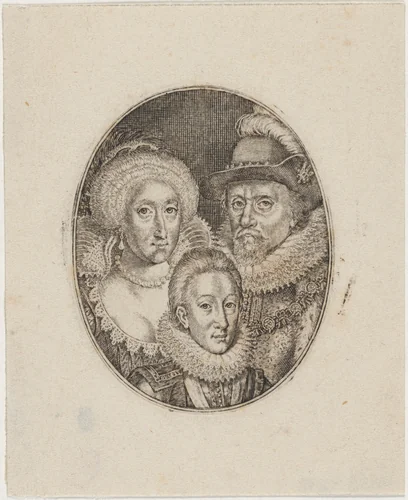
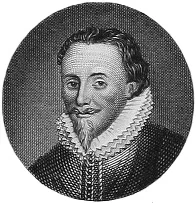
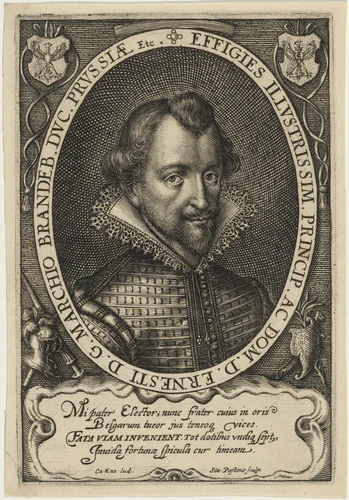
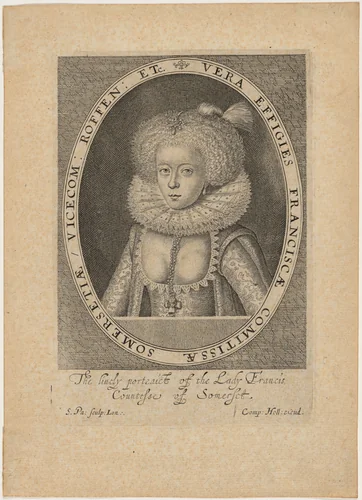
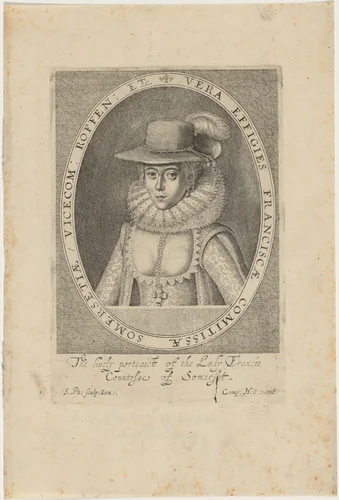
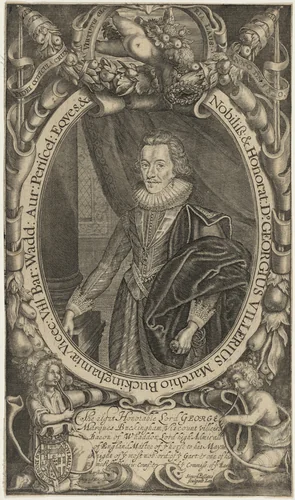
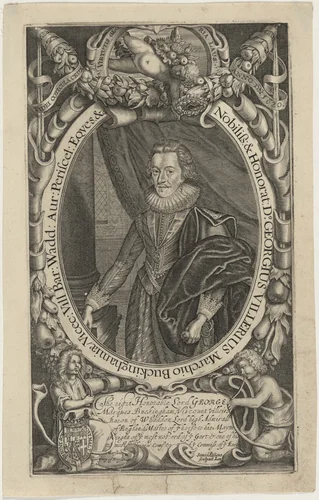
The family enterprise, founded by Crispijn van de Passe the Elder, centered on the lucrative commercial market for reproduced imagery. Unlike artists primarily focused on grand, unique narrative subjects, the Van de Passe focus was practical and mercantile. Their extensive production concentrated heavily on portraiture, essential for historical record and status promotion, alongside book title-pages and various visual materials required by the expanding publishing industry. Simon’s contribution includes precise engraved likenesses, such as his depictions of Abbot George, Archbishop of Canterbury and Andreas Rivetus, alongside the slightly less formal portrait of Anne Bill. This highly efficient, business-minded approach ensured the family’s sustained prominence across generations.
The defining characteristic of the Van de Passe oeuvre is the remarkable technical and stylistic uniformity. It is frequently a challenging exercise to distinguish the precise hand of Simon from his father or siblings without explicit signatures, a fascinating if slightly anonymous testament to the discipline imposed by the commercial needs of the workshop. Nevertheless, family members were often responsible for both the initial design and the subsequent engraving process, leaving behind preparatory drawings that speak to a high degree of artistic self-sufficiency alongside technical mastery.
This dedication to precise execution ensured a remarkably consistent, museum-quality output tailored perfectly for the print market. The legacy of Simon van de Passe prints lies not in revolutionary artistic movements, but in their mastery of reproduction and dissemination of historical likenesses. Their commitment to technical precision ensured their immediate success, and today, many of these important historical portraits are now considered public domain resources, allowing scholars worldwide to access high-quality prints of their essential contribution to the history of graphic art.
![Elizabeth, Queen of England [right half] by Simon van de Passe, print, 1595-1647](https://img.artbee.org/3db6b6ce-97c7-44ce-80ce-044fcded6b79/small.webp)
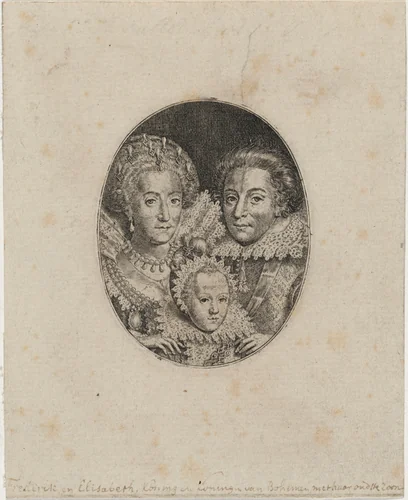
![Henri IV and Maria de Medici [top half] by Simon van de Passe, print, 1595-1647](https://img.artbee.org/e3d79305-e2af-4a28-944a-07cbb487f8ca/small.webp)
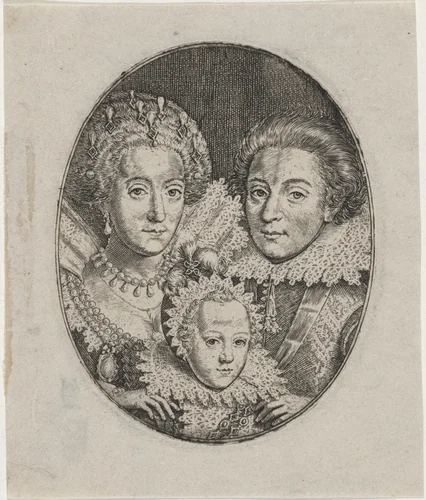
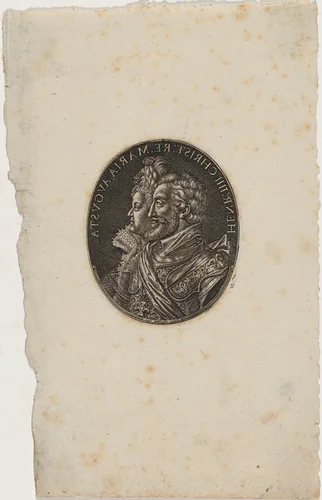
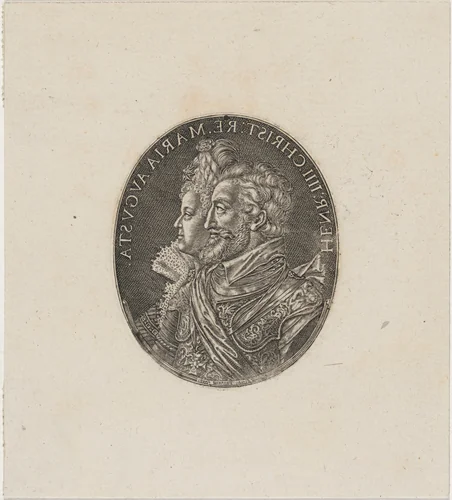
![Henri IV and Maria de Medici [top half] by Simon van de Passe, print, 1595-1647](https://img.artbee.org/ad89afea-8fe9-458b-a5a7-ed2fa3825ef4/small.webp)
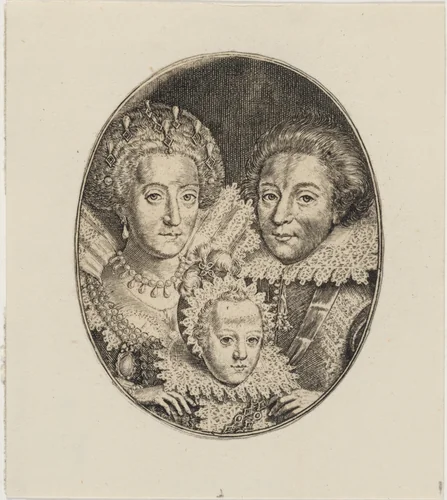
![Henry IV and Maria de Medici [left half] by Simon van de Passe, print, 1595-1647](https://img.artbee.org/cb4600fd-221c-4886-bd55-36990783a833/small.webp)
![Henry IV and Maria de Medici [right half] by Simon van de Passe, print, 1595-1647](https://img.artbee.org/e9bdf78f-159f-431a-aa5f-b4237898390a/small.webp)