Simon Gribelin
Simon Gribelin (1661–1733) holds a secure if understated position within the history of 18th-century French printmaking. Operating during a critical era of design proliferation, Gribelin specialized in line engraving, a demanding technique requiring exceptional precision. This medium served as the primary vehicle for circulating artistic and architectural motifs across Europe, effectively linking the sophisticated Parisian design world to artisans and patrons internationally.
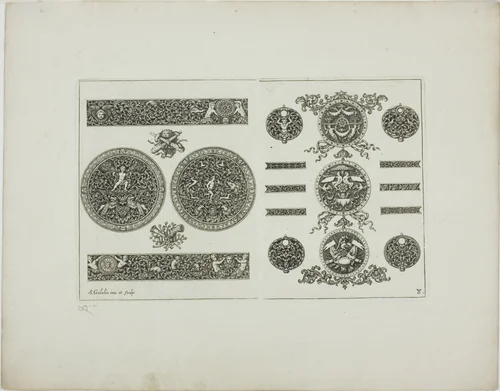
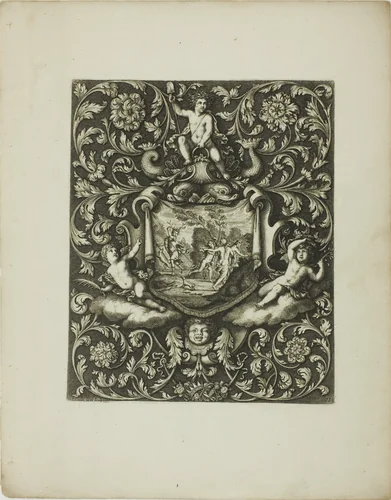
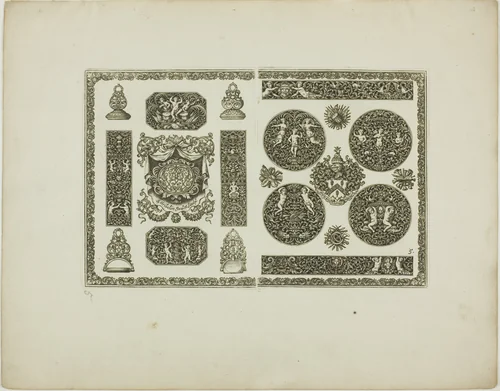
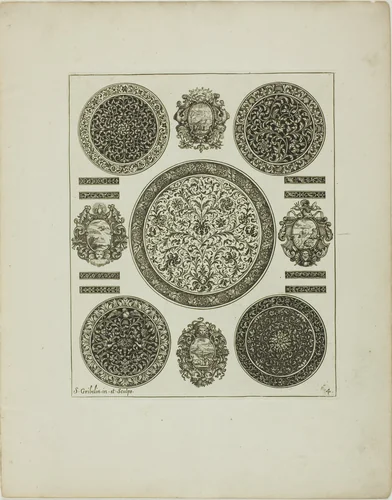
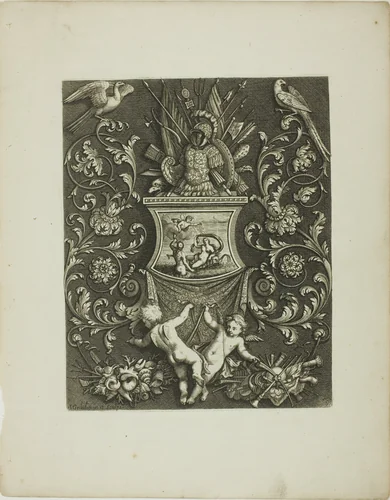
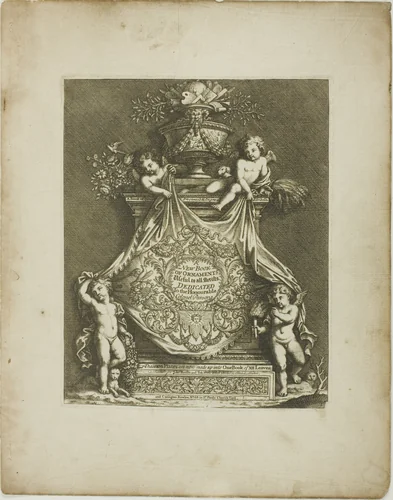
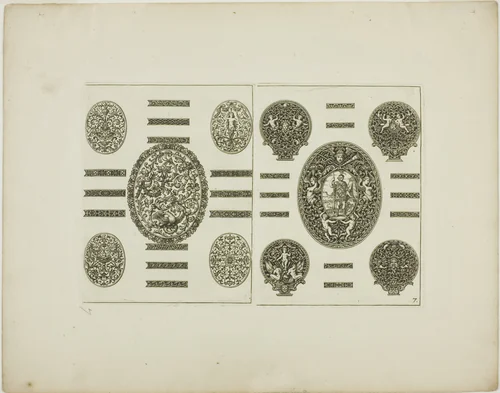
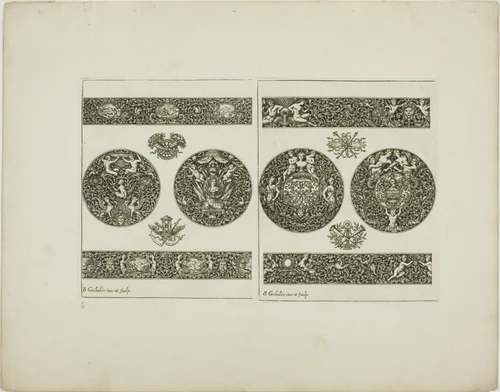
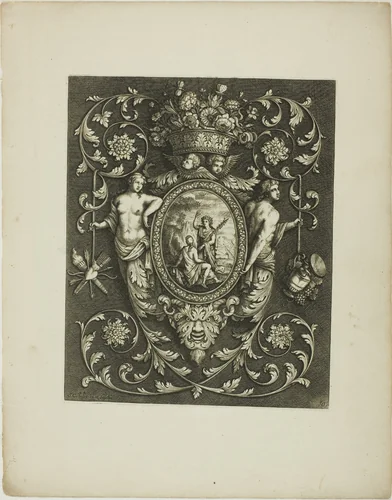
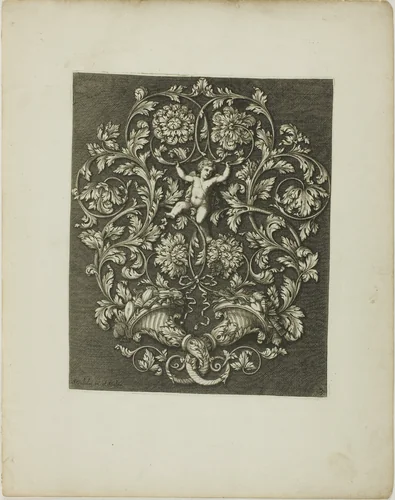
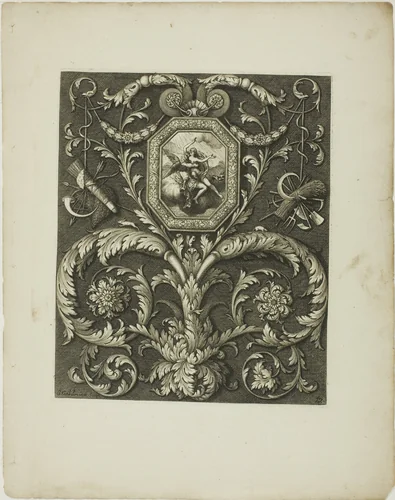
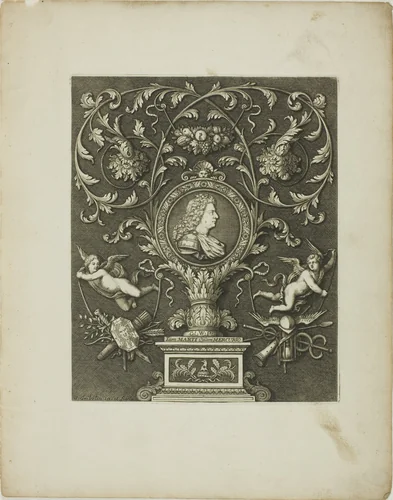
His activity peaked around 1704, a period characterized by the transition towards the lighter, more elaborate elements that would define the Rococo style. Gribelin’s known output consists predominantly of meticulously rendered ornamental design plates. These were compiled into foundational pattern books, exemplified by series such as Book of Ornament and A New Book of Ornaments. These collections were not merely artworks to be framed but highly functional graphic resources, providing essential visual source material for contemporary designers working in metalwork, cabinetry, textiles, and interior architectural detailing. The rigorous technical mastery demonstrated in plates like Plate Four, from Book of Ornament, shows his dedication to producing repeatable, crisp designs suitable for the burgeoning commercial art market.
It is a quiet observation of art history that the engraver, rather than the painter, often defines the decorative tastes of an entire generation. Gribelin’s contribution lies in this enduring utility: the dissemination of foundational designs that shaped the applied arts of the early 18th century. His works, including the twelve prints documented, demonstrate the era’s fascination with symmetrical scrolls, elaborate cartouches, and balanced foliate motifs, all rendered with the cold clarity possible only through dedicated line engraving.
Today, examples of Simon Gribelin prints are preserved in major institutional collections, including the Art Institute of Chicago. For contemporary scholars and designers, the meticulous detail found in these original impressions remains invaluable. Fortunately, much of this historical graphic material now resides within the public domain, ensuring that these high-quality prints are accessible for study and reinterpretation globally, reinforcing the crucial legacy of the ornamental engraver.
Source: Wikipedia · CC BY-SA 4.0