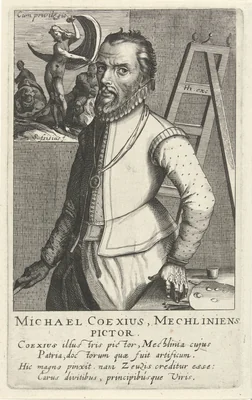
Simon Frisius
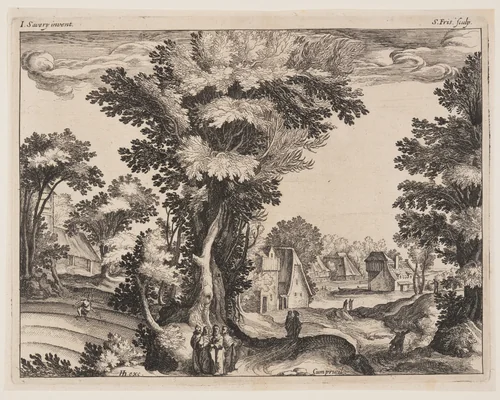
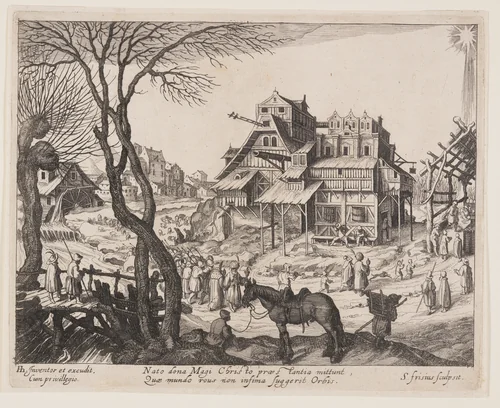
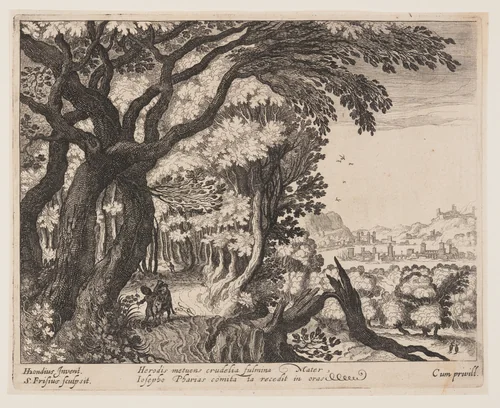
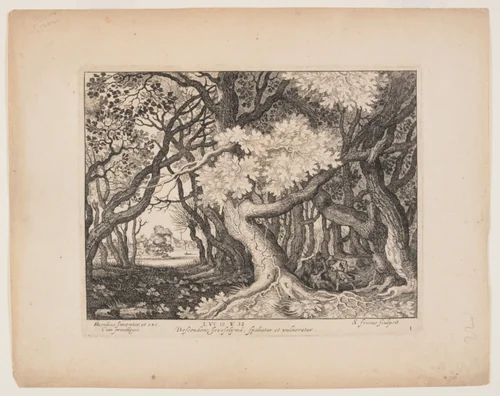
Simon Frisius, known also during his active period as Simon de Vries, was an accomplished Dutch engraver whose concentrated output secured his position within the Northern European printmaking tradition at the turn of the seventeenth century. Though documented for only a narrow window of activity between 1595 and 1600, Frisius produced a distinct body of work that demonstrates a masterful command of linear perspective and dramatic narrative typical of late Mannerism. His surviving catalogue, estimated at fifteen high-quality prints, reveals an artist deeply engaged with both classical scripture and the harsh realities of contemporary conflict.
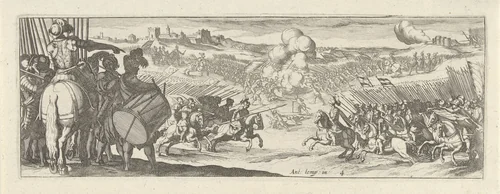
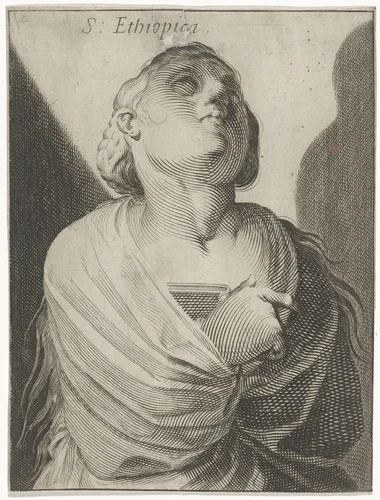
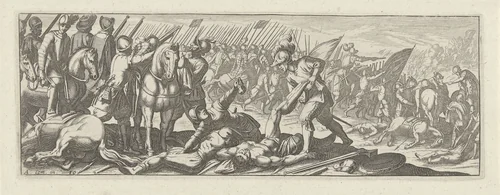
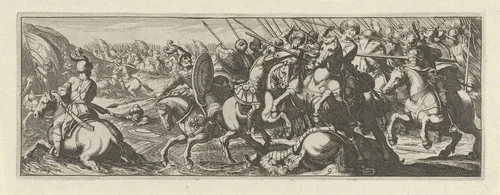
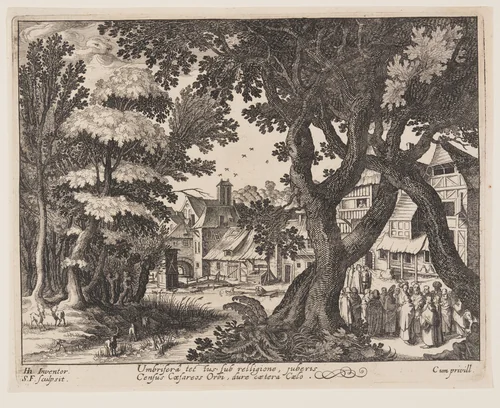
Frisius utilized the expressive potential of engraving to explore complex human conditions, often pairing moments of violent strife with acts of profound morality. This duality is evident in his selections, ranging from the prophetic power captured in Sibille van Ethiopië to the chilling aftermath of war depicted in Soldaten beroven lijken op het slagveld. Perhaps his most engaging skill lies in synthesizing chaos and structured composition, as seen in the tactical engagement portrayed in Veldslag bij een rivier and the focused action of Cavalerist spreekt soldaten toe.
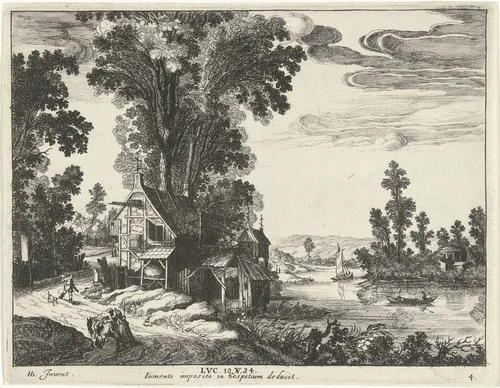
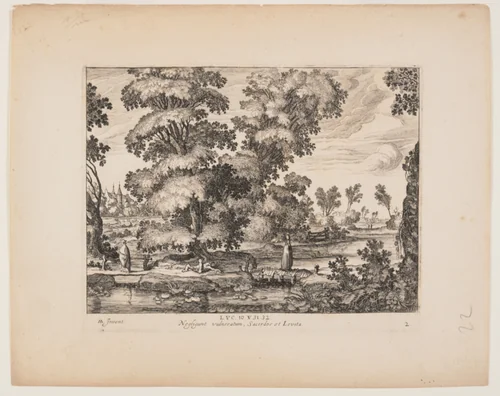
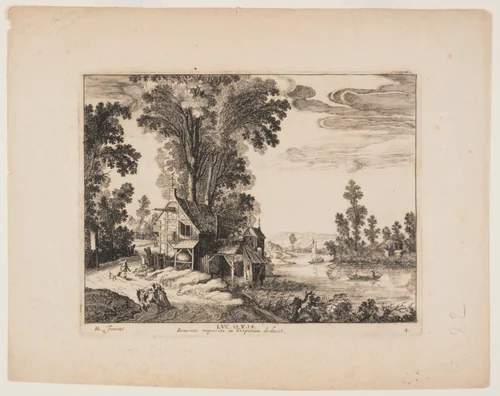
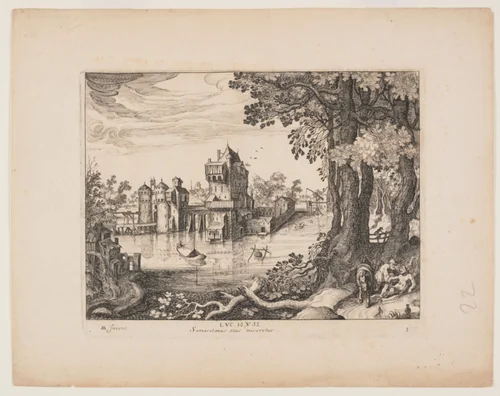
Intriguingly, given the prevalence of martial subjects in his oeuvre, Frisius repeatedly interjected themes of aid and compassion into his narrative prints. His sensitive rendering of Samaritaan brengt een gewonde man naar een herberg acts as a visual counterpoint to the surrounding battles, suggesting a focused interest in ethical response amidst pervasive human struggle. It is this willingness to depict both the brutal consequence and the immediate amelioration of suffering that defines his subtle genius.
Today, the limited quantity of Simon Frisius prints ensures their ongoing historical value. Examples of his work are held in major international collections, including the Rijksmuseum and the Art Institute of Chicago, testifying to their enduring museum-quality relevance. Because his creations predate the established frameworks of copyright, these foundational works are often found in the public domain, making downloadable artwork widely accessible for study and appreciation as high-quality prints.
Source: Wikipedia · CC BY-SA 4.0