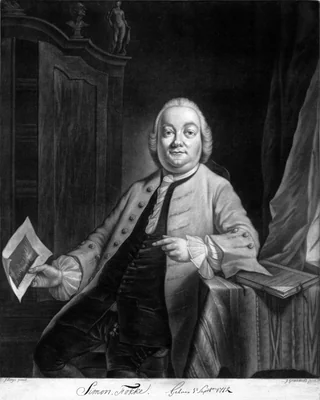
Simon Fokke
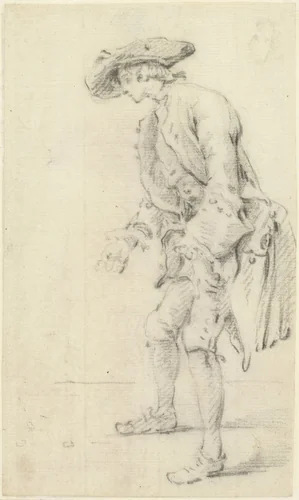
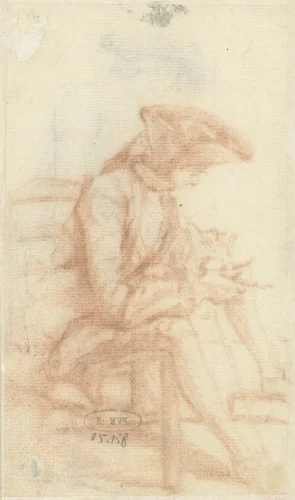
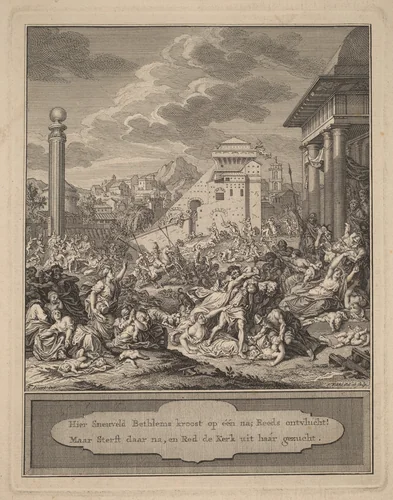
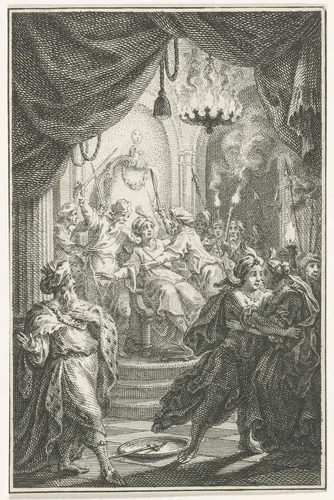
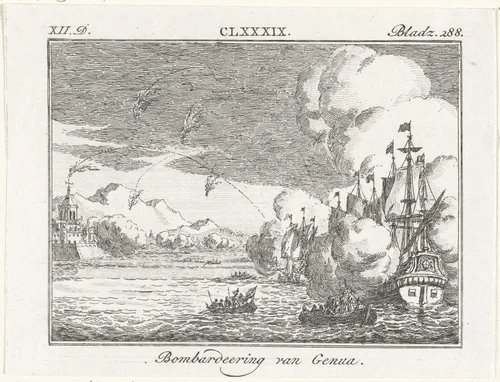
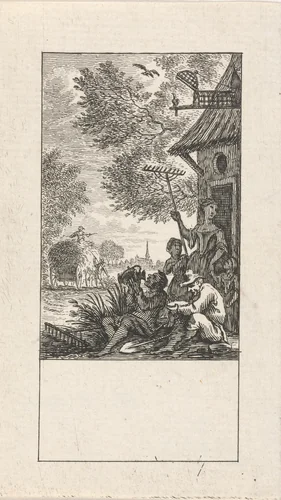
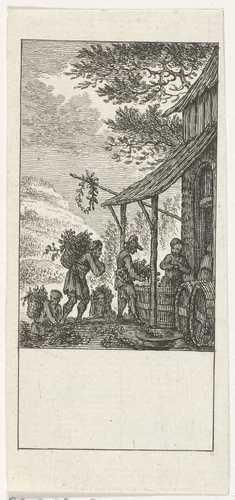
Simon Fokke (1712-1784) was a prolific Dutch designer, etcher, and engraver whose career spanned the transition from the established Dutch Golden Age tradition into the burgeoning Enlightenment era of extensive commercial publication. Active primarily in Amsterdam, Fokke studied under J. C. Philips before dedicating his professional practice largely to commissioned work. While today he is recognized for the fine detail captured in his museum-quality prints, during his lifetime, his primary output involved creating small portraits and intricate vignettes requested by the period’s leading booksellers.
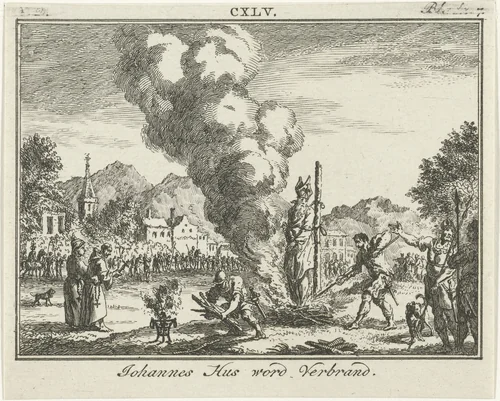
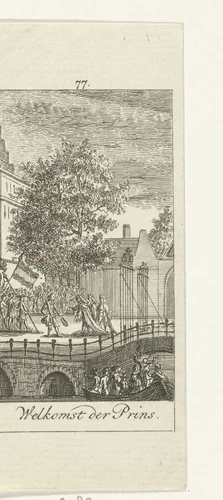
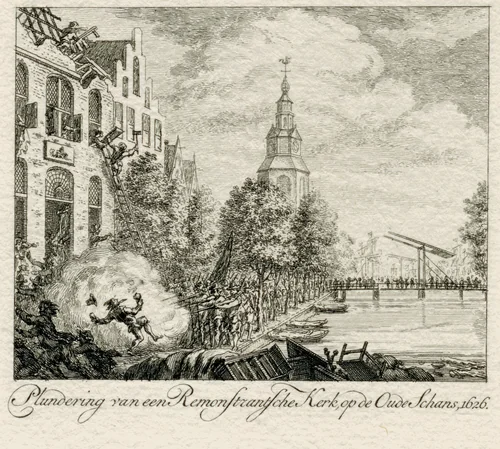
Fokke’s versatility is evident in the diverse range of subject matter he tackled, from historical documentation to portraiture and topography. His significant contributions to historical projects included numerous plates for Wagenaar's monumental Vaderlandsche Historie (1749-1759) and portraits for Tycho Hofman's Portraits historiques des hommes illustres de Dannemark (1741). Crucially, Fokke’s technical mastery allowed him to successfully translate the nuances of established masters into the reproducible print medium.
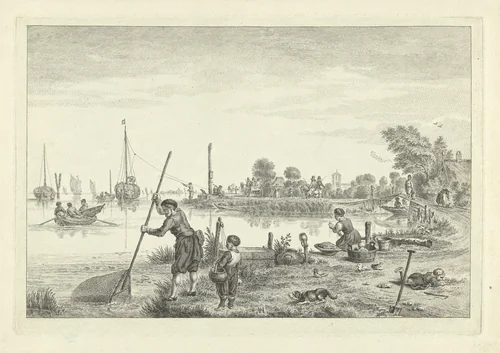
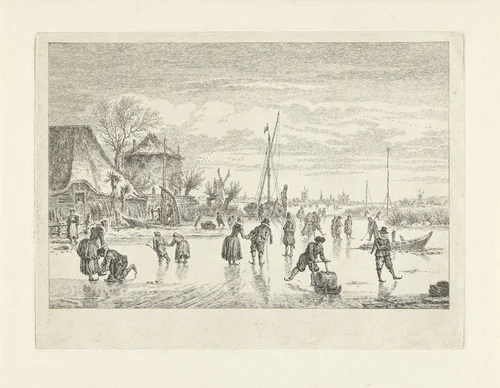
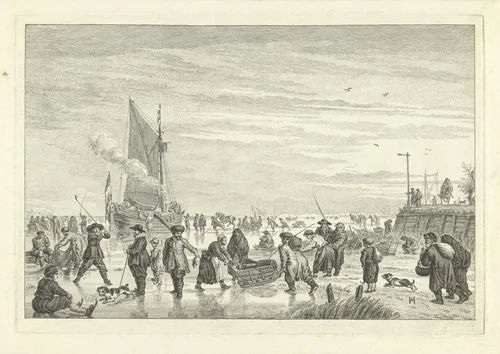
Notable among his reproductive works is his precise engraving of Gerard ter Borch’s celebrated group portrait, The Treaty of Peace at Münster, and dramatic religious scenes after Jusepe de Ribera (Spagnoletto), such as The Prodigal Son and Jacob keeping the Flocks of Laban. These high-quality prints played a vital role in disseminating knowledge of masterpieces held in private or distant European collections. His topographical skill is also demonstrated through detailed compositions, including the maritime A View of the Port of Leghorn after Vernet and the Six plates of Dutch Views after Avercamp, depicting rivers, ships, and skaters.
Though much of Fokke's labor was dedicated to serious historical and documentary subjects, he occasionally exercised a refreshing, understated wit. This is captured perfectly in his burlesque rendering of The Death of Dido, executed after Cornelis Troost. Fokke also created the striking vignette of Liberty that adorned the 1755 title page of Rousseau’s influential Discourse on Inequality. Today, the sustained interest in Simon Fokke prints is maintained by their inclusion in major collections like the Rijksmuseum and the National Gallery of Art, with many works now residing in the public domain and available as downloadable artwork for scholars and enthusiasts worldwide.
Source: Wikipedia · CC BY-SA 4.0