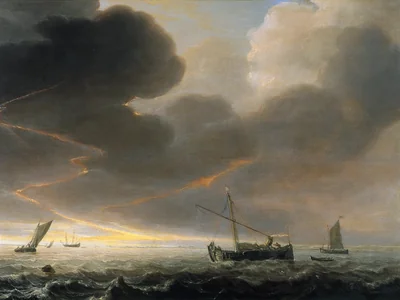
Simon de Vlieger
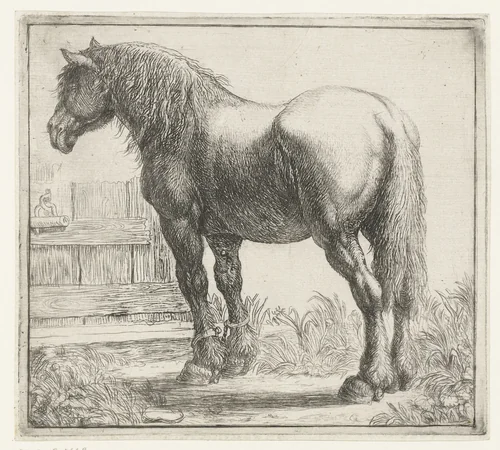
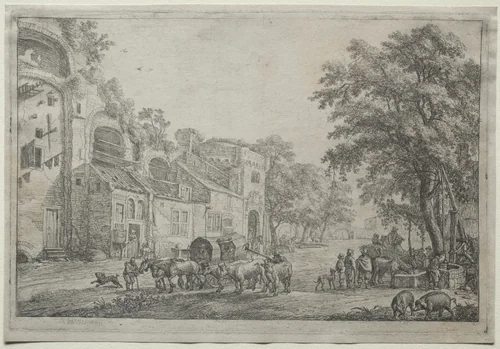
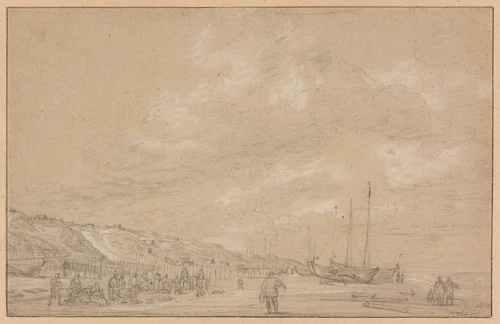
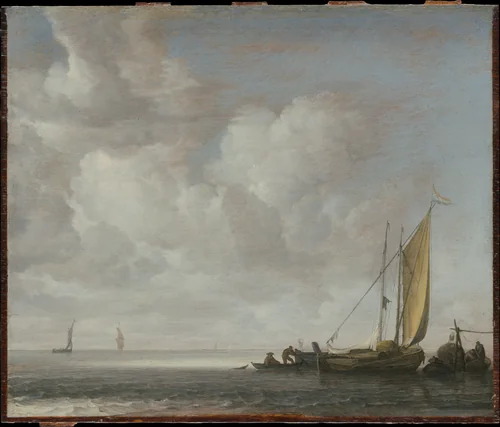
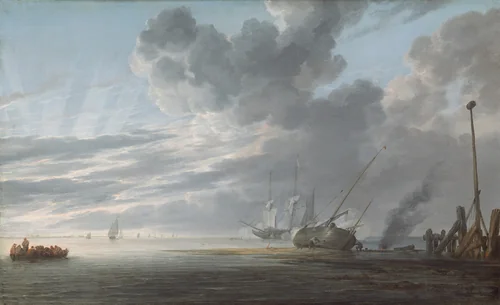
Simon de Vlieger holds a definitive position within the Dutch Golden Age, primarily recognized as one of the most significant and influential painters of marine subjects. However, a comprehensive view of his output reveals a highly versatile creator whose artistic reach extended across an unusual array of media. De Vlieger was not solely a painter, but also an accomplished draughtsman and designer, producing etchings, decorative textiles, and designs for stained glass windows.
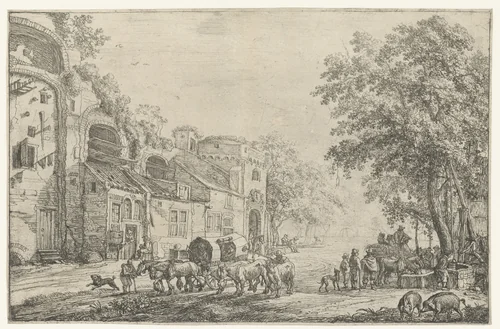
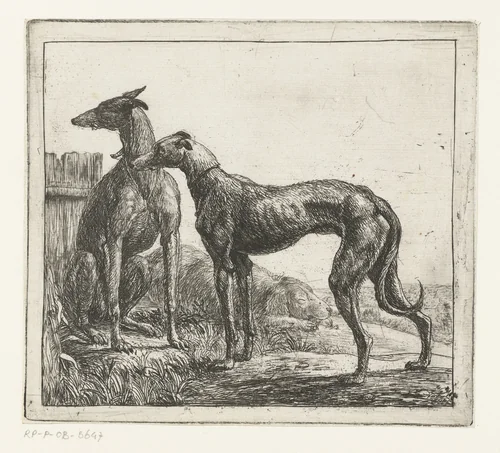
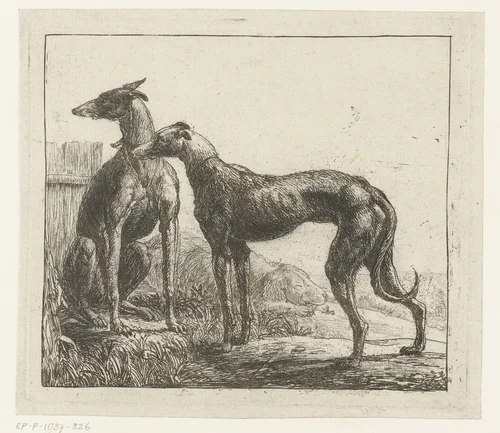
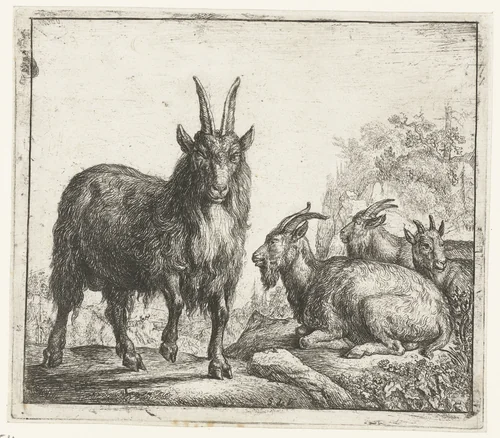
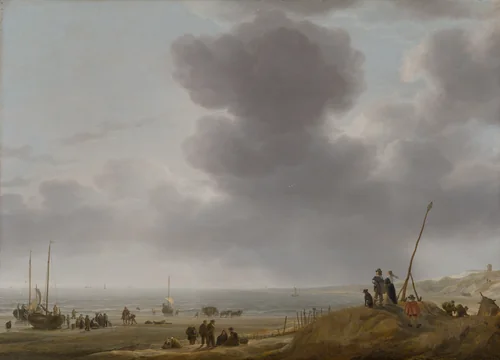
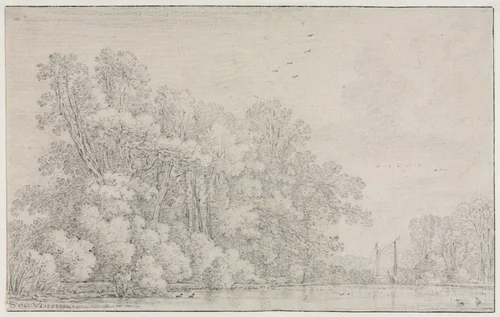
While his masterful marine paintings defined the atmospheric shift in 17th-century seascape representation, his known surviving oeuvre includes ten refined drawings and five prints, confirming his persistent engagement with grounded observation. He actively explored genres outside the realm of shipping and water, including tranquil beach scenes, genre compositions, and expressive landscapes. His observational acuity is evident in detailed studies such as Study of a Blasted Tree Trunk and Branches and the serene compositional rendering of Bosrand met een beek waarover een loopplank ligt.
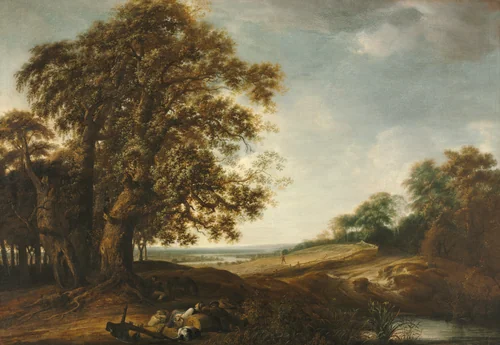
It is often overlooked that the same hand capable of capturing a roiling, tempestuous sea could render a simple copse or hillside with such measured quietude. This innate versatility allowed De Vlieger to apply the principles of composition and light, honed in his shipping scenes, to topographical precision, enriching his portrayal of woodland views like In the Hague Woods.
Today, the rarity and quality of his work ensure their continued status in major international collections, including the Rijksmuseum, the Metropolitan Museum of Art, and the National Gallery of Art. The scarcity of original Simon de Vlieger prints ensures their enduring museum-quality value. Fortunately, because these seminal works date from his active period of 1600-1610, much of his visual legacy is available in the public domain, offering access to high-quality prints and downloadable artwork, allowing scholars and enthusiasts to fully appreciate the breadth of this foundational Dutch master.
Source: Wikipedia · CC BY-SA 4.0