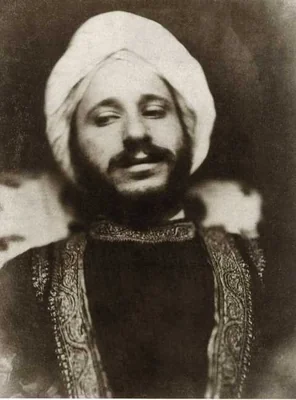
Simeon Solomon
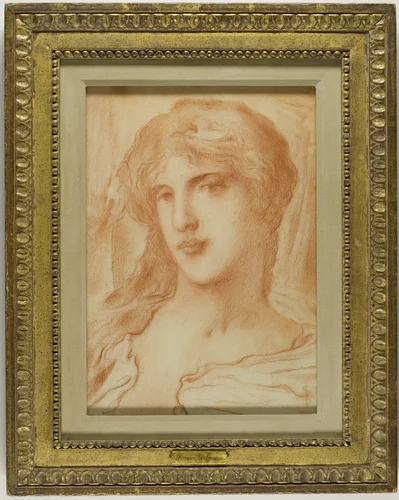
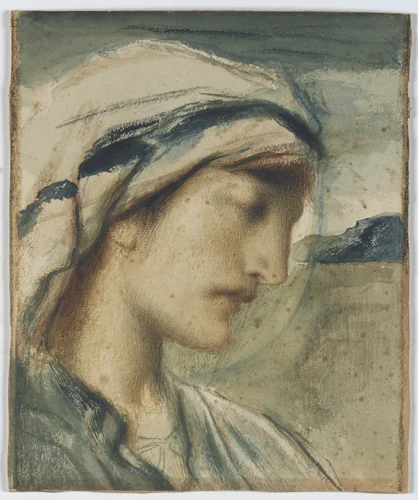
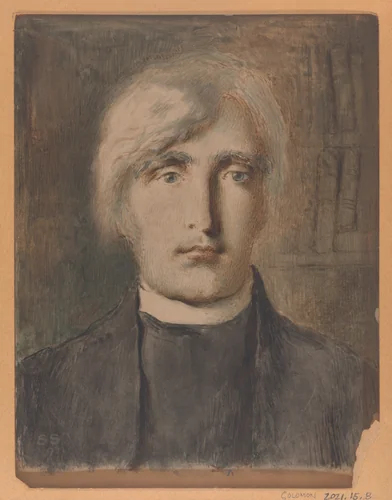
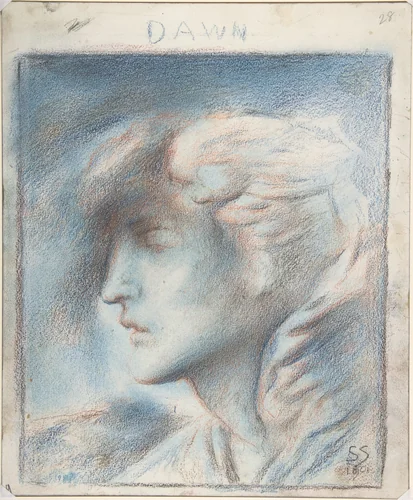
Simeon Solomon (1840-1905) occupies a unique and historically charged position within nineteenth-century British art. Closely associated with the second wave of the Pre-Raphaelites, his prolific early career, spanning roughly 1853 to 1865, distinguished him as a highly accomplished draughtsman and colorist specializing in complex allegories. His works are now held in significant American collections, including the Art Institute of Chicago, the National Gallery of Art, and the Metropolitan Museum of Art.
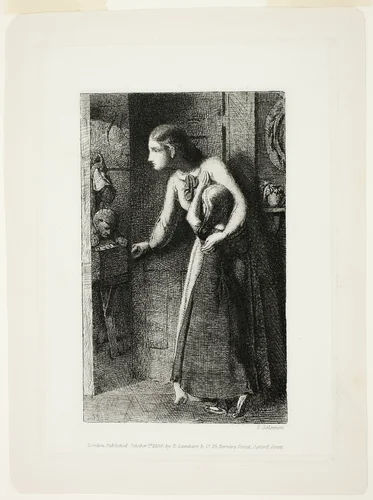
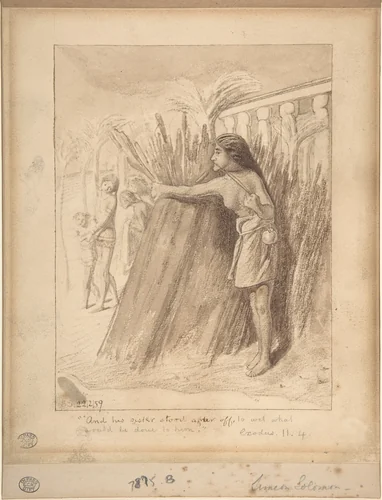
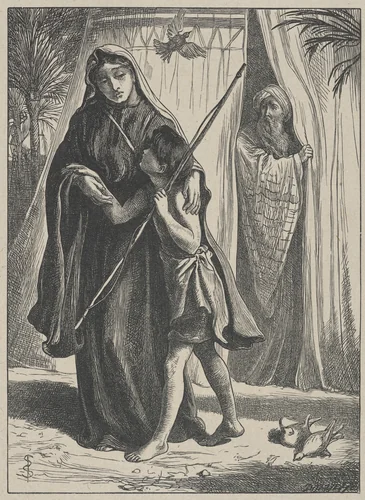
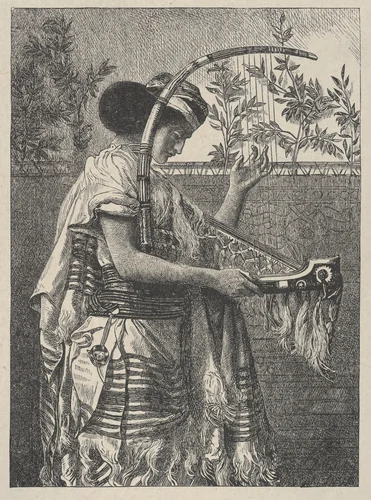
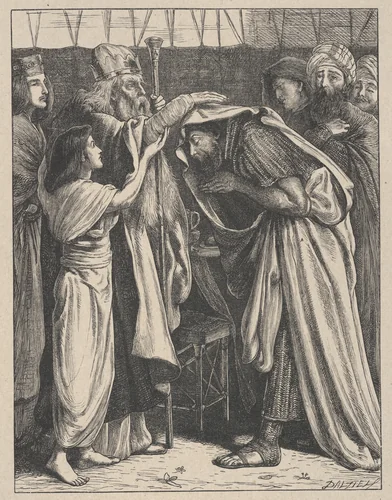
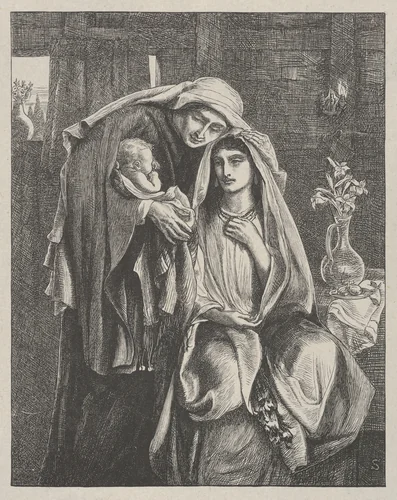
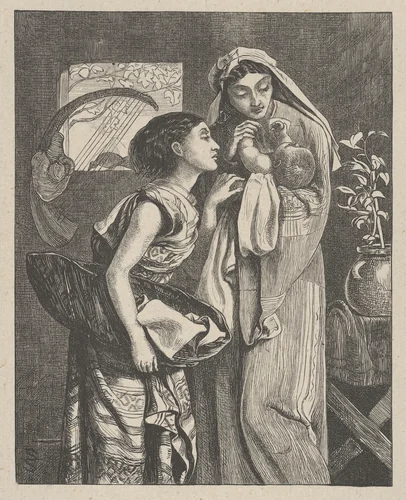
Solomon’s subject matter was notably advanced for the Victorian era. He created sensitive, detailed depictions of Jewish ritual and history, evident in pieces like Miriam Watching the Finding of Moses in the Bulrushes, while simultaneously pioneering visual explorations of intense psychological states and veiled same-sex desire. This fusion placed him as a crucial precursor to the Aesthetic and Decadent movements that followed. His active output includes a significant number of compelling drawings and prints, many of which conveyed profound melancholic atmosphere, as seen in the unsettling domestic scene of The Haunted House.
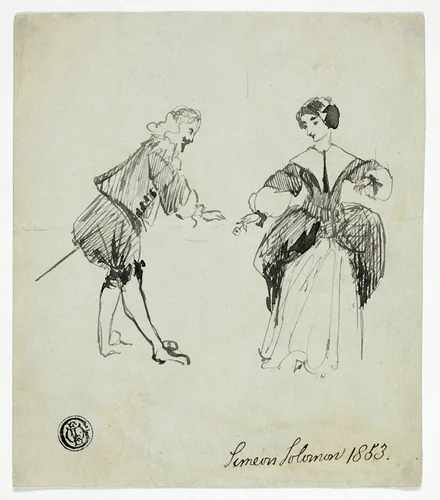
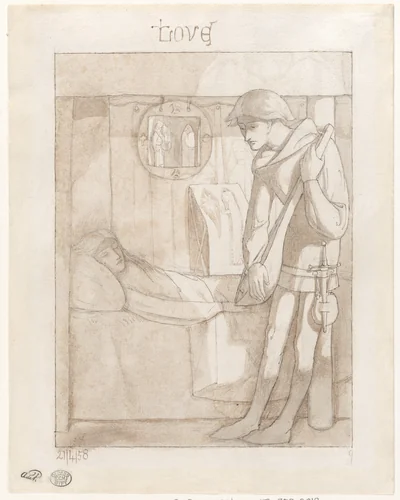
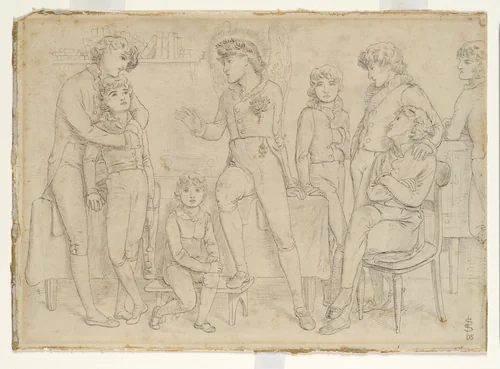
The intensity of his artistic promise, however, was tragically curtailed. Despite the evident mastery in works like the narrative study Cavalier and Lady and the poignant symbolism of Love, his public career suffered irreversible damage. Following arrests and convictions for attempted sodomy in 1873 and 1874, Solomon was swiftly ostracized by the mainstream art establishment that had previously celebrated him. It is perhaps one of art history's most severe ironies that an artist so concerned with exploring concealed, non-conforming emotion would have his professional life effectively dismantled by public moral censure.
Despite this abrupt interruption, the artistic contribution of Solomon remains undeniable. He successfully navigated the challenging terrain between religious reverence and erotic suggestion, creating a distinct visual vocabulary that scholars continue to re-evaluate. The continued accessibility of his foundational output, now often available as high-quality prints within the public domain, ensures that Simeon Solomon’s innovative bridge between Pre-Raphaelitism and the burgeoning aestheticism of the fin de siècle endures.
Source: Wikipedia · CC BY-SA 4.0