Shri Gobinda Chandra Roy
Shri Gobinda Chandra Roy was an artist whose documented professional activity centered around the year 1875. His surviving oeuvre places him within the Kalighat school of painting, a vibrant tradition originating in 19th-century Calcutta (Kolkata), India, characterized by its combination of indigenous folk aesthetics with modern materials and mass-production techniques like woodcuts and lithographs.
A selection of the artist’s output is preserved in international collections, most notably the Cleveland Museum of Art. The body of work currently represented in museum collections consists of three paintings and nine prints, confirming his engagement with reproducible media.
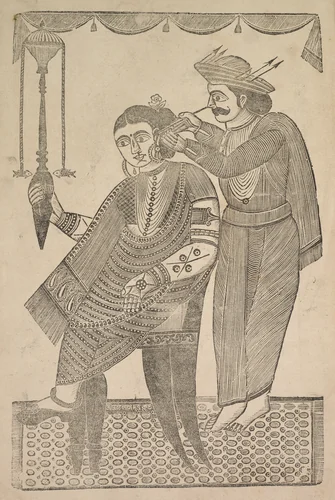
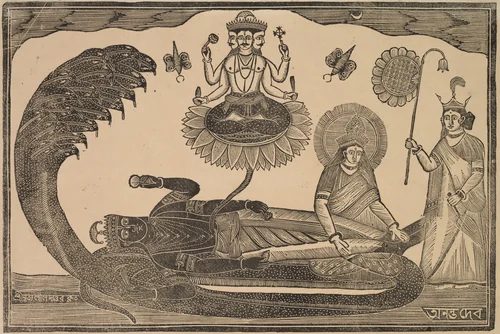
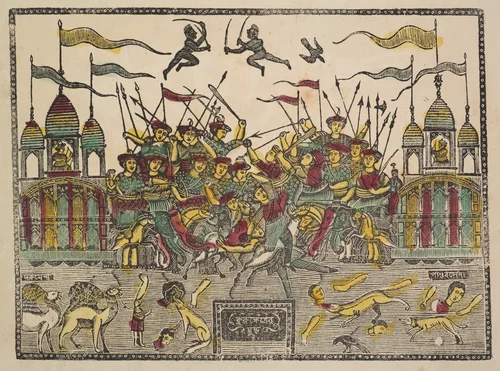
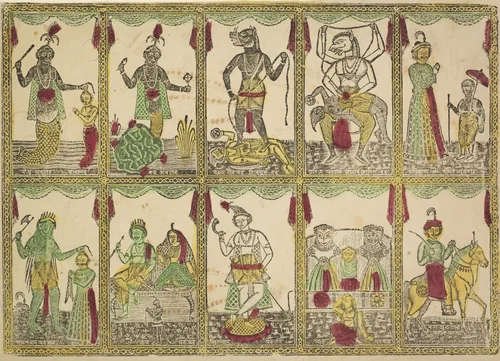
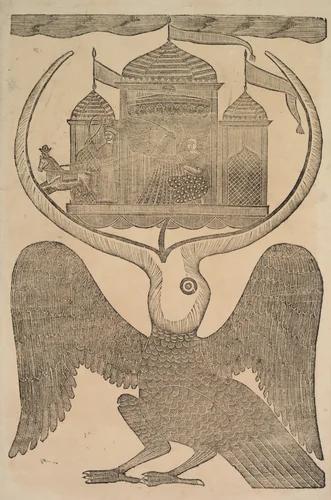
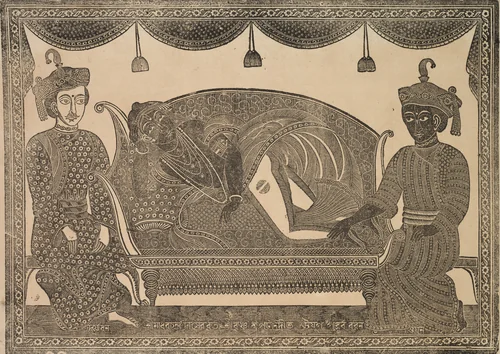
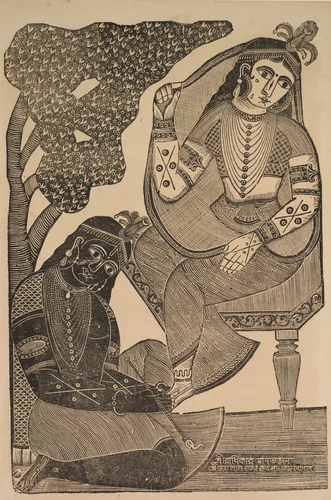
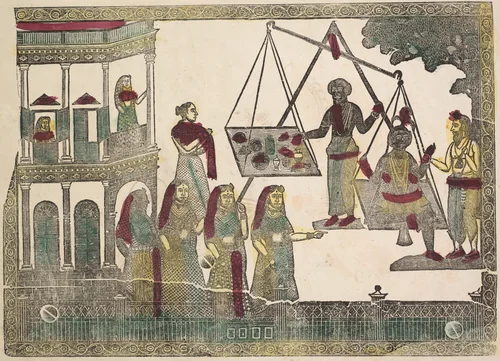
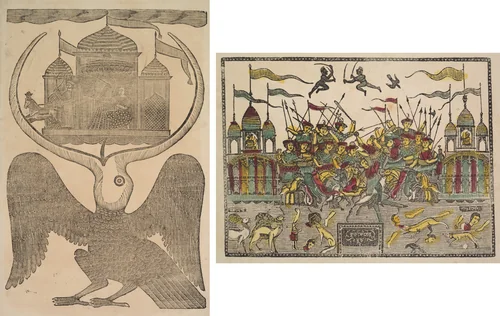
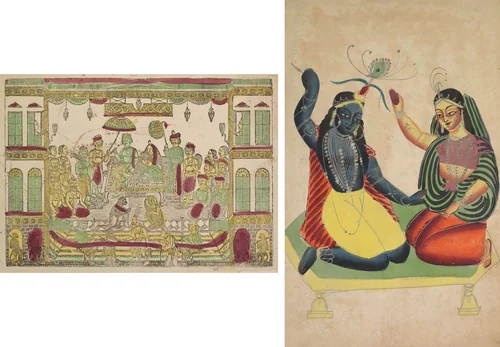
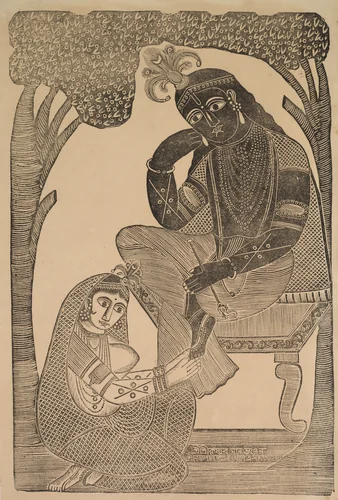
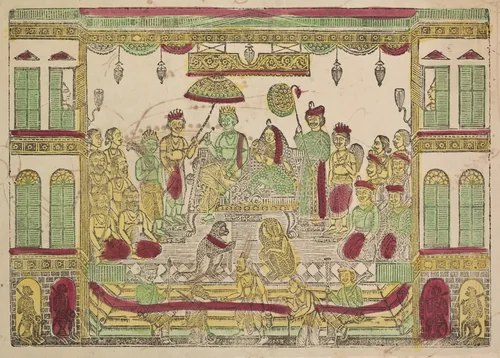
Roy’s works frequently explore two distinct thematic areas: complex narratives drawn from Hindu mythology and observations of contemporary urban life. Key examples relating to religious iconography include Anantasayan (Vishnu Reclining on Serpent Ananta) and the comprehensive study Das Avataras, Ten Incarnations of Vishnu. His engagement with epic literature is evidenced by album pages such as Battle Scene at Kurukshetra from the Mahabharata War and Jatayu hinders Ravana’s chariot trying to prevent Sita’s abduction. Works dedicated to social commentary include A Barber Cleaning the Ear of a Courtesan. Documentation of Shri Gobinda Chandra Roy prints and paintings confirms their historical value, and many museum-quality reproductions are now made available through public domain initiatives.