Shotei Hokuju
Shotei Hokuju was an Edo period ukiyo-e artist active between 1784 and 1810. Although detailed biographical information is sparse, the artist is known primarily through their landscape prints, which demonstrate the transitional period of Japanese printmaking.
The artist's body of known work is represented in major international institutions, with six verifiable prints held in collections such as the Art Institute of Chicago. These surviving examples are primarily landscapes and views of notable locations in and around the capital, a prevalent theme among ukiyo-e artists of the late 18th and early 19th centuries.
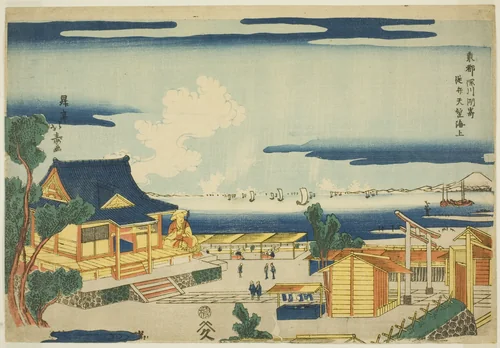
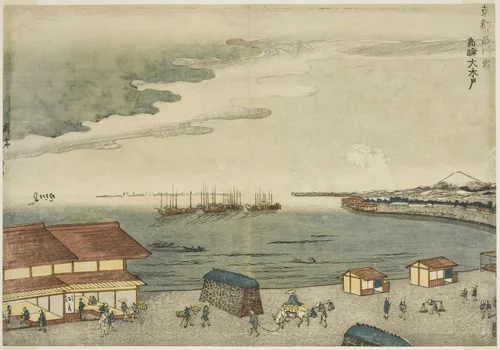
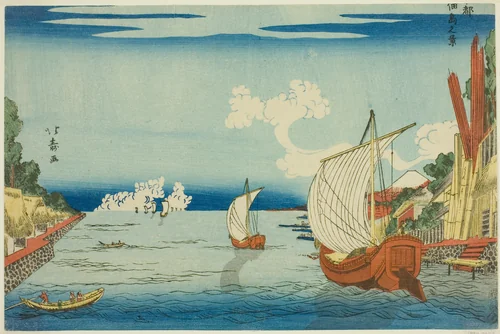
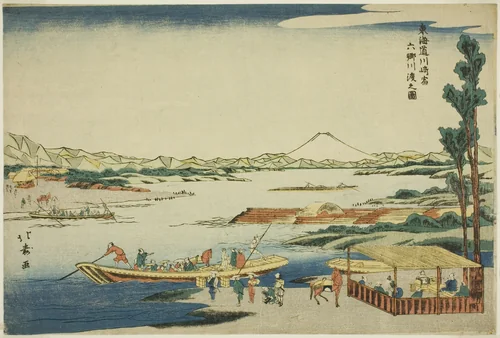
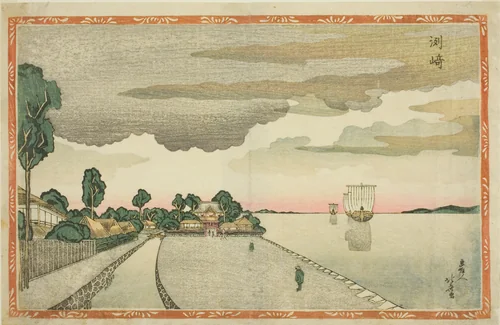
Notable works in museum collections include subjects drawn from major series, such as View of the Rokugo River Crossing at the Kawasaki Station from the series "Tokaido Road (Tokaido)." Other documented works, drawn from the series "Eastern Capital (Toto)," depict famous sites like Looking out to Sea from the Benten Shrine at Susaki in Fukagawa (Fukagawa Susaki Benten yori kaijo o nozomu), Takanawa Okido at the Shinagawa Station (Shinagawa-juku Takanawa Okido), and View of Tsukuda Island (Tsukudajima no kei). The inclusion of these works in established institutions allows for the study of Shotei Hokuju prints today.
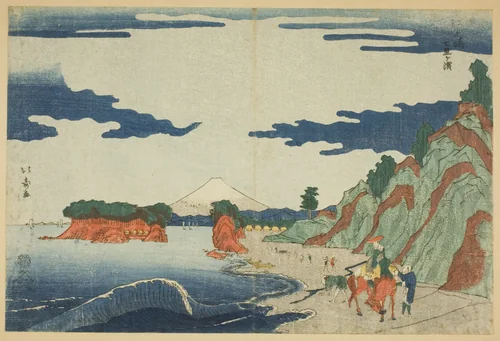
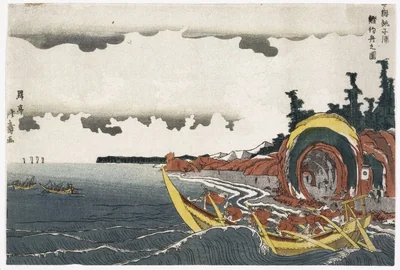
Shotei Hokuju's limited but documented output of landscape views, including the standalone print Shichiri Beach at Enoshima (Enoshima Shichirigahama), provides insight into the period's evolving perspective toward spatial depth and scenic representation. These museum-quality works are often available as downloadable artwork for scholarly and personal use due to their age, ensuring the legacy of Shotei Hokuju continues.