Seth Wells Cheney
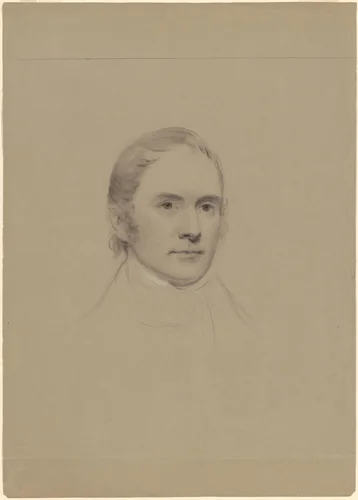
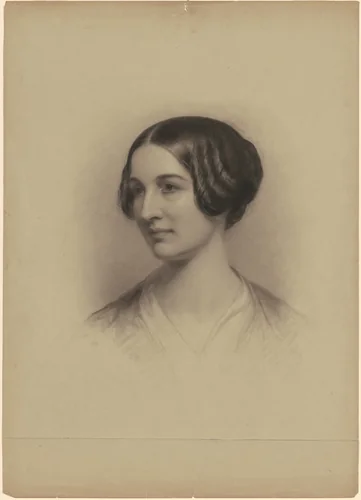
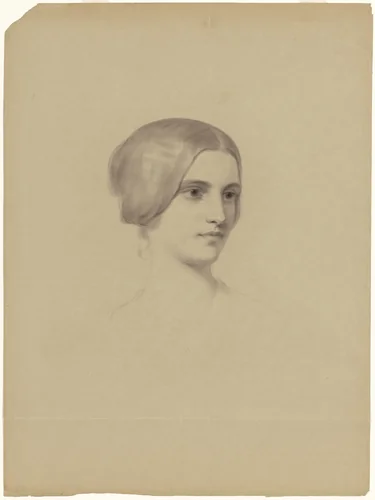
Seth Wells Cheney (1810-1840) is recognized as a foundational figure in American graphic arts, specifically distinguished as the pioneer of refined crayon work in the United States. Active primarily between 1830 and his untimely death, Cheney significantly elevated the use of crayon, moving the medium beyond simple preparatory sketches and transforming it into a highly sophisticated vehicle for finished portraiture and detailed figure studies. His technical precision and sensitive handling of light demonstrated that the medium could rival the effects achieved in more traditional oil painting or elaborate engraving.
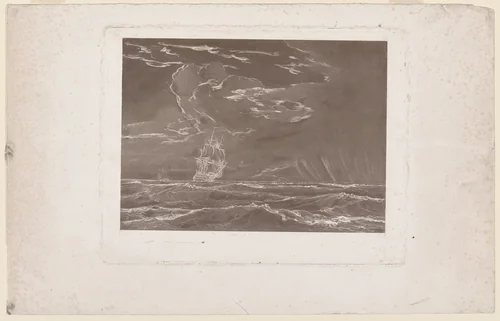
Cheney’s approach was characterized by a meticulous observation of his sitters, often rendered through subtle gradations of graphite and monochromatic crayon. His surviving body of work, though small-scale and concentrated, includes fifteen works held in major collections, confirming his importance to early 19th-century American draughtsmanship. The National Gallery of Art holds critical examples of his output, including the dynamic, early maritime scene Ship in a Squall and the delicate, intimate study Two Women [recto]. The relative scarcity of known works, encompassing fourteen drawings and only a single documented print, renders each surviving piece highly valuable for art historical assessment.
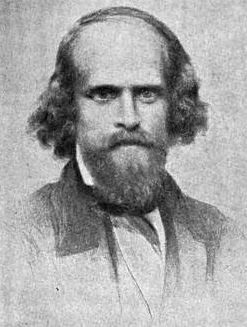
Intriguingly, Cheney demonstrated a particular intensity in self-examination; the frequent appearance of self-portraits in his extant catalogue, such as his various studies titled Self-Portrait, suggests an artist deeply committed to rigorous observation and internal scrutiny. This dedication to precise visual capture extended to his family, notably in the portrait study John Cheney.
Despite his brief career, Cheney secured crayon work a respected position within the American art establishment. Today, his legacy is maintained through institutional stewardship. The delicate nature of his medium means that access to his originals is often restricted, but the availability of high-quality prints and downloadable artwork derived from his collection allows for sustained scholarly engagement. Many of these important Seth Wells Cheney prints are now available within the public domain, ensuring that this pioneer’s delicate, expressive technique remains accessible for study worldwide.
Source: Wikipedia · CC BY-SA 4.0
![Two Women [recto] by Seth Wells Cheney, drawing, 1825-1855](https://img.artbee.org/9107b9c0-6214-4ba7-a142-886944599488/small.webp)
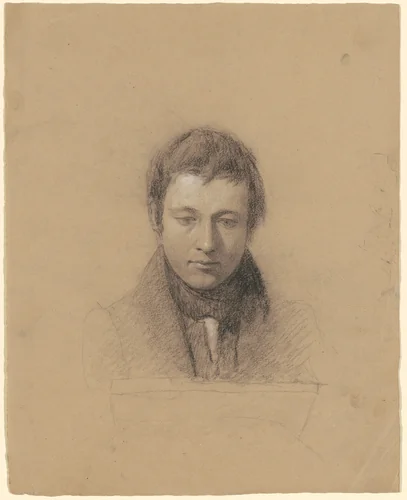
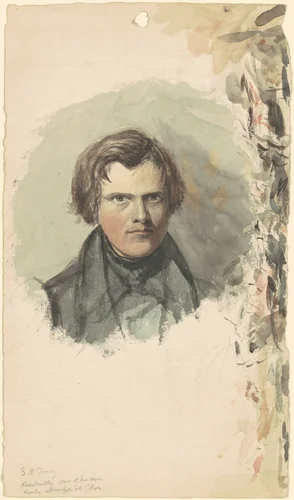
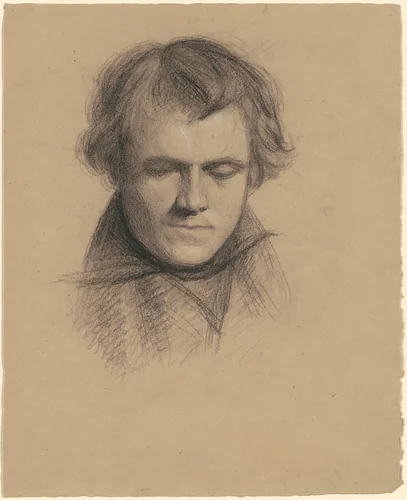
![Self-Portrait [recto] by Seth Wells Cheney, drawing, 1830-1840](https://img.artbee.org/88ed3b2d-3a9f-423c-b686-2da17447bf8c/small.webp)
![Young Woman, Florence [recto] by Seth Wells Cheney, drawing, 1839](https://img.artbee.org/c82ff28f-717b-47a5-b543-4d86b1ed2fd5/small.webp)