Seneca Ray Stoddard
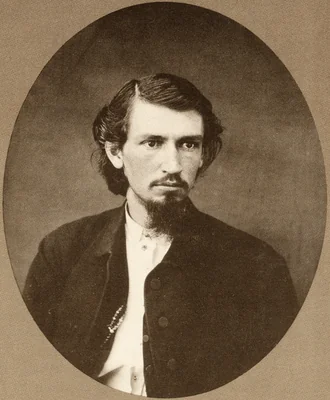
Seneca Ray Stoddard (1844-1917) stands among the most influential American landscape photographers of the late nineteenth century, fundamentally shaping the visual identity and recreational future of New York’s Adirondack Mountains. Known for his comprehensive documentation of the region, Stoddard was more than a photographer; his multifaceted career embraced roles as a prolific travel writer, naturalist, cartographer, and poet. His integrated approach ensured his extensive body of work was not merely descriptive but deeply persuasive, advocating both for the careful preservation and the public enjoyment of the American wilderness.
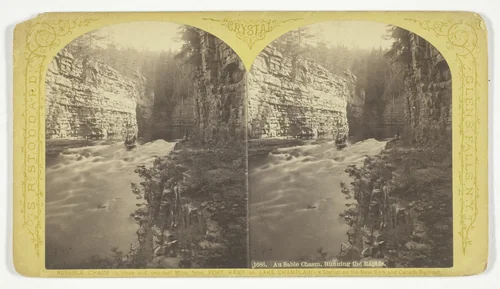
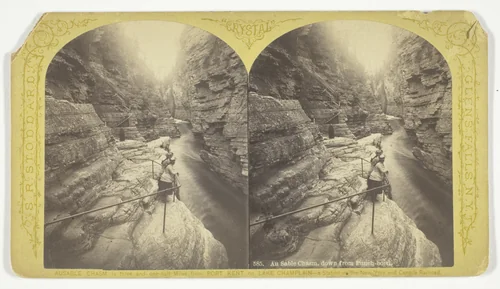
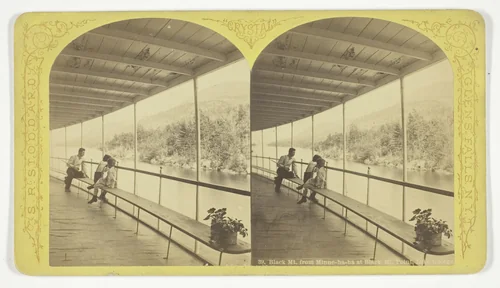
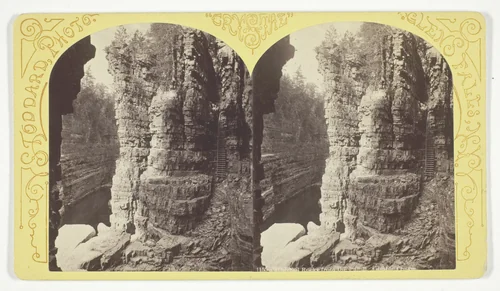
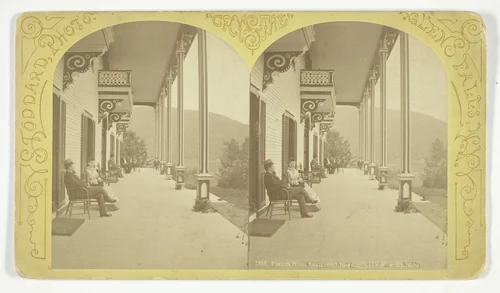
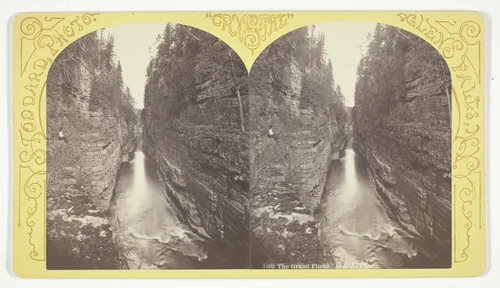
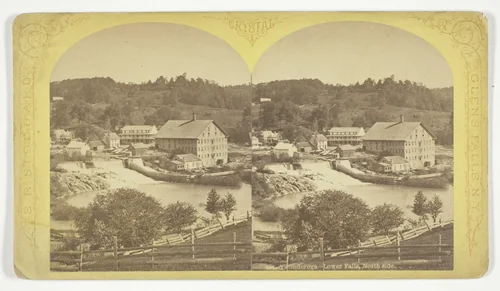
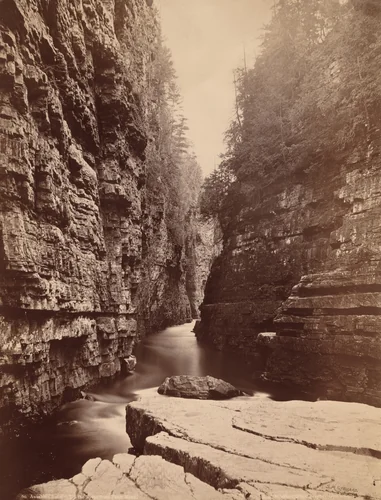
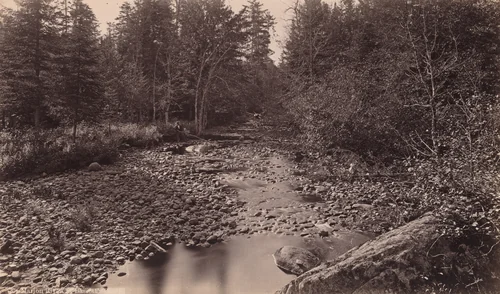
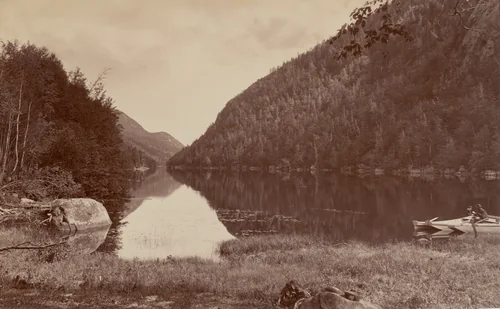
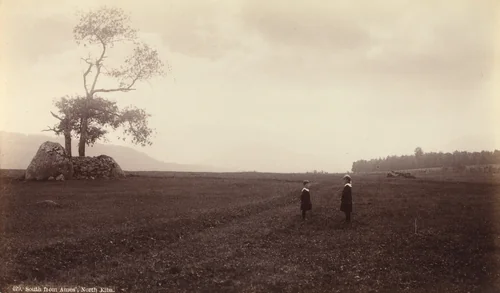
Active primarily between 1870 and 1883, Stoddard utilized the demanding large-format wet-plate process to capture the specific drama of the Northern New York landscape. His work, often released in meticulously numbered photographic series such as "Crystal," provided travelers and collectors with an immediate, high-quality visual record of their destinations. Specific images like Au Sable Chasm, Running the Rapids (No. 1686) or Black Mt. from Minne-ha-ha at Black Mt. Point, Lake George exemplify his keen compositional skill in managing expansive vistas and intimate geographical features alike. His commitment to accuracy was such that his photographs served not only as aesthetic documents but as reliable sources for subsequent cartography.
Stoddard’s photographs and detailed guidebooks directly spurred regional tourism, contributing significantly to the political will required for the establishment of the Adirondack Park as a protected reserve. Though he was a skilled entrepreneur, the scope of his work suggested a restless spirit; he produced over 10,000 negatives in his career, yet he occasionally described photography as merely "a means of getting through the world."
The enduring quality of his compositions ensures their continued study. His photographic legacy persists in major institutions, including the Art Institute of Chicago and the National Gallery of Art, validating the museum-quality of his historic output. Today, because much of his archive is now in the public domain, allowing for free art prints and scholarly access, Stoddard remains essential for understanding the visual history of American conservation and the rise of documentary photography.
Source: Wikipedia · CC BY-SA 4.0