Seki Shūkō
Seki Shūkō is an artist known primarily through a brief but documented period of activity spanning 1890 to 1892. Records indicate that fifteen paintings by the artist are currently represented in established museum collections.
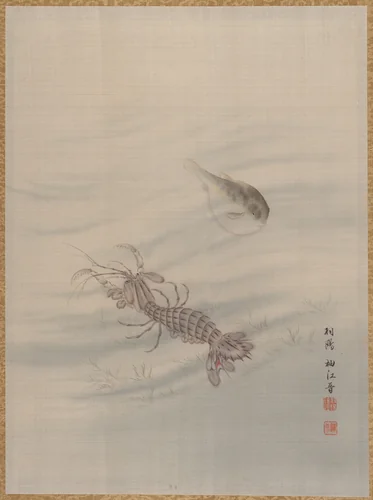
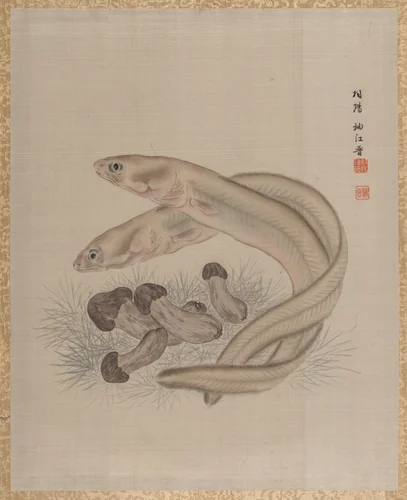
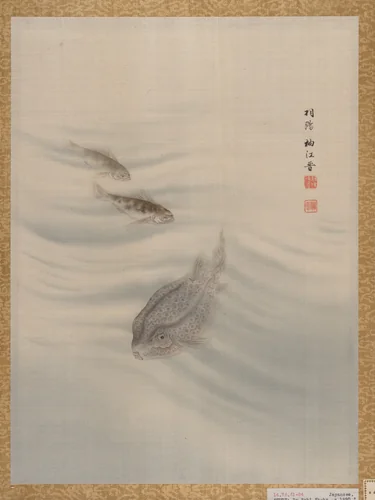
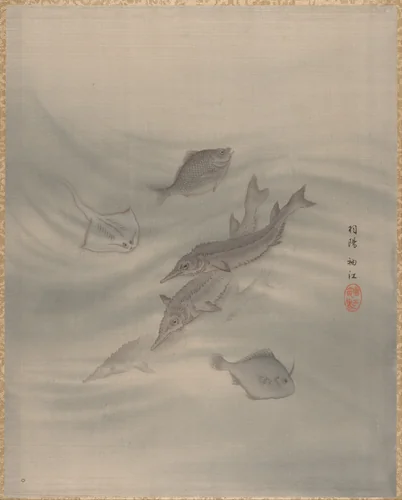
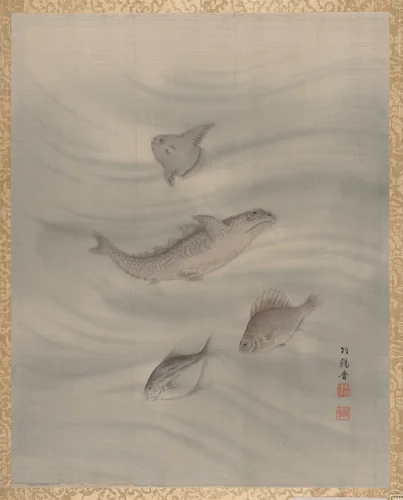
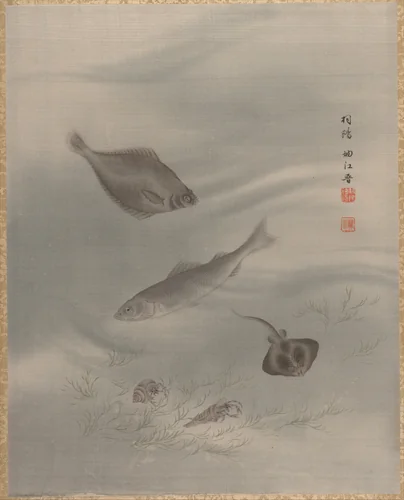
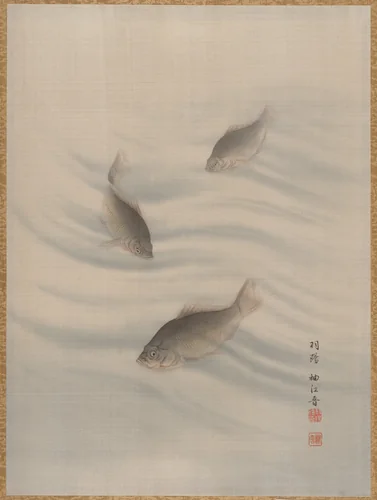
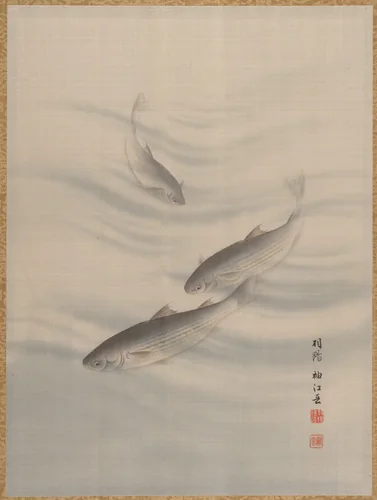
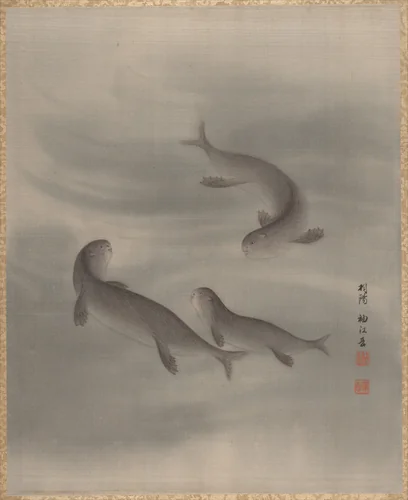
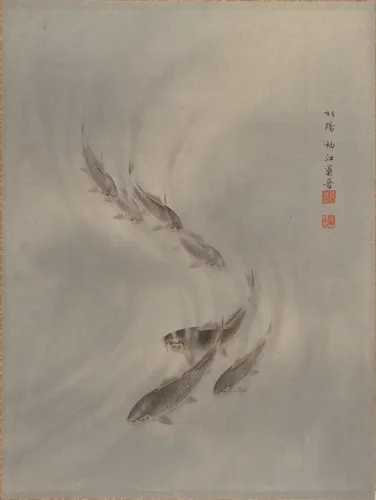
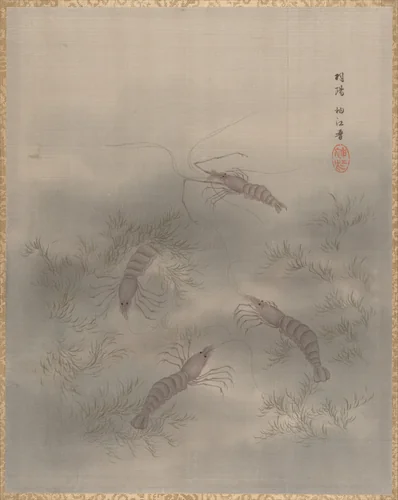
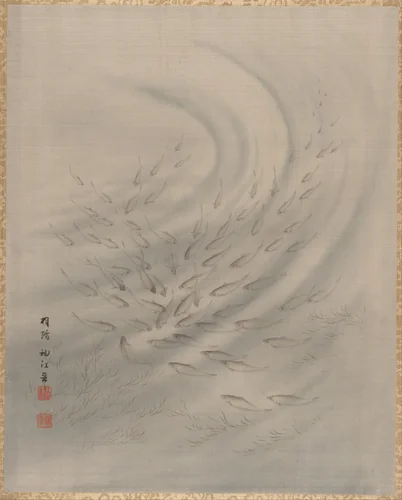
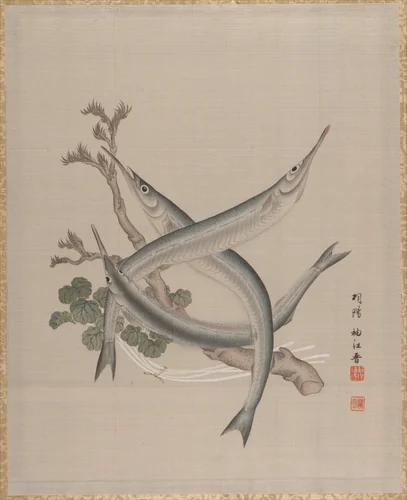
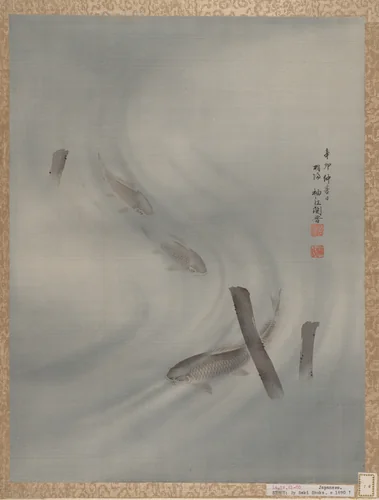
Shūkō’s artistic output focused intensely on observational studies of natural history, specifically aquatic and marine subjects. This specialization in detailed, illustrative depictions of flora and fauna is evidenced by the titles of the works preserved in institutional holdings.
The principal repository for Shūkō’s documented body of work is the Metropolitan Museum of Art, which holds all fifteen known paintings. These preserved works include specific naturalistic studies such as Bottom of the Sea Showing Cray Fish and Eels, along with several works simply titled Fishes.
The preservation of the Seki Shūkō paintings in such a major institution establishes the artist’s significance within the context of late 19th-century observational art. Furthermore, the documentation of these works in the public domain ensures broad access to the artist’s legacy. Today, researchers and collectors interested in these specific subjects can often find Seki Shūkō prints, allowing for the study and dissemination of high-quality prints derived from the museum’s collection.