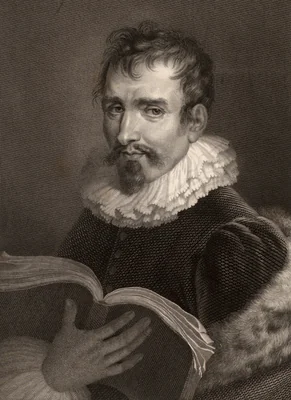
Sebastiano Serlio
Sebastiano Serlio (1475-1554) stands as a pivotal figure in sixteenth-century European architecture, bridging the Italian High Renaissance and the emerging Mannerism. Although an architect by trade, responsible for contributing to the Italian team overseeing the Palace of Fontainebleau, his enduring legacy is primarily literary. He is credited with translating the sophisticated, scholarly principles of classical design into practical, widely accessible instruction for a new generation of builders.
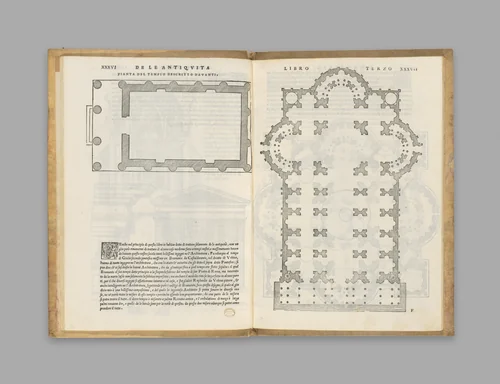
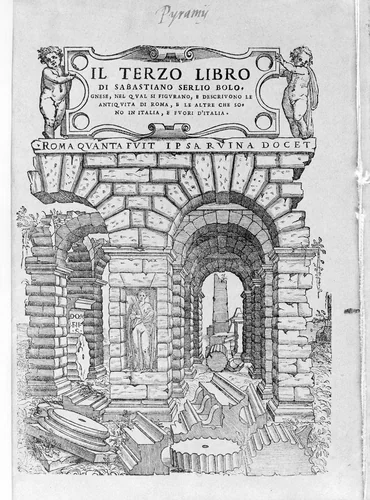
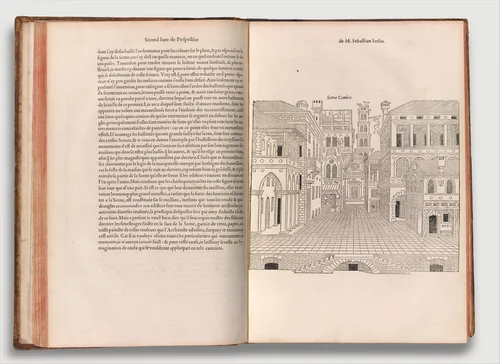
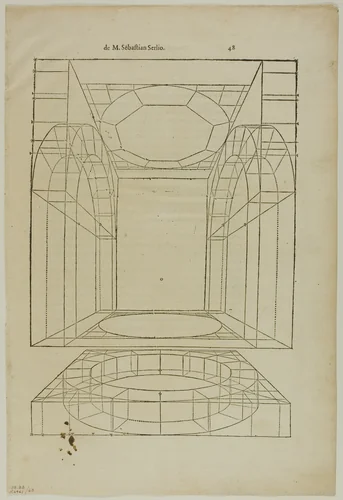
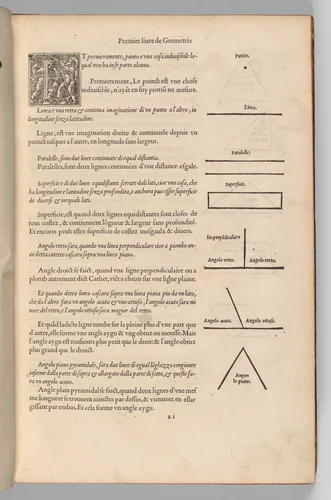
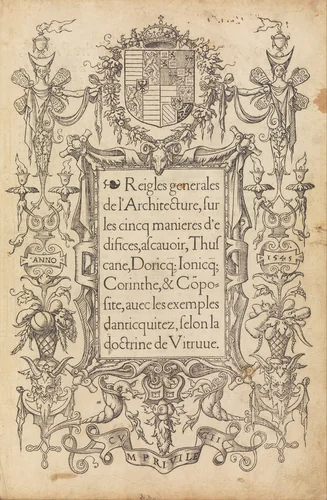
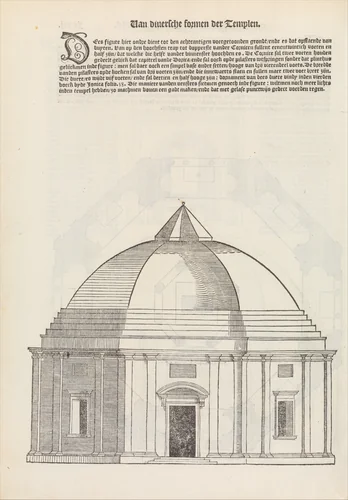
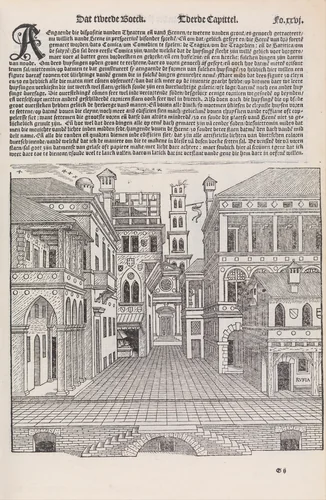
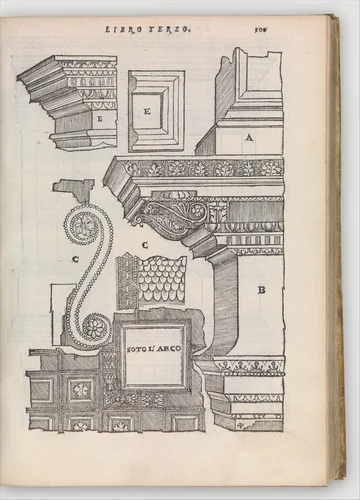
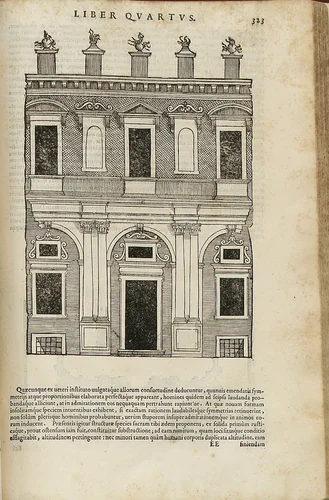
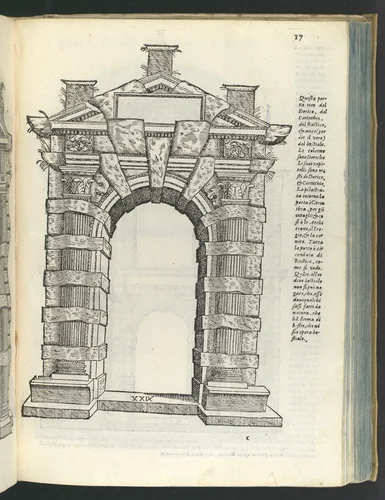
Serlio’s magnum opus, variously known as I sette libri dell'architettura (The Seven Books of Architecture) or Tutte l'opere d'architettura et prospetiva, fundamentally changed the way classical antiquity was understood and applied. Through his influential, heavily illustrated volumes, such as the crucial Il terzo libro di Sabastiano Serlio Bolognese, he effectively canonized the five classical orders (Doric, Ionic, Corinthian, Tuscan, and Composite). He provided measured and standardized depictions that would define design instruction for centuries. His clear, diagrammatic approach made the complex geometry of classical forms digestible, rapidly propagating Renaissance style far beyond Italy.
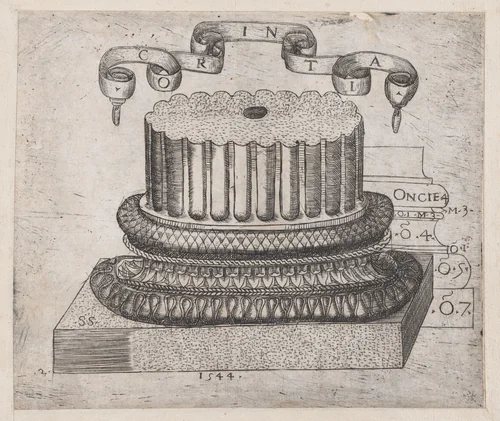
The versatility of Serlio’s approach is evident not only in his theoretical output, totaling nine books and two prints, but also in the geographic reach of his influence. While working alongside colleagues on major projects, he mastered the art of dissemination; he was perhaps the first architect to understand that the blueprint, not the building site, was the true location of global power. His detailed drawings and prints, such as the Corinthian base, from "Speculum Romanae Magnificentiae", served as essential reference materials for designers across the continent.
Today, Serlio’s meticulous studies and influential architectural prints are housed in major institutional holdings, including the Metropolitan Museum of Art and the Art Institute of Chicago. The historical impact of these works, which are now largely in the public domain, allows contemporary viewers access to the foundational texts of Renaissance theory. Scholars and enthusiasts frequently access these works as downloadable artwork. This sustained interest ensures that Serlio’s pioneering standardization of classical forms remains a vital source for architectural history, often replicated as high-quality prints.
Source: Wikipedia · CC BY-SA 4.0