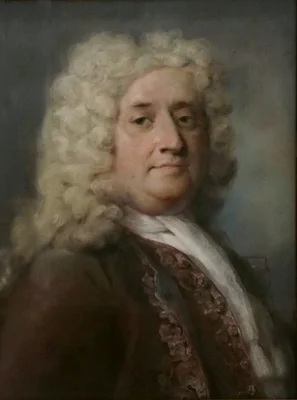
Sebastiano Ricci
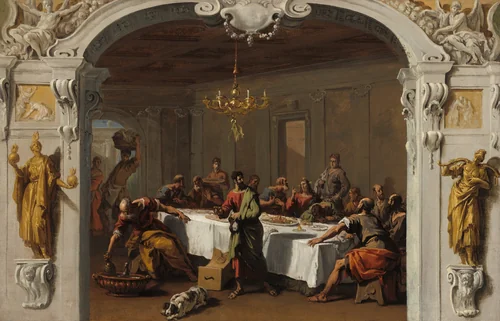
Sebastiano Ricci (1659-1720) stands as a pivotal figure in the evolution of Venetian painting, a master whose long career provided a crucial bridge between the high drama of the 17th-century Baroque and the nascent brilliance of the 18th-century Rococo. Active alongside Giuseppe Maria Crespi and the slightly younger Piazzetta, and acting as an elder contemporary to Giovanni Battista Tiepolo, Ricci successfully updated the monumental decorative tradition for a new century, securing his place as one of Europe’s most sought-after fresco painters.
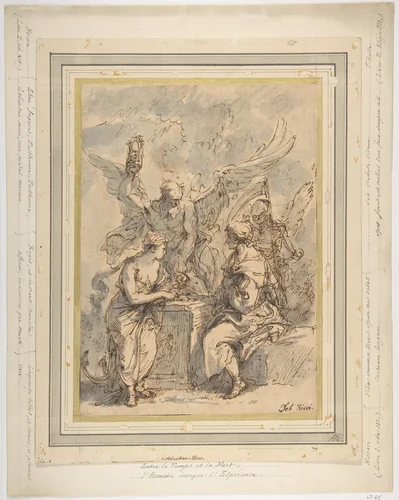
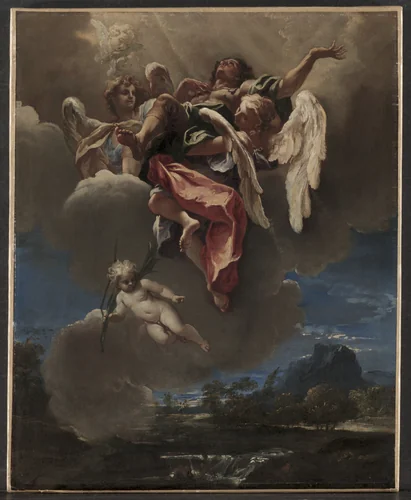
Ricci’s distinctive style is characterized by a luminous, vigorous, and often theatrical grandeur derived from the Roman school, specifically the decorative intensity of Pietro da Cortona. He skillfully translated this Cortonesque aesthetic into a uniquely Venetian idiom, marked by an expansive palette and exceptional clarity of light. This grand manner approach is immediately apparent in his celebrated complex compositions, such as the dynamic Allegory with Figures of Hope, Time, and Death, where movement and storytelling are rendered with immediate impact.
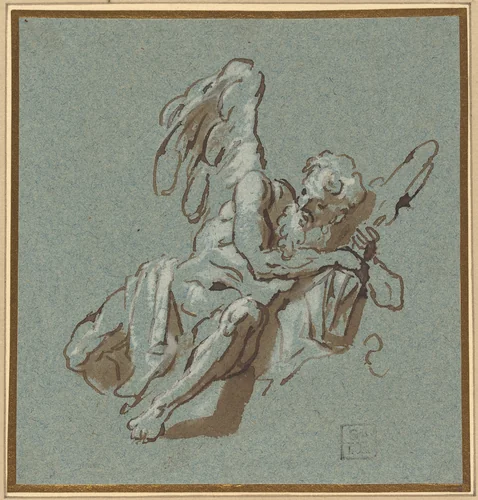
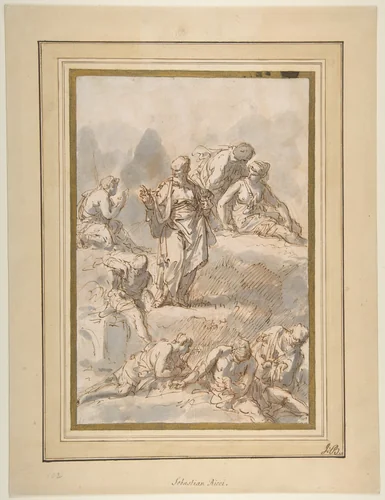
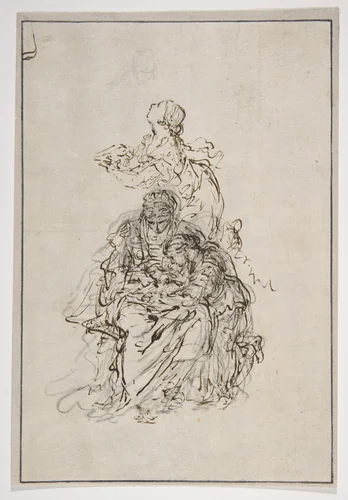
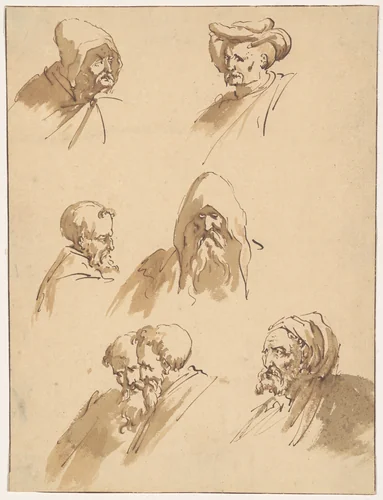
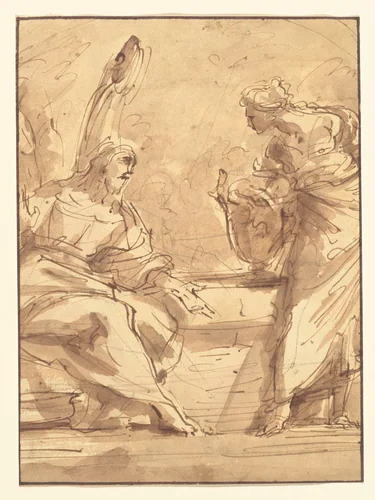
Though revered for his large-scale commissions, Ricci was equally skilled in intimate works and detailed preparation. His sustained interest in human form and gesture is cataloged across numerous studies, including the precise renderings in Figure Studies and the pedagogical composition for Studies for an Education of the Virgin: Saint Anne Teaching the Virgin to Read. These drawings reveal the rigorous foundation beneath his seemingly effortless finished works.
Ricci enjoyed extraordinary international success, with significant commissions across Europe, solidifying the reputation of Venetian painting abroad. A subtle observation of his long career reveals that while he frequently looked backward to the dynamism of the High Baroque for structural inspiration, his sophisticated handling of dazzling light continually propelled painting forward, ensuring the exuberant decorative flair of the previous century endured, rather than fading gently into academicism.
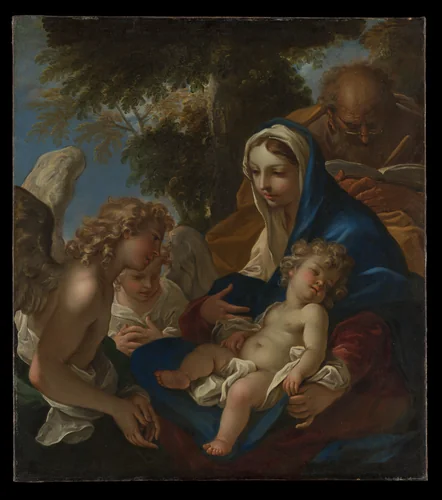
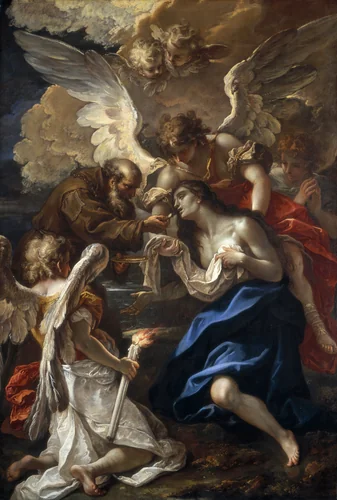
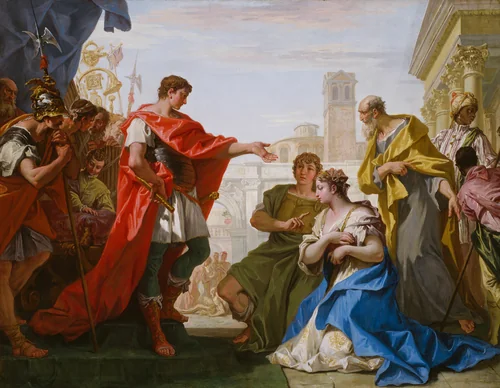
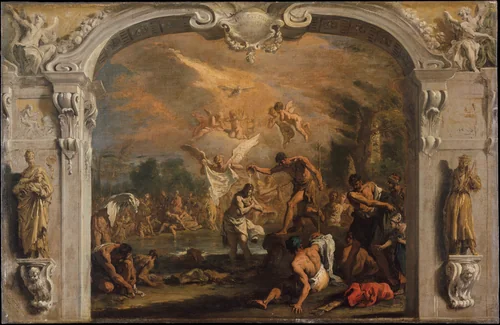
Today, the breadth of Sebastiano Ricci paintings and drawings is preserved in museum-quality collections worldwide, including the Metropolitan Museum of Art and the National Gallery of Art. Many of his preliminary sketches and masterful works are now found within the public domain, allowing enthusiasts and scholars immediate access to high-quality prints and downloadable artwork, furthering the appreciation of this foundational late Baroque master.
Source: Wikipedia · CC BY-SA 4.0
![Biblical Scene [verso] by Sebastiano Ricci, drawing, 1720-1730](https://img.artbee.org/455f8ad5-6789-4890-934a-95645b356a0d/small.webp)
![The Ecstasy of Saint Francis [recto] by Sebastiano Ricci, drawing, 1720-1730](https://img.artbee.org/ac78bc8f-45ac-4cf9-b086-89c7efd466cd/small.webp)