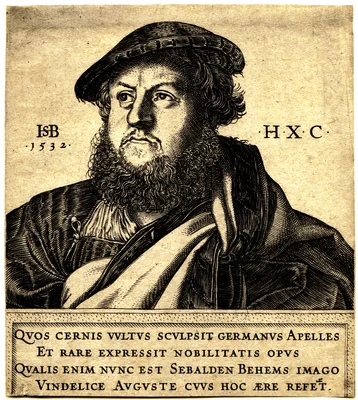
Sebald Beham
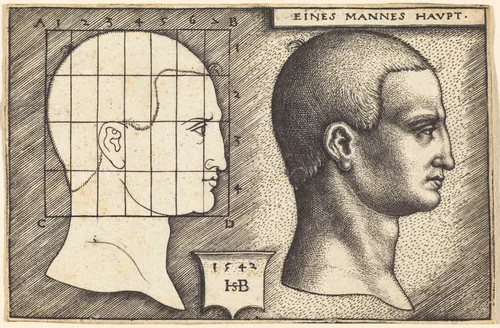
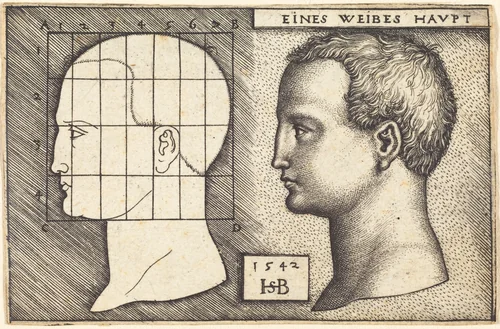
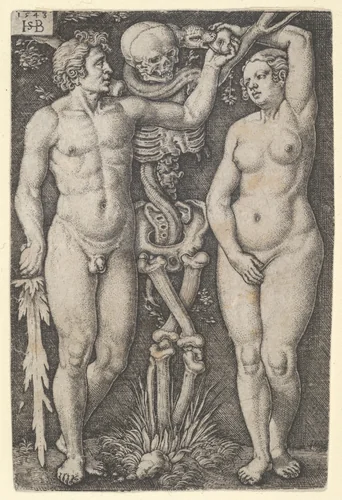
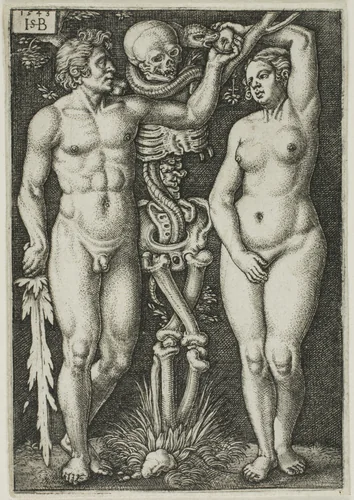
Sebald Beham (1500–1550) was a pivotal German painter and printmaker whose detailed, miniaturist work defined the trajectory of Northern Renaissance graphic art in the generation immediately following Albrecht Dürer. Active from approximately 1500, Beham began his career in his native Nuremberg before settling in Frankfurt for his later and most productive years. He is recognized as one of the preeminent members of the "Little Masters," a designation earned by a select group of artists who specialized in creating exceptionally small, highly detailed engravings.
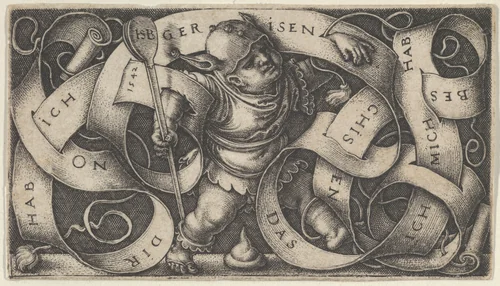
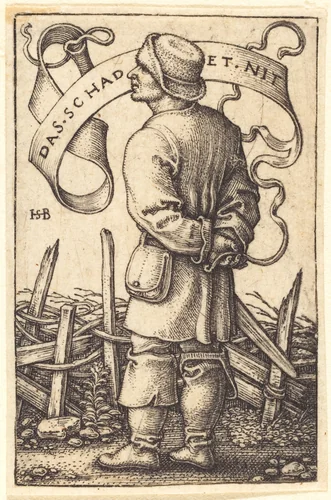
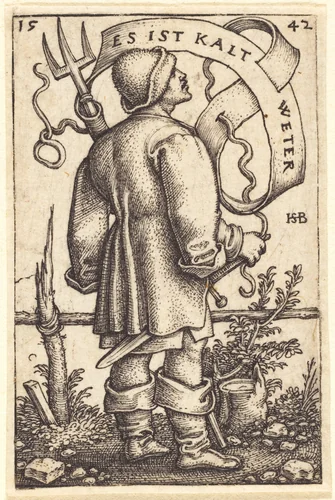
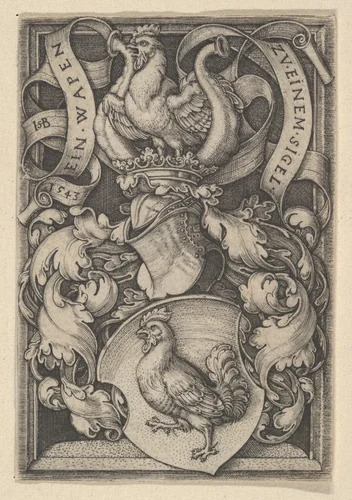
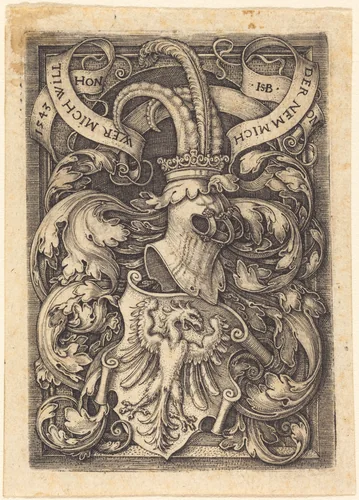
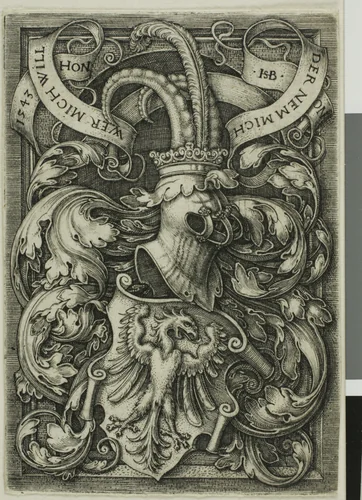
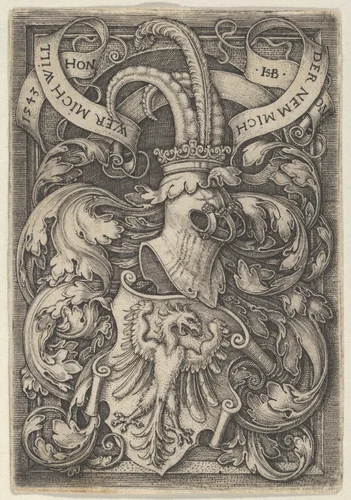
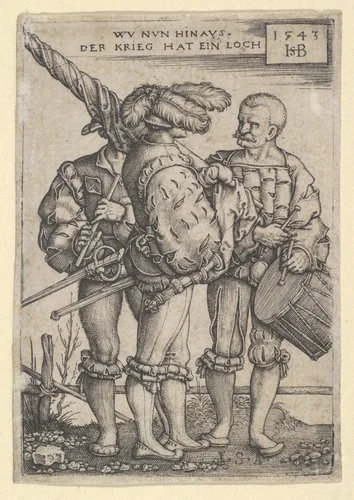
Beham’s technical command of the burin was arguably unparalleled at this miniature scale. While surviving documents indicate he worked as a painter, his enduring legacy rests firmly on his prolific output of high-quality prints. These works, often no larger than a modern playing card, allowed for a remarkable density of line and narrative, making them highly portable and sought after by collectors across Europe. His prints explored diverse thematic interests, ranging from complex allegories, such as the personifications Arithmetria and Astrologia from "The Seven Liberal Arts" series, to classical mythologies and decorative compositions.
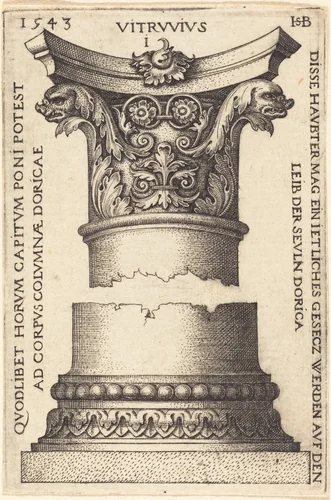
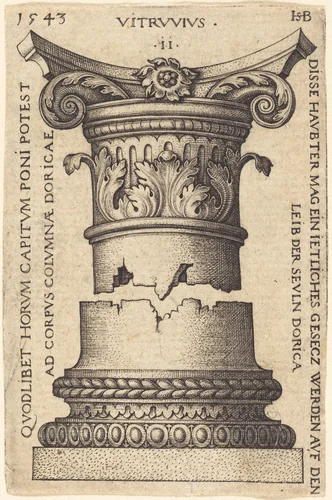
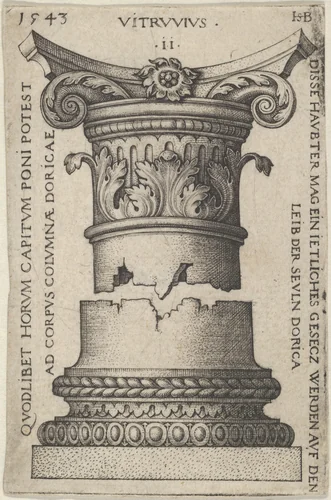
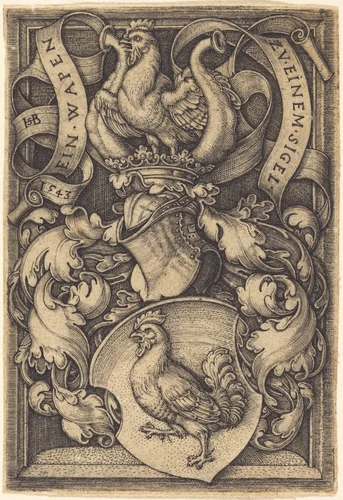
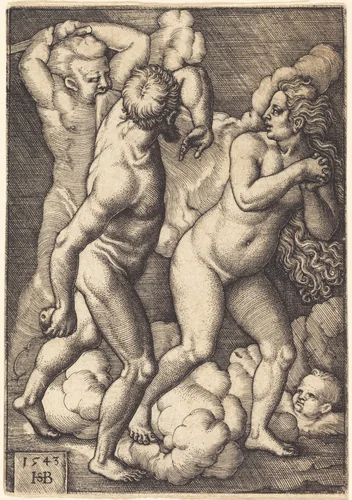
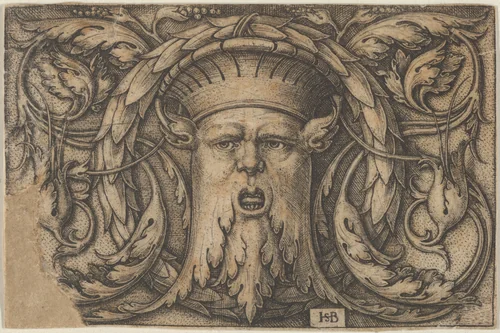
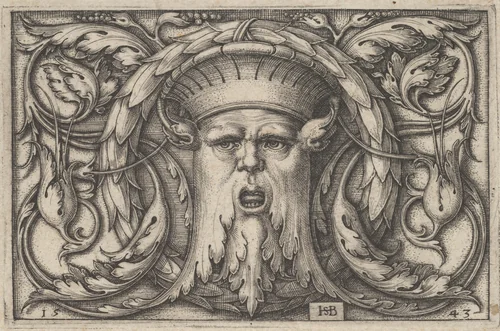
His subject matter frequently showcased the emerging taste for ornamentation and classical narrative, exemplified by the sensual movement captured in the Dance of the Gods of Love or the intricate detail of the Frieze with a Horned Male Figure at Center. Beham treated grand mythological scenes and purely decorative motifs with the same intimate precision, demonstrating a deep awareness of both high art traditions and the commercial demands of the era. It is perhaps a subtle testament to the acumen of the Little Masters that such powerful imagery was compressed into sizes suitable for private contemplation or placement within emerging book formats.
Beham’s ability to disseminate sophisticated imagery helped establish fundamental links between Northern Renaissance graphic art and a rapidly expanding print market. His substantial body of work, much of which is now in the public domain, is considered essential viewing for understanding 16th-century German artistic practice. Today, his masterpieces are housed in premier institutions worldwide, including the Metropolitan Museum of Art and the National Gallery of Art, with the ready availability of downloadable artwork allowing contemporary viewers to examine the meticulous craftsmanship of these museum-quality prints firsthand.
Source: Wikipedia · CC BY-SA 4.0