Sean Scully
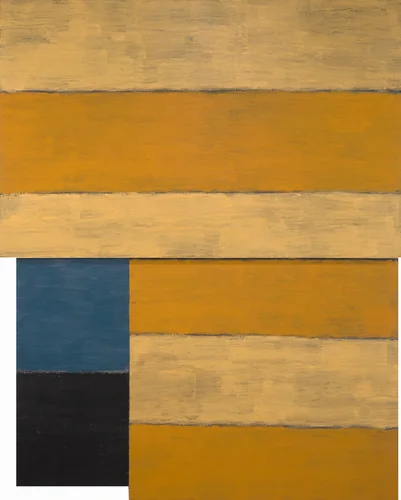
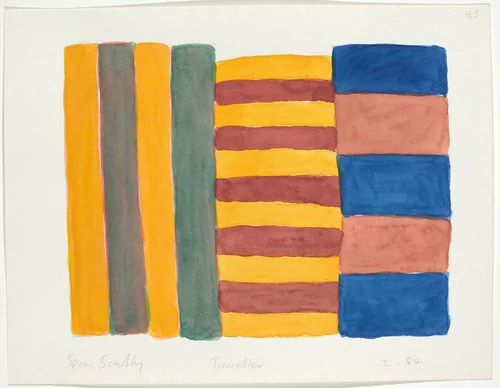
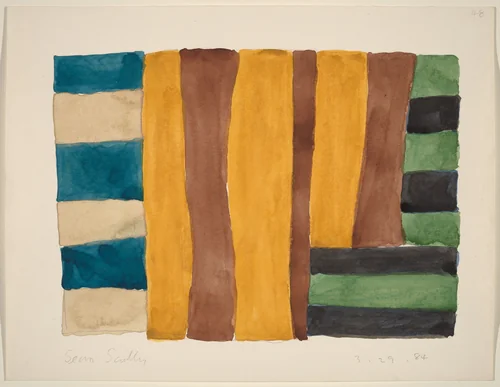
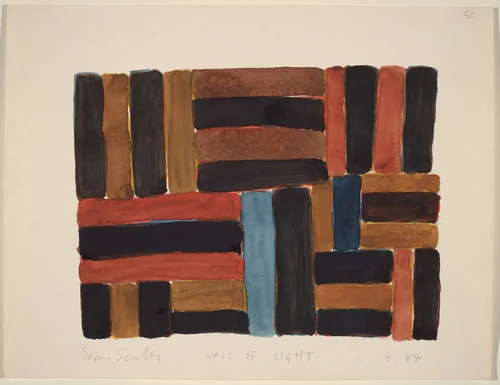
Sean Scully is an internationally significant Irish-born American artist recognized for fundamentally redefining the trajectory of abstract painting in the late twentieth century. Working prolifically across painting, printmaking, sculpture, and photography, Scully’s work is held in the permanent collections of major museums worldwide, confirming his status as a canonical figure in post-war abstraction.
His crucial artistic innovation crystallized following his 1975 relocation from London to New York City. This geographic move marked a corresponding intellectual and aesthetic redirection. At a moment when reductive Minimalism dominated intellectual discourse, Scully pioneered a decisive counter-movement. He consciously abandoned the pared-down, often sterile formal vocabulary of late Minimalism in favor of structural complexity, rich color dynamics, and tactile materiality, leading critics to define his mature style as Emotional abstraction.
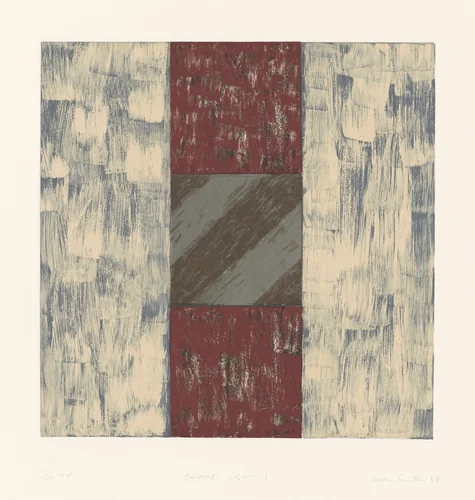
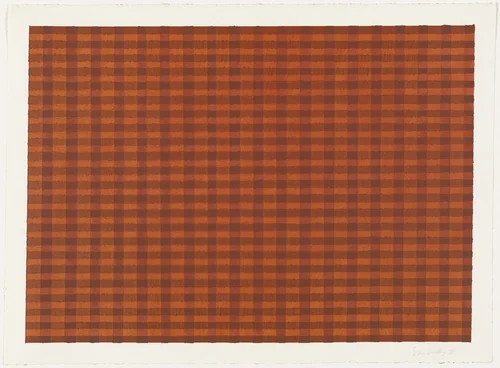
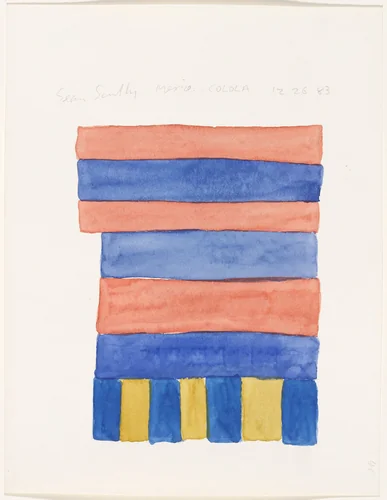
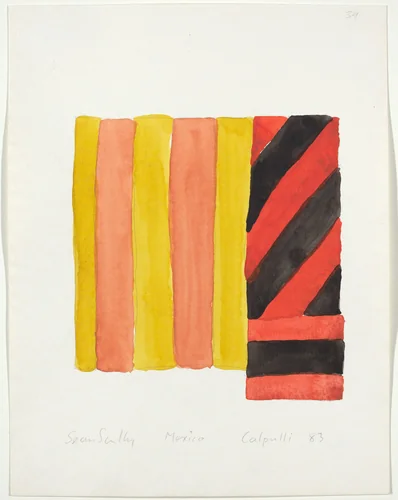
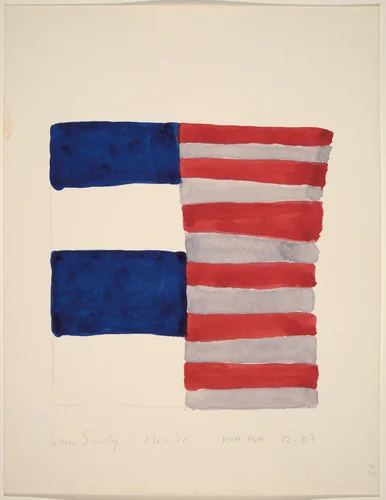
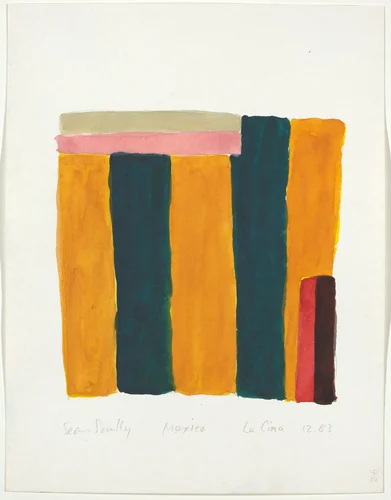
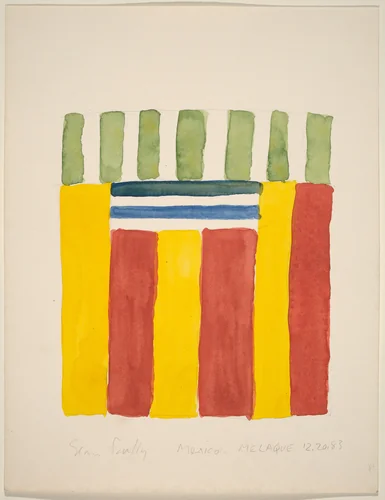
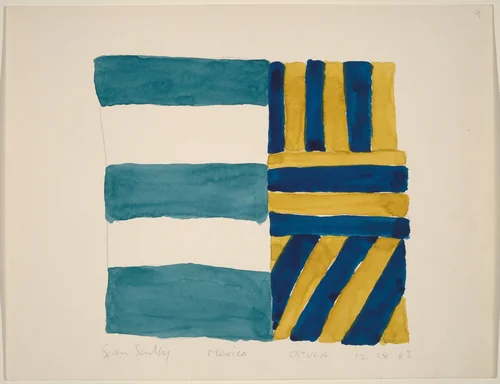
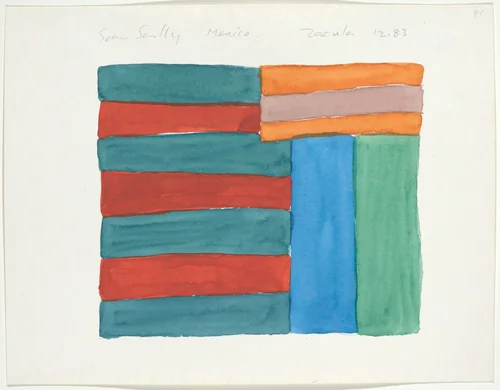
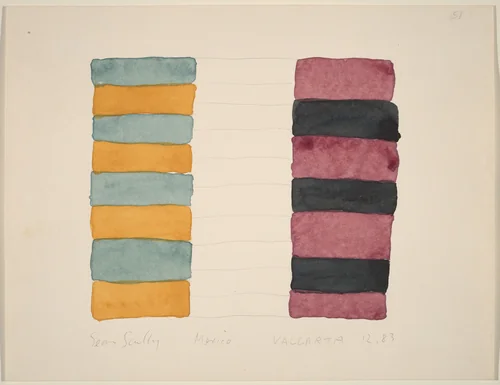
Scully’s shift returned metaphor and a spiritual dimension to abstract painting, transforming the geometric stripe and the grid into deeply resonant subjects. His canvases are monumental, built up through complex layering that establishes both weight and a palpable sense of internal rhythm. Despite the emotional openness of his approach, his work never sacrifices the rigorous compositional structure inherited from his earlier, stricter period, proving that formal discipline and expression are not mutually exclusive pursuits.
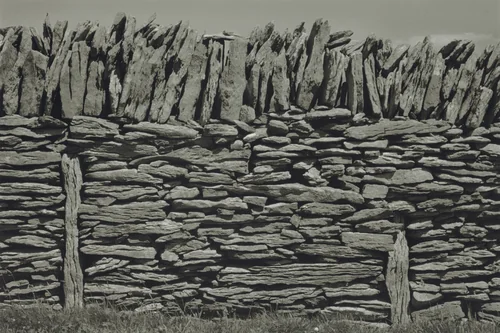
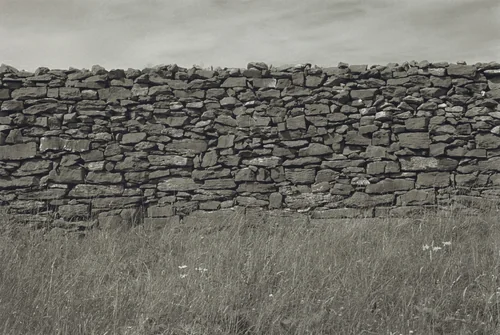
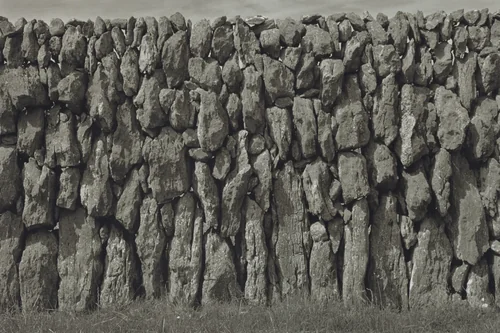
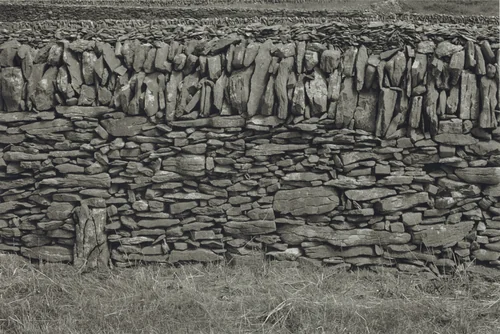
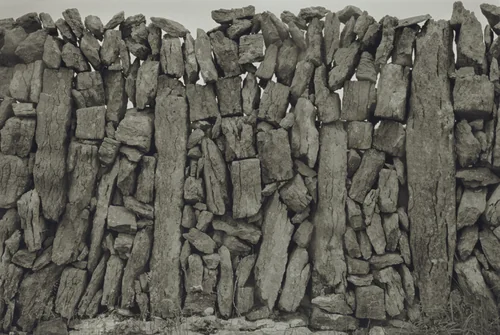
This dedication to combining the monumental with the intimate has secured Scully repeated institutional recognition, including two nominations for the prestigious Turner Prize. The expressive power found within Sean Scully paintings ensures their continued importance in modern art history. Furthermore, his early graphic and photographic works, such as those from the Aran series, offer fascinating insight into his structured approach to surface. These images are often available to collectors as high-quality prints, recognized globally for their museum-quality finish and historical depth.
Source: Wikipedia · CC BY-SA 4.0
![[untitled] by Sean Scully, drawing, 1984](https://img.artbee.org/fc8cf765-47a7-4608-b00e-09dd9608caed/small.webp)