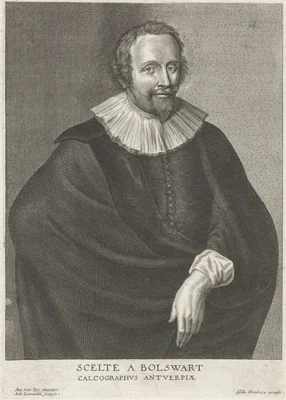
Schelte Adams Bolswert
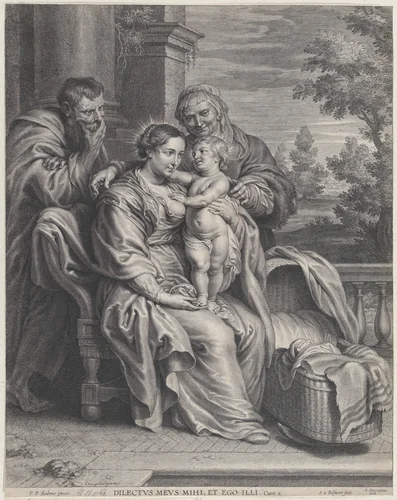
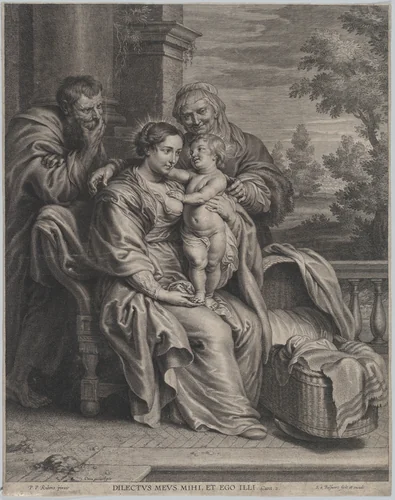
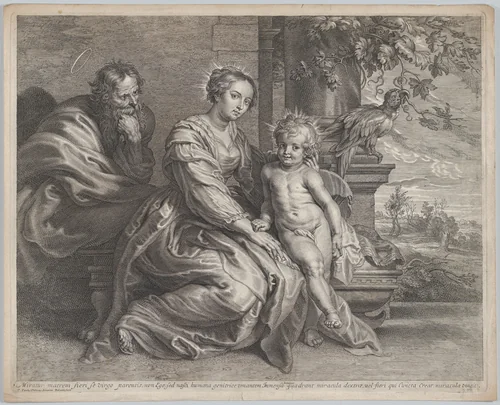
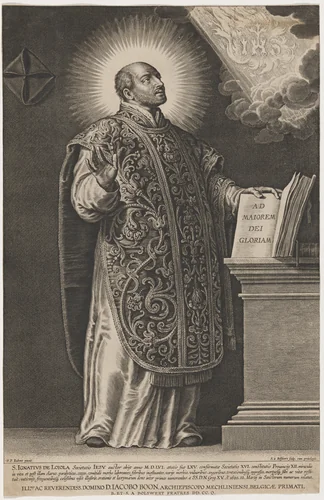
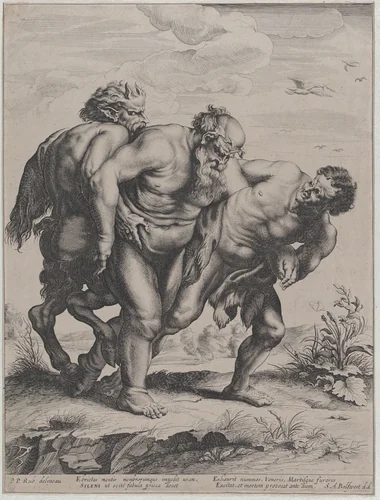
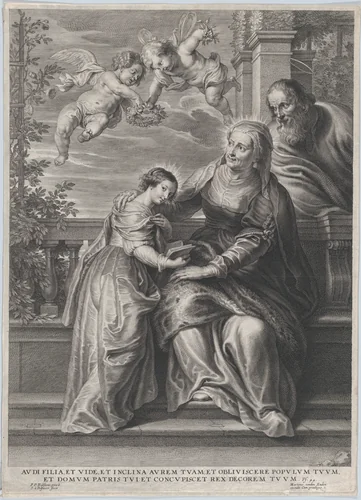
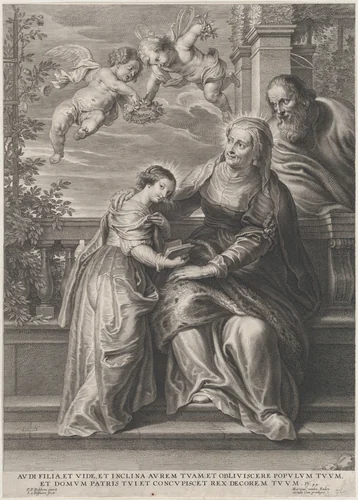
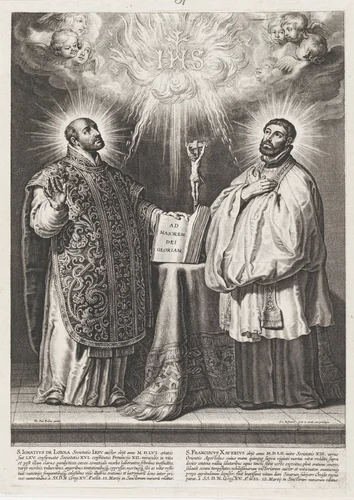
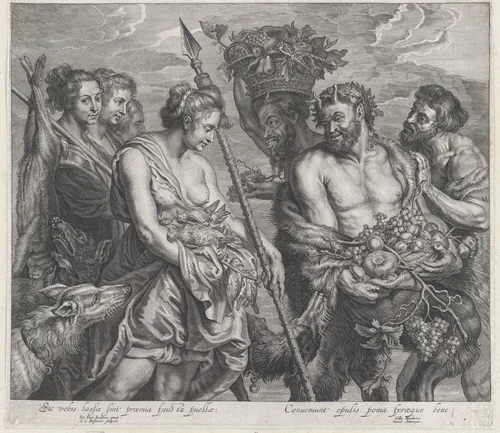
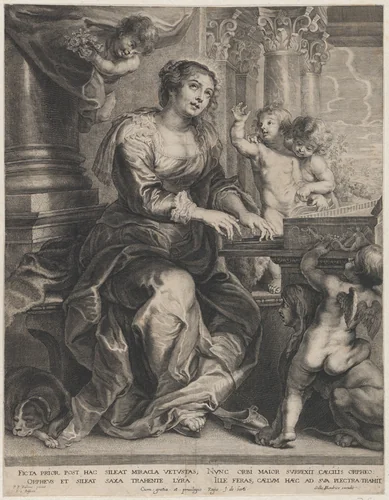
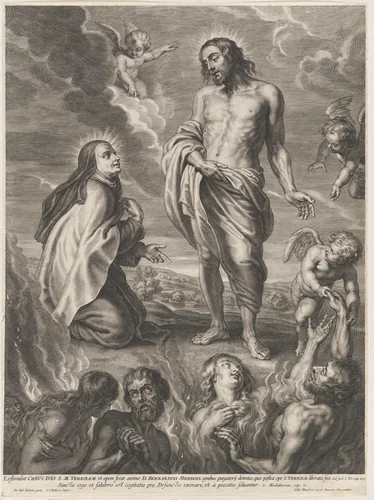
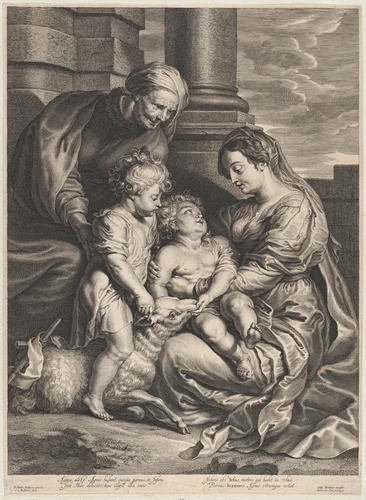
Schelte Adams Bolswert (c. 1580-1586) holds a central, though often infrastructural, position in the history of seventeenth-century Northern European printmaking. A native Frisian, Bolswert established his definitive career in Antwerp, the undisputed epicenter of Baroque art in the Low Countries. His historical significance lies in his appointment as one of the primary engravers operating out of the workshop of Peter Paul Rubens. Bolswert was not merely a copyist; he was the essential conduit through which the revolutionary energy and compositional genius of Rubens and Anthony van Dyck were translated into the widely distributable medium of the print.
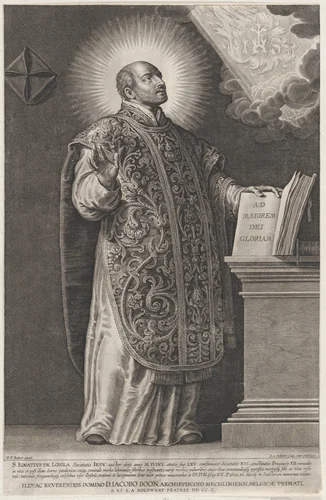
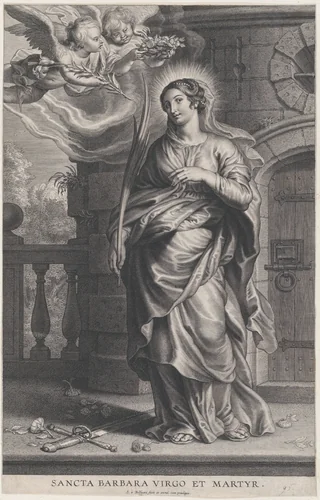
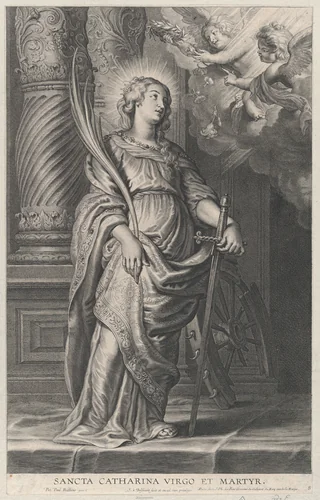
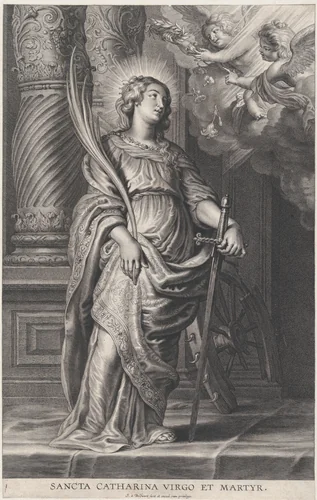
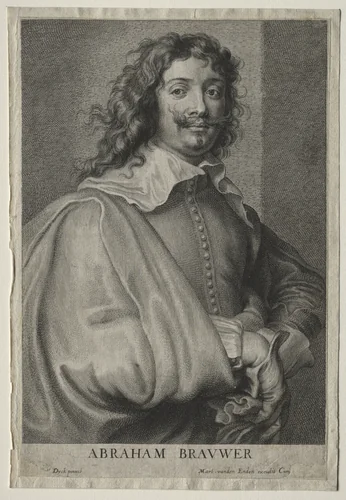
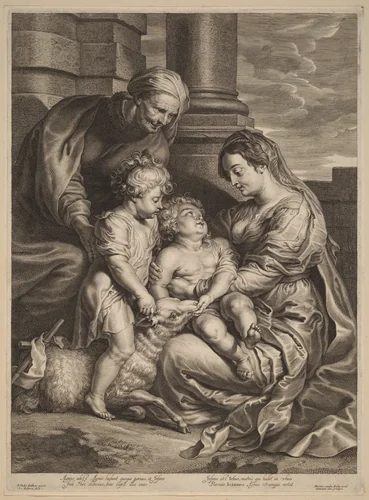
The task of converting Rubens' spontaneous, often turbulent oil sketches and vast color canvases into controlled, monochromatic lines demanded exceptional technical discipline and an intimate understanding of tonality. Bolswert mastered this translation, ensuring that the visual lexicon of the leading Flemish masters permeated European culture. His reproductive works, for which he is renowned, include historical narratives like Moses and the Brazen Serpent, as well as numerous stately portraits after Van Dyck.
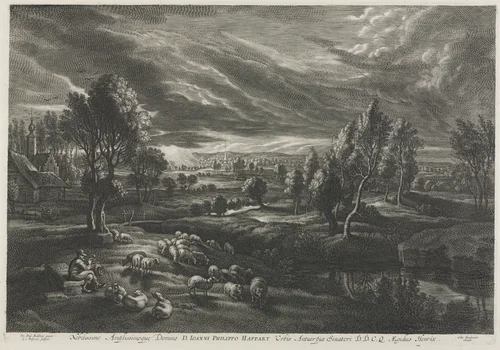
It is particularly telling that Bolswert dedicated his focus almost exclusively to this reproductive specialization, ensuring the legacy of others while securing his own reputation for high-quality prints. His output extended significantly into the realm of landscape. Bolswert possessed a remarkable affinity for capturing dramatic atmosphere, whether in the pastoral detail of Farm Landscape with Hunters and Milkmaids or the sweeping drama of Landscape with a Large Rainbow. Similarly, the rendering of light and shadow in architectural studies, such as Landscape with Large Roman Ruins, underscores his profound technical capacity to evoke textural difference solely through the manipulation of line.
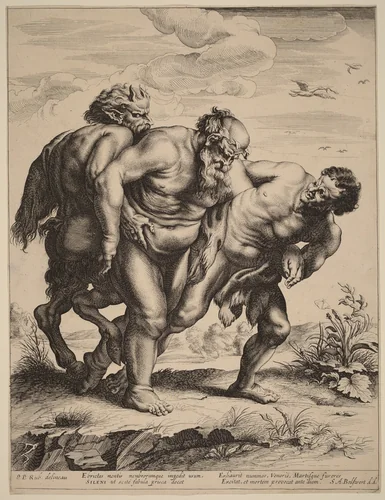
While the artist did not produce Schelte Adams Bolswert paintings, his detailed engravings are the indispensable documents of Flemish Baroque composition. Fifteen of his prints, spanning the period of his identified activity, are conserved in major institutional collections, including the National Gallery of Art. These museum-quality works, which have since entered the public domain, provide scholars and enthusiasts with access to invaluable downloadable artwork, certifying Bolswert's enduring role as the master printmaker responsible for disseminating the power of the Rubensian vision.
Source: Wikipedia · CC BY-SA 4.0