Sanford Robinson Gifford
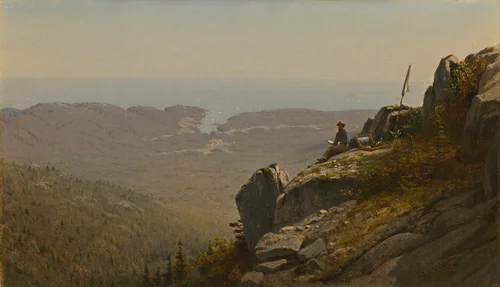
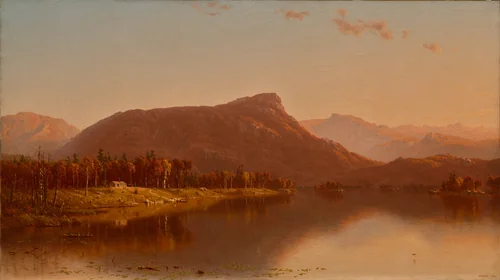
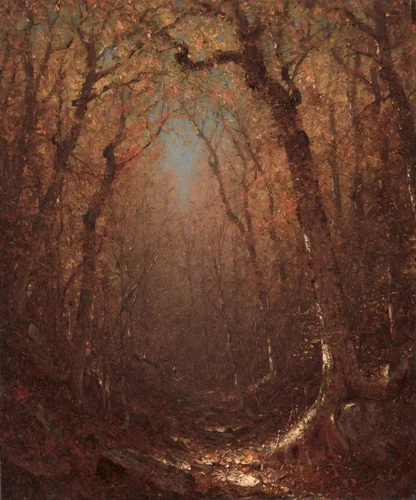
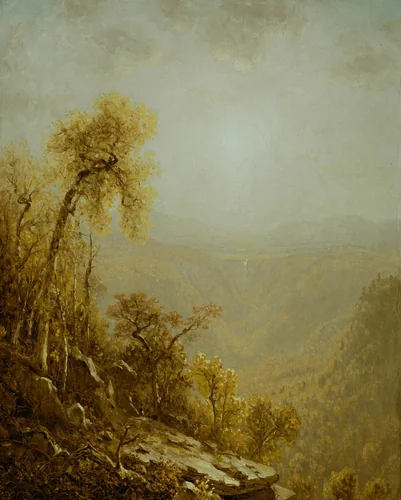
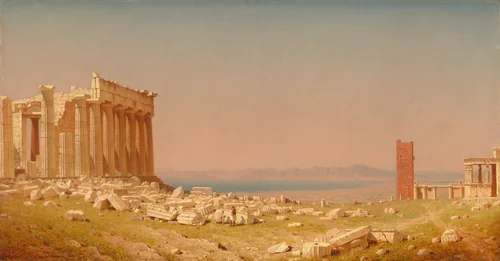
Sanford Robinson Gifford (1823-1880) holds a critical position within the history of nineteenth-century American landscape painting. Recognized as a core member of the second generation of the Hudson River School, Gifford distinguished himself not merely by depicting the American wilderness but by innovating how that wilderness was experienced on canvas. His significance is underscored by the permanent inclusion of his work in prestigious American institutions, including the National Gallery of Art, the Metropolitan Museum of Art, and the Cleveland Museum of Art.
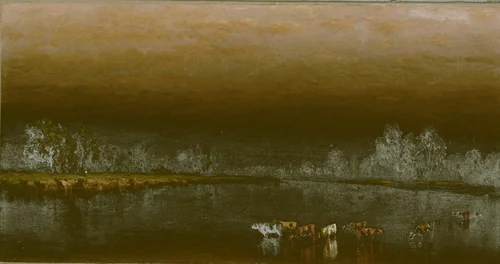
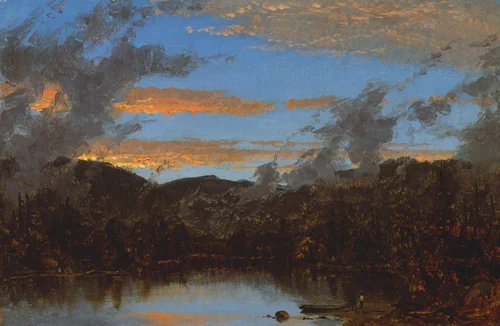
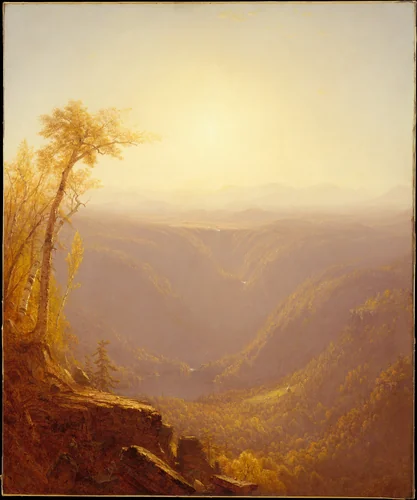
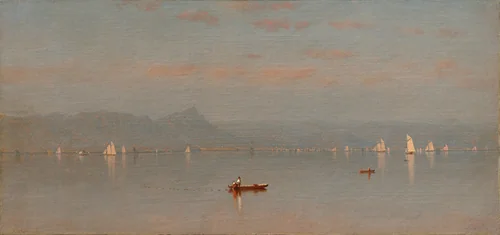
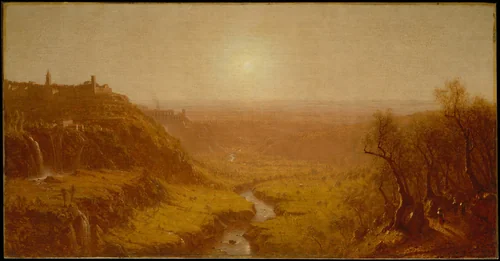
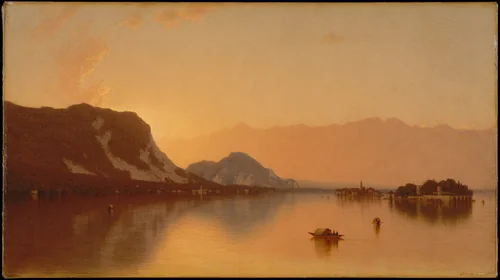
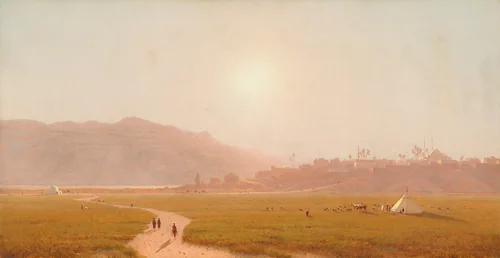
Gifford quickly became a highly regarded practitioner of Luminism, a movement characterized by its meticulously smooth finish and intense focus on the effects of light. His canvases rarely displayed dramatic meteorological events or overt emotionalism; instead, they achieved their power through subtle, expansive atmospheric rendering. He employed complex, sophisticated gradations of tone to create the illusion of vast, quiet space, allowing light itself to transcend mere illumination and become the central subject. This focus on atmospheric fidelity positioned him at the forefront of American aesthetic innovation during the mid-nineteenth century.
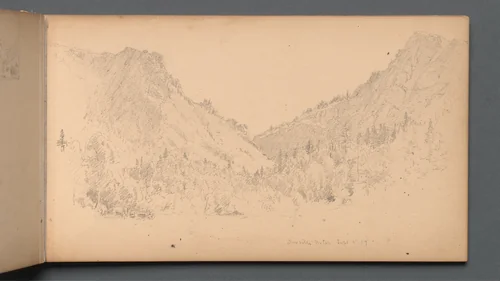
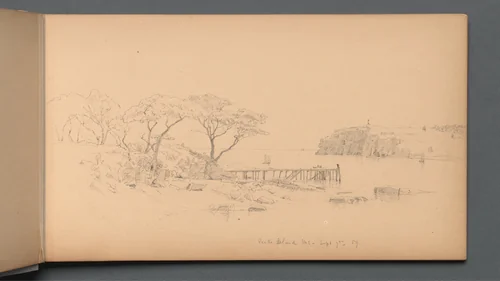
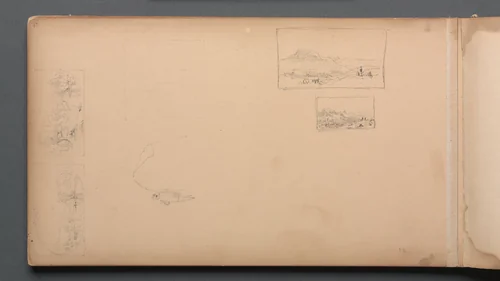
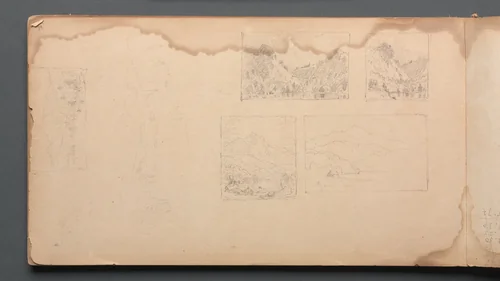
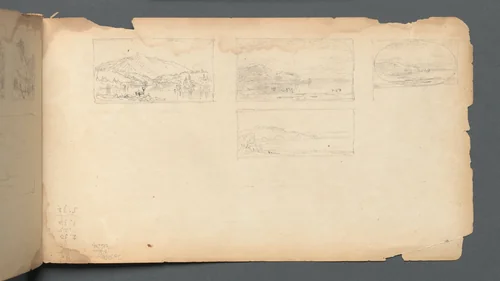
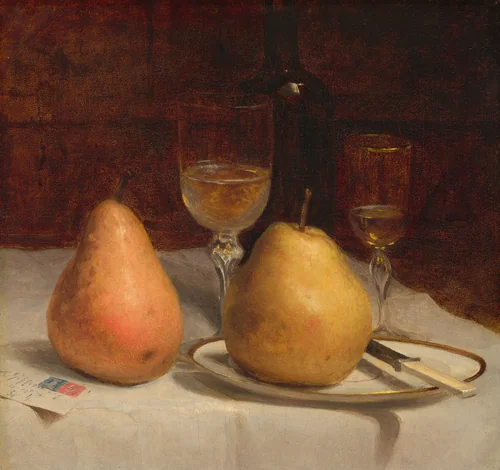
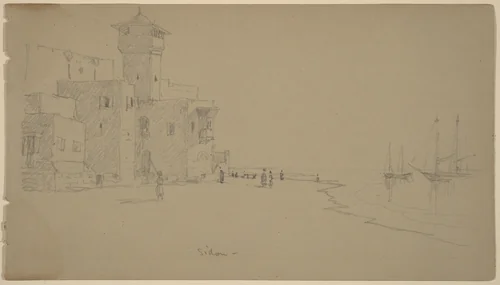
While best known for his magnificent, light-drenched landscape compositions, Gifford maintained a disciplined and prolific practice in preparatory drawings and figurative studies, evidenced by works like Studies of Men and his early Self-portrait. It is perhaps ironic that an artist whose finished Sanford Robinson Gifford paintings appear so effortless spent such great labor concealing the preparatory marks of the brush. His process-oriented approach is further demonstrated in detailed works such as Head of a Man, with Various Studies and the architectural study Castle and Figures.
Though his known period of intense creative output spans a concise era between 1845 and 1859, Gifford produced a rich and influential body of work. The enduring popularity and museum-quality craftsmanship of his pieces ensure their continued study and appreciation. Today, a substantial portion of Gifford’s documented output, including these sketches and preliminary studies, has entered the public domain. This accessibility allows researchers and enthusiasts alike to explore high-quality prints and downloadable artwork, ensuring that the ethereal brilliance of Gifford’s distinctive light remains perpetually available.