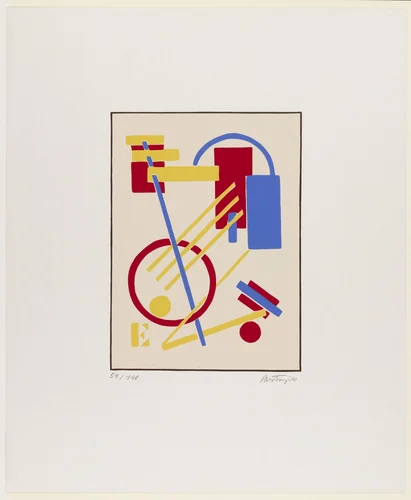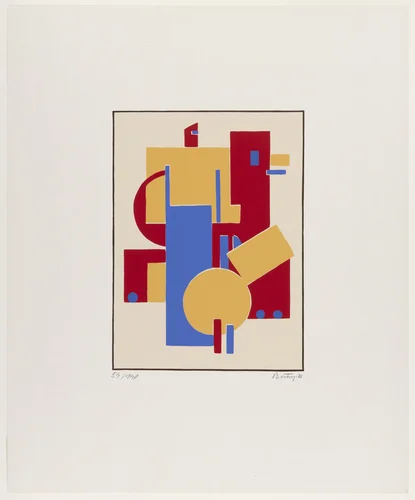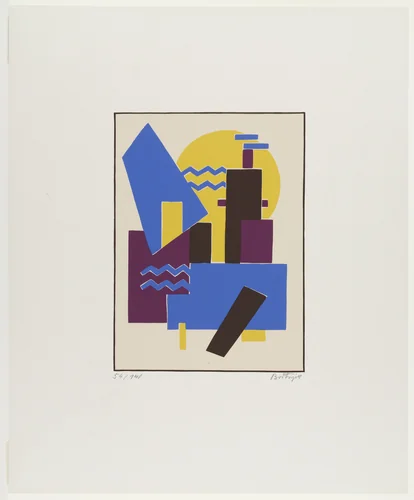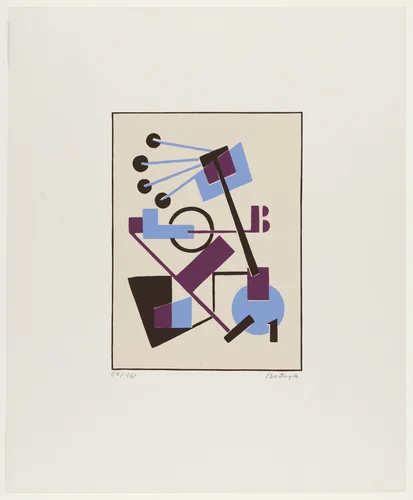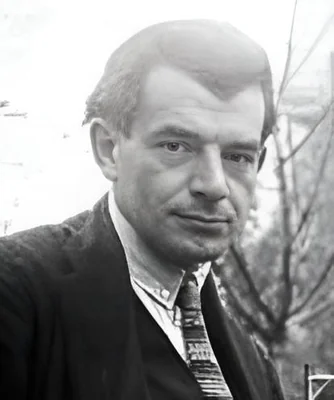
Sándor Bortnyik
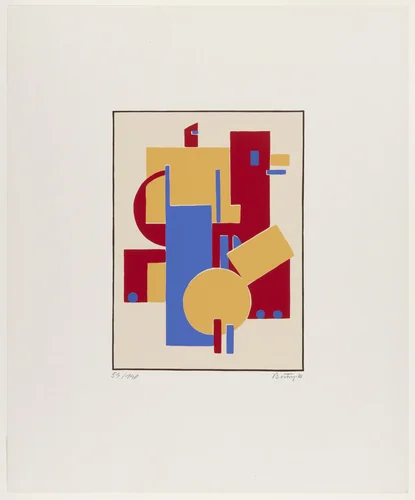
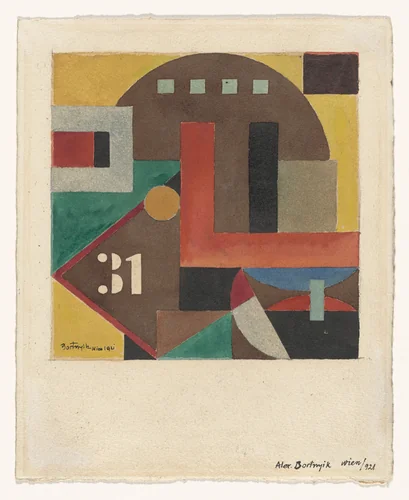
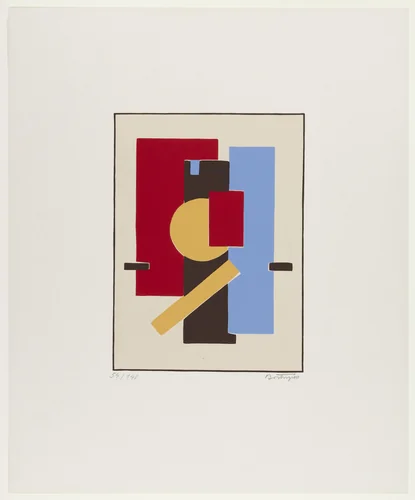
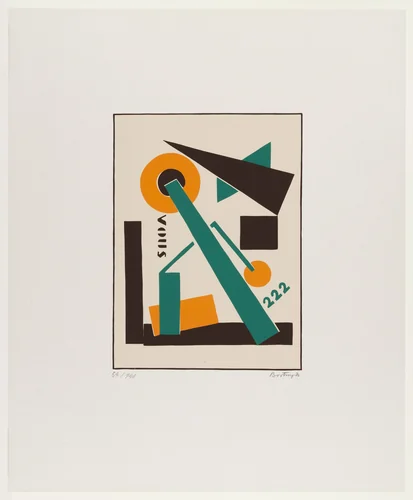
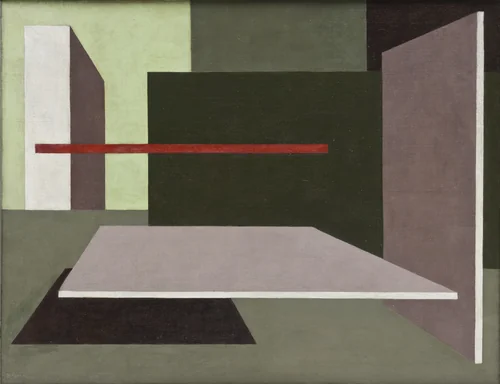
Sándor Bortnyik (1893-1976) was a key protagonist in the international avant-garde, a Hungarian painter and graphic designer whose work masterfully synthesized the dominant formal concerns of early twentieth-century modernism. His early production, concentrated largely between 1919 and 1923, marks a crucial period of transition, wherein the intellectual rigor of Central European art encountered the radical aesthetics emerging from Russia and the Netherlands. The resulting style, defined by clarity, structure, and dynamic composition, quickly established him as an authoritative voice in visual communication.
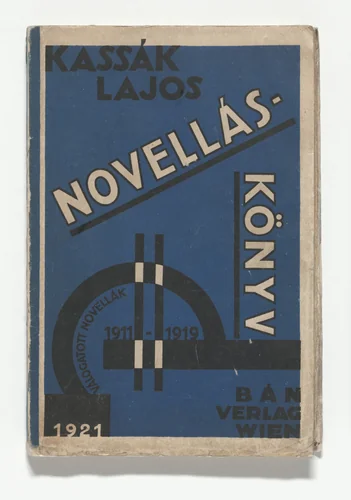
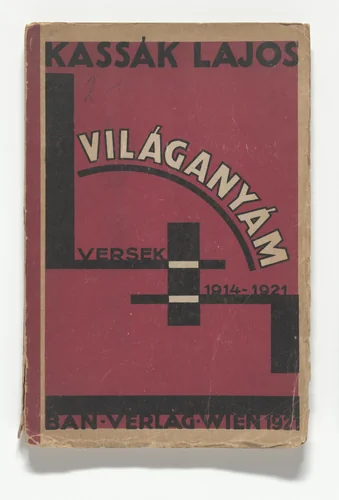
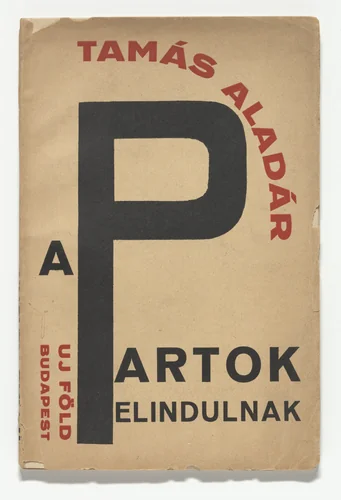
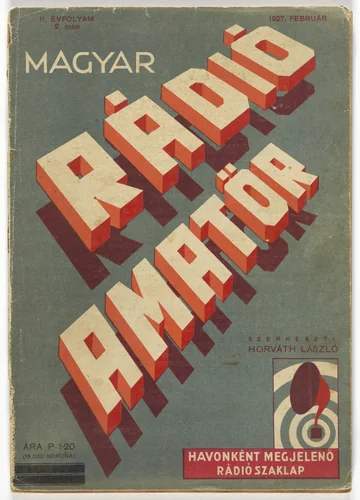
Bortnyik’s artistic journey was profoundly shaped by the rapid absorption of multiple movements. Initially influenced by the raw, emotive power of Expressionism, he systematically integrated the fractured planes of Cubism to restructure spatial relationships in his work. This blend quickly evolved, however, as Bortnyik pivoted toward the strict geometric discipline of Constructivism. He specialized in applying these fine art theories to graphic design, viewing the poster and the illustrated book not merely as commercial vehicles but as essential instruments for building a new visual reality.
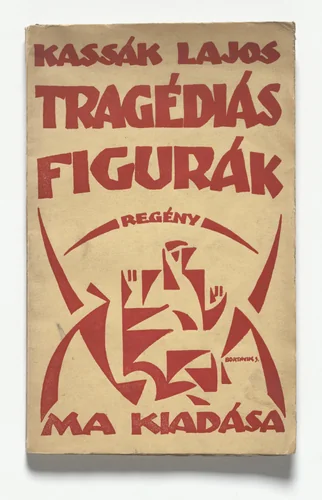
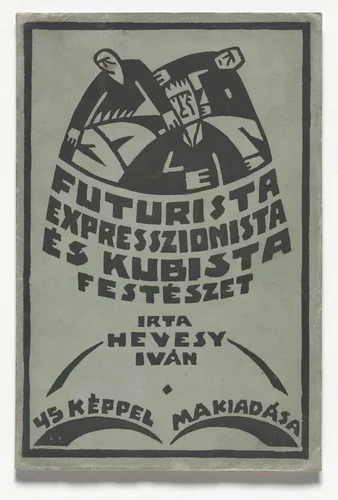
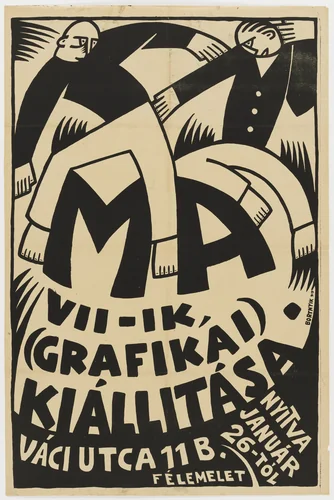
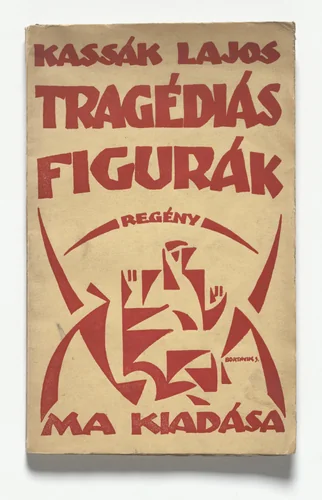
During this period, his output was defined by exceptional productivity in the graphic arts. He designed powerful visual identities for major intellectual platforms, notably the journal MA (Today), for which he produced works like the poster MA VII - IK (Grafikai) Kiállitása, a powerful example of functional abstraction. His involvement extended to book design, including the distinctive cover and illustrations for the novel Tragédiás figurák: regény (Tragic Figures: A Novel). While his theoretical writings, such as the volume Futurista expresszionista és kubista festészet, outlined complex visual philosophies, his practical work was marked by an almost uncanny ability to translate these ideas into immediately readable forms.
This synthesis of intellectual depth and design clarity ensured the lasting influence of Sándor Bortnyik prints. Today, his works are preserved in major institutions, including the Museum of Modern Art, attesting to their museum-quality significance. Many of these seminal designs have entered the public domain, allowing institutions and researchers access to high-quality prints and downloadable artwork, solidifying Bortnyik's legacy as a decisive figure in the geometry of modern design.
Source: Wikipedia · CC BY-SA 4.0