Samuel Shelley
Samuel Shelley secured his reputation during the latter half of the eighteenth century as a highly skilled English miniaturist and watercolour painter. Active across four critical decades, from approximately 1760 to 1801, Shelley specialized in compositions that blended the intimate scale of portraiture with the refined allegorical grandeur typically reserved for large format oil painting. His facility with both the delicate application of watercolour and the precise requirements of miniature work allowed him to bridge the gap between fashionable courtly likenesses and ambitious mythological or religious subjects.
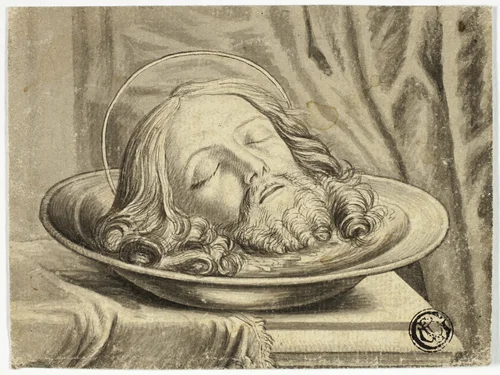
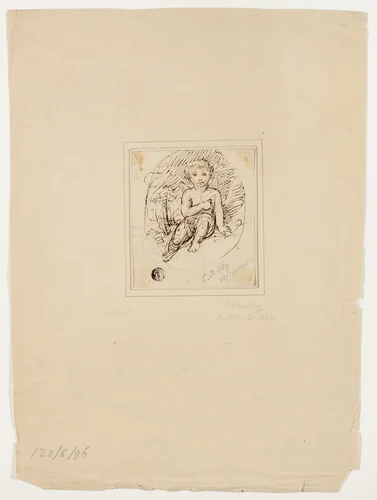
Miniature painting demanded exceptional dexterity, often requiring the artist to capture detailed likenesses and complex drapery within surfaces barely larger than the palm of a hand. Shelley excelled in this challenge, translating sweeping neoclassical and literary themes into precious, concentrated forms. While many of his contemporaries focused strictly on societal portraiture, Shelley frequently pursued narrative complexity, as seen in his drawing of John the Baptist's Head on Charger or the classical study Seated Cupid. It is perhaps the greatest irony of his career that an artist dealing in such monumental subjects was constrained to such a microscopic format. This duality provides historians with unique insights into how grand manner themes were adapted and distributed in the Georgian era.
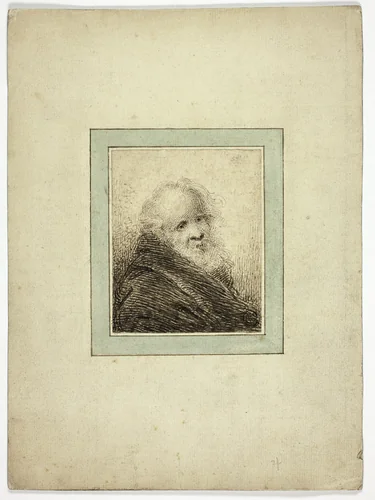
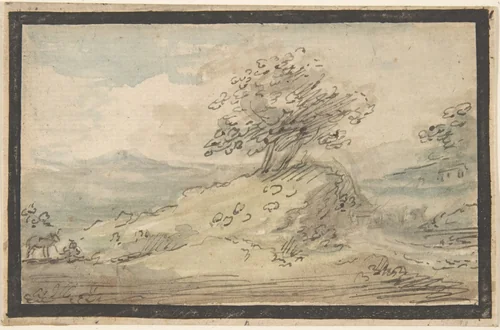
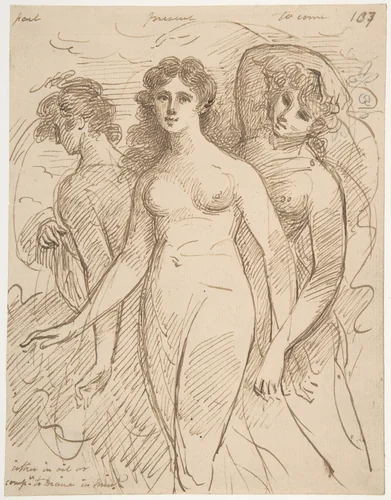
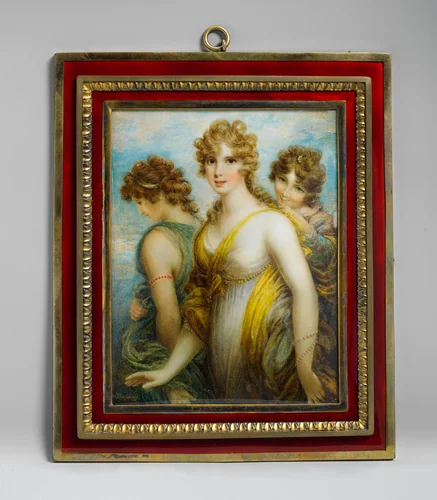
His extant corpus demonstrates a considerable thematic breadth, ranging from expressive character studies, such as the Bust of Old Man, to pure genre subjects like the Landscape. Significant holdings of Shelley's work are maintained in major North American institutions, including the Art Institute of Chicago and the Metropolitan Museum of Art. The precision and control required for their creation ensures that these are genuinely museum-quality works. Today, renewed interest in late Georgian decorative arts means that the surviving examples of Samuel Shelley paintings, particularly highly finished drawings and studies like The Hours, continue to be analyzed for their technical brilliance.
Shelley’s commitment to intricate execution firmly places him among the notable watercolour specialists of his era. As many historical images have entered the public domain, those interested can access high-quality prints and detailed analyses of his key drawings. His contribution ensures that the specialized art of the miniature remains an essential reference point for the study of late 18th-century British visual culture.
Source: Wikipedia · CC BY-SA 4.0