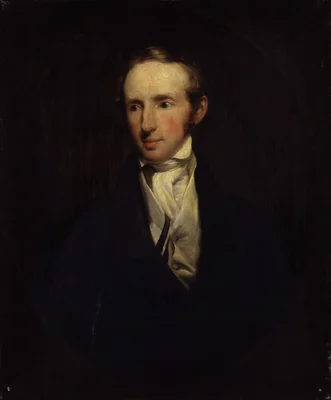
Samuel Prout
Samuel Prout (1783-1852) stands as one of the definitive British watercolorists of the early 19th century, achieving particular renown for his specialized focus on architectural painting. His exceptional skill in rendering the detailed textures and crumbling grandeur of European structures earned him significant official recognition, leading to the prestigious appointment of Painter in Water-Colours in Ordinary to King George IV in 1829, a title he subsequently retained under Queen Victoria.
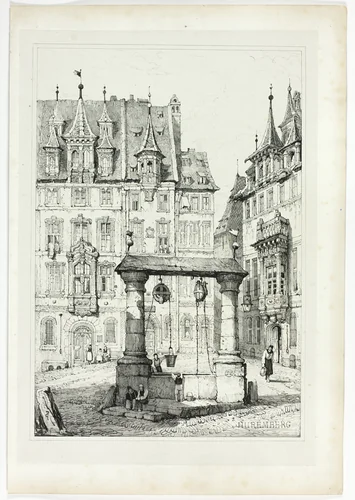
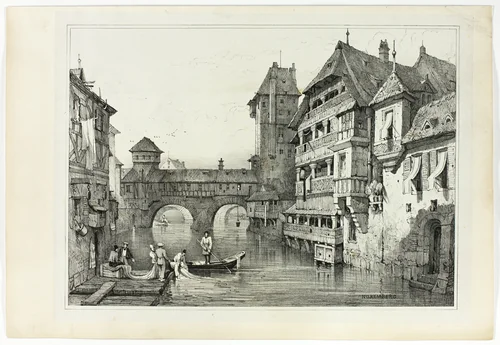
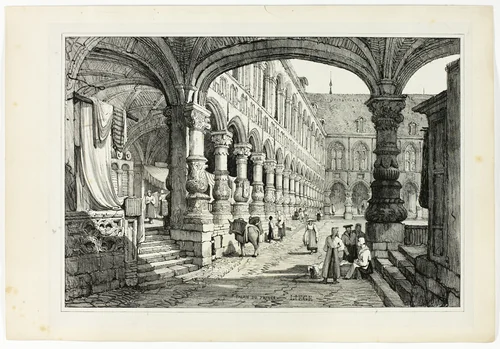
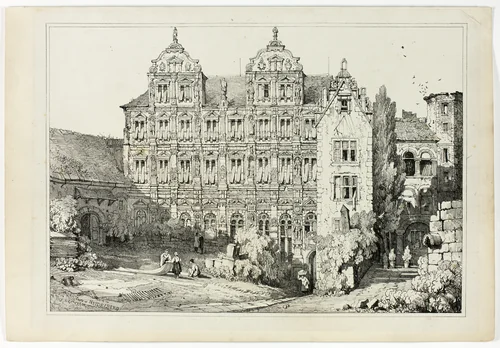
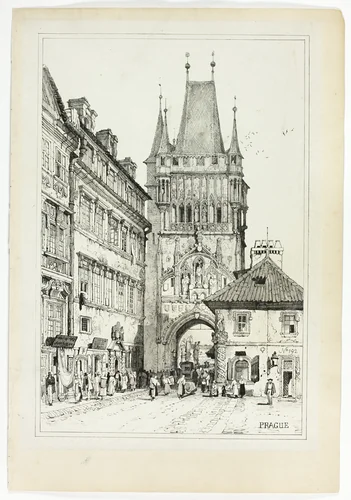
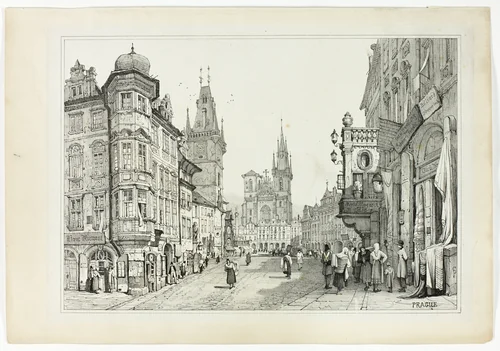
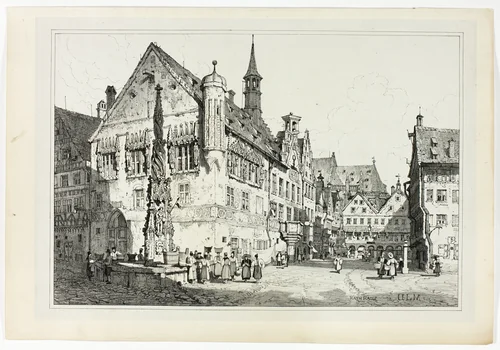
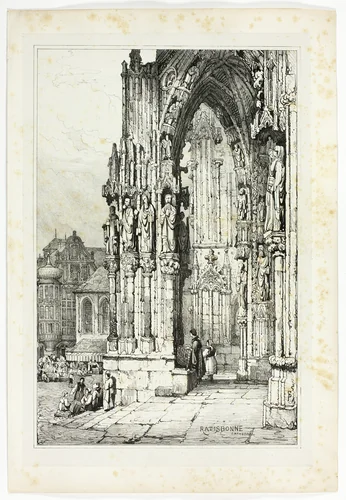
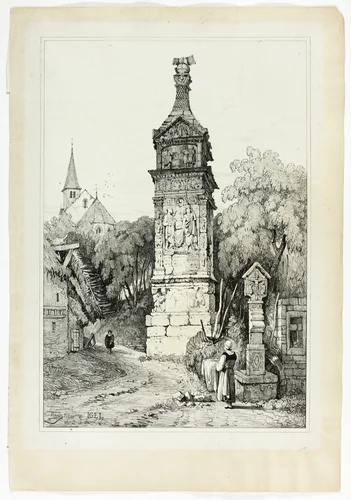
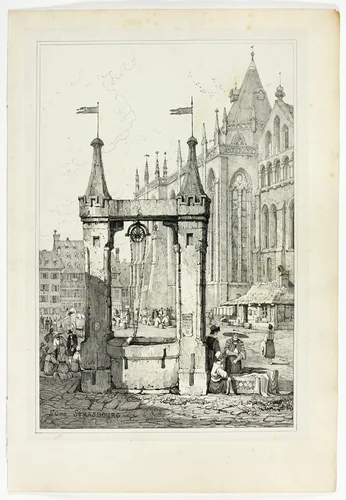
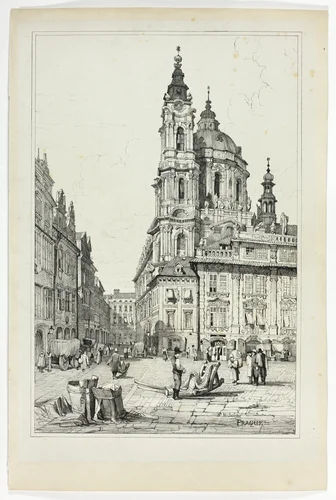
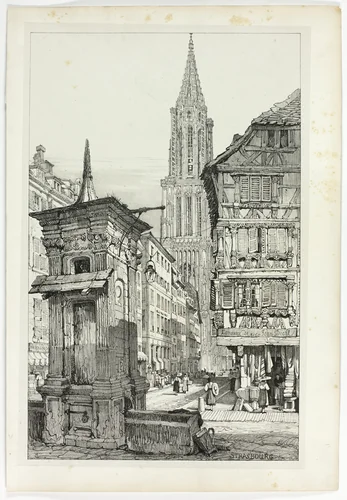
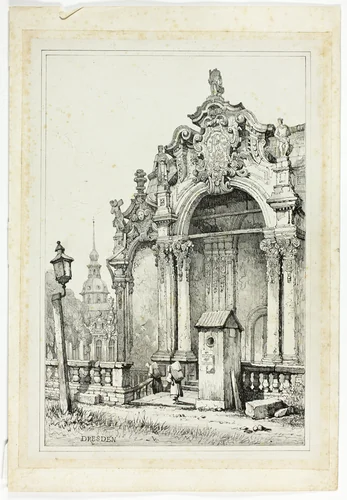
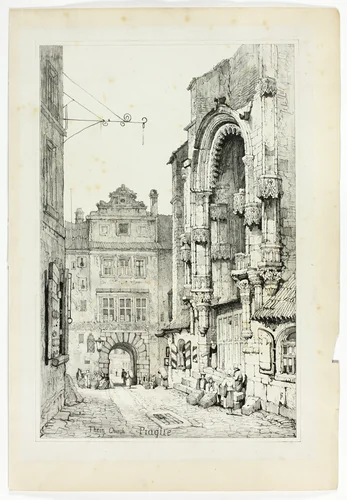
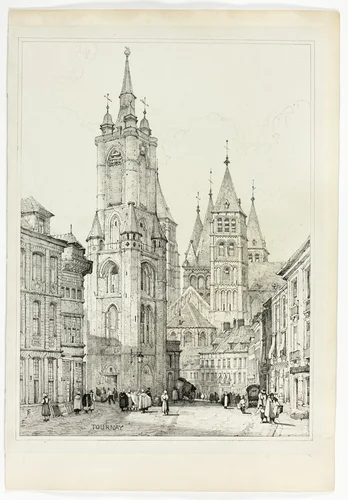
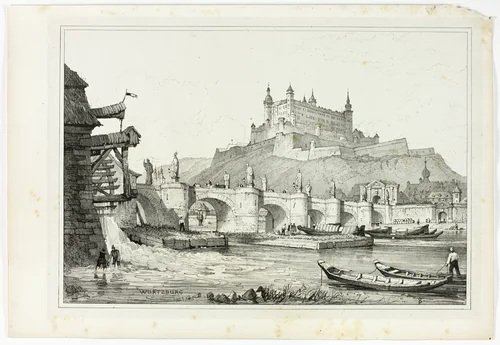
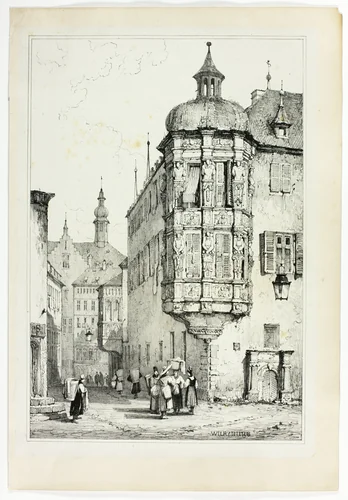
Prout’s visual language was characterized by precise draftsmanship combined with a romantic appreciation for the picturesque decay of historic sites, spanning subjects from local English ruins to the majestic Continental scenes of Bamberg or the Chateau de Martinsbourg, Mayence. His distinct handling of shadow and weathered stone established a widely emulated style. The enduring admiration Prout commanded is evidenced by his close relationship with John Ruskin, whom he taught and whose own early work strongly mirrored Prout’s technique. Ruskin famously declared in 1844, "Sometimes I tire of Turner, but never of Prout," a statement that succinctly captures Prout's appeal: a steady, dependable elegance contrasting with Turner’s revolutionary spirit. He occupied a central position within the contemporary art scene, often discussed alongside peers like Turner and Constable.
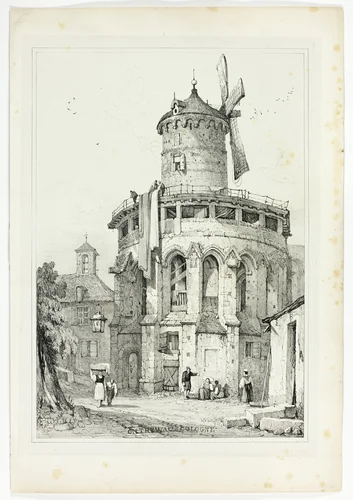
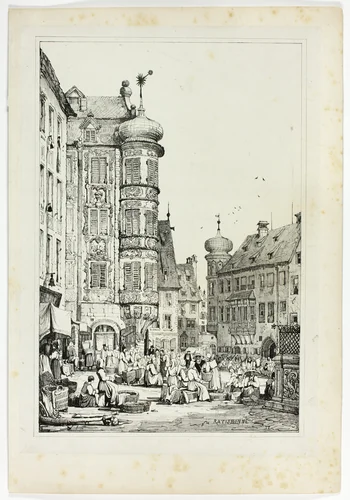
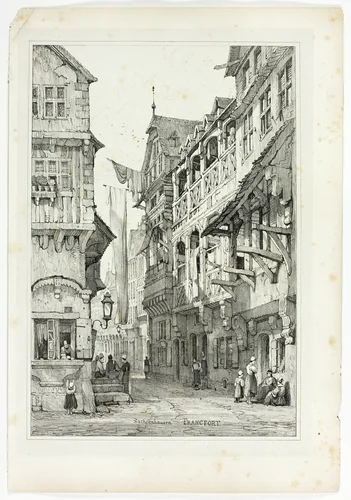
Although known primarily for drawings and high-quality prints, the relative scarcity of complete Samuel Prout paintings contributes to the value of his surviving works, which are held in major institutions like the Metropolitan Museum of Art and the Art Institute of Chicago. He excelled not just in delineating structure, but in capturing the vibrant life surrounding architecture, whether detailing an Outdoor Market or a bustling French Street Scene with a Medieval Turret. Prout also played a mentoring role in the careers of other artists, including his nephew, John Skinner Prout, confirming the strong presence of the family name in the watercolor medium across generations. Today, many fine examples of his detailed work are available within the public domain, offering downloadable artwork for study and appreciation, ensuring his distinctive architectural views remain accessible to a wide audience.
Source: Wikipedia · CC BY-SA 4.0