Samuel Freeman
Samuel Freeman (1773–1857) was an influential English engraver whose career spanned the pivotal decades of the late Georgian and early Victorian eras. Operating primarily out of London, Freeman’s output was focused entirely on biographical portraiture, a crucial medium for disseminating the likenesses of prominent historical, political, and ecclesiastical figures across the burgeoning print market. He specialized in stipple and line engraving, techniques that demanded a meticulous level of precision and technical control to translate the subtleties of oil paint into reproducible black-and-white images.
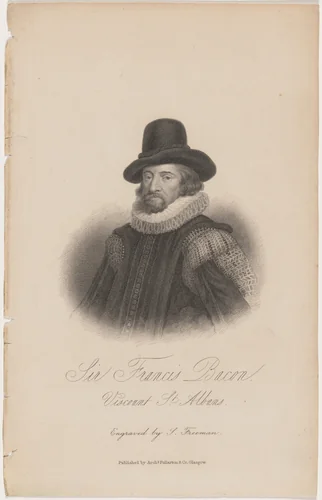
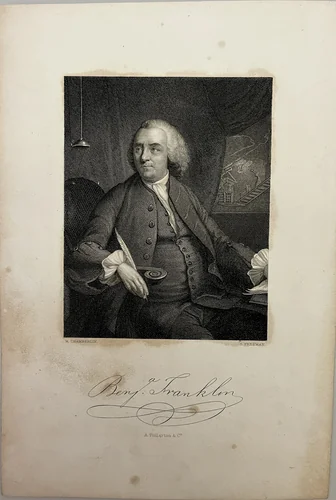
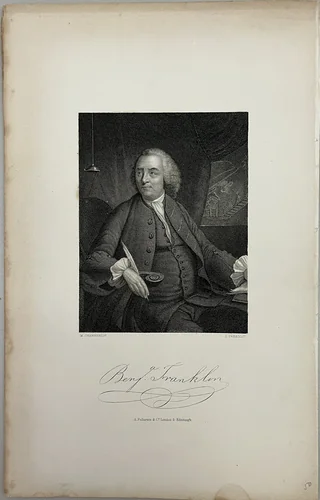
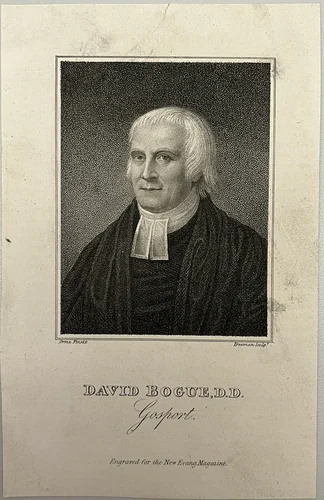
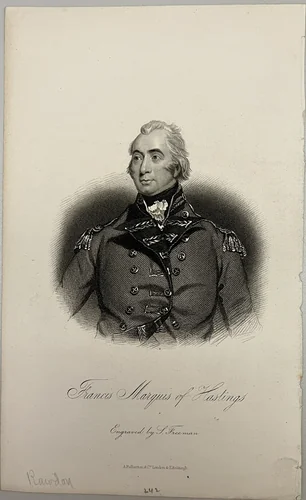
Active from approximately 1793 until the 1830s, Freeman became known as a reliable interpreter of existing masterworks. His engravings did more than merely copy; they served as the definitive visual representations for an increasingly literate public demanding access to the images of major cultural personalities. His portfolio includes celebrated renderings of the American statesman Benjamin Franklin and the philosopher Sir Francis Bacon, cementing his role in documenting key figures of the Enlightenment and the British intellectual tradition. Other notable subjects include the respected Scottish theologian David Bogue, D.D., and the military leader Francis Marquis of Hastings.
Freeman’s technical prowess is evident in his handling of texture and tonal contrast, allowing for rich detail in the sitters’ period dress and expressions of state seriousness. These works, often published for subscription sets or biographical anthologies, were essential components of historical record and public iconography.
The enduring significance of Freeman’s contribution is underscored by his inclusion in major institutional holdings today. Works by the artist are preserved in leading collections, including the Art Institute of Chicago and the National Gallery of Art, where they are studied as exemplars of nineteenth-century reproductive printmaking. It is worth noting that Freeman was exceptionally prolific in creating portraits of the Marquis of Hastings, suggesting either a dedicated patronage or a deep personal interest in the military administrator’s evolving career. Because his art was designed for reproduction and distribution, much of Samuel Freeman’s output is readily accessible today; his works frequently enter the public domain, providing a wealth of high-quality prints for scholars and collectors worldwide. This accessibility ensures that Freeman remains an authoritative, though often unsung, figure in the history of visual culture.