Samuel Fineman
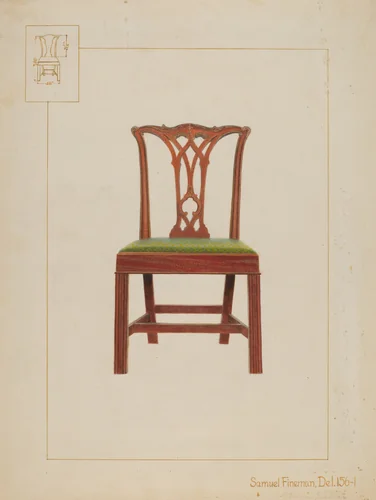
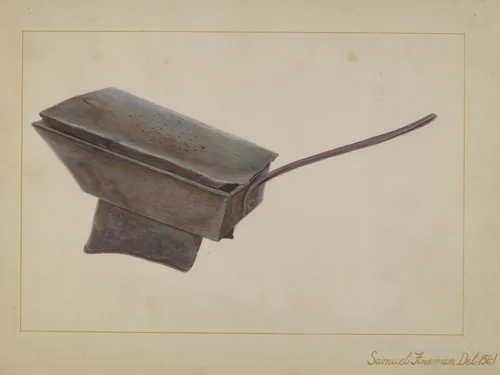
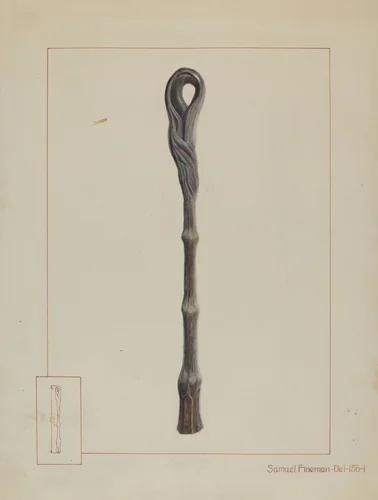
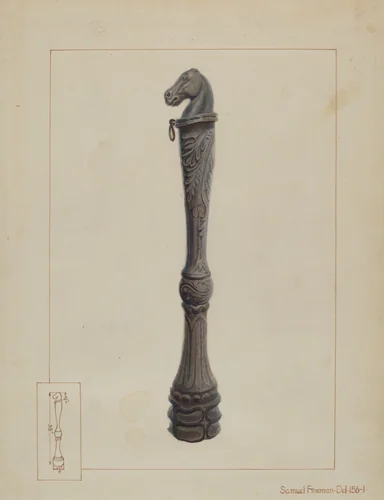
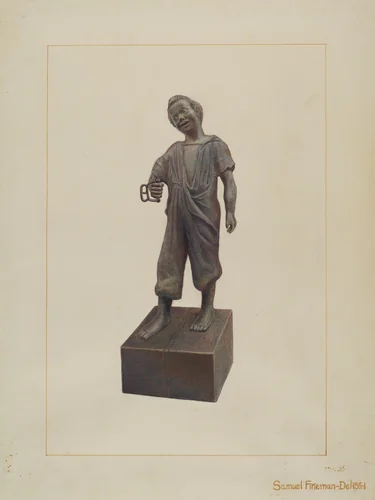
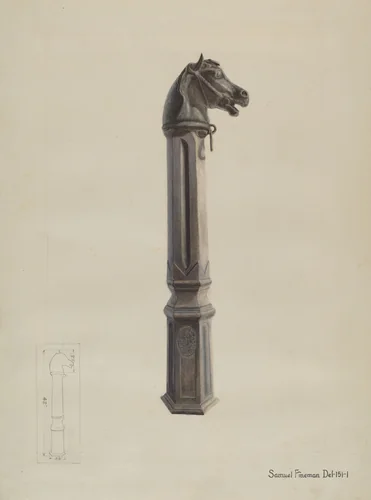
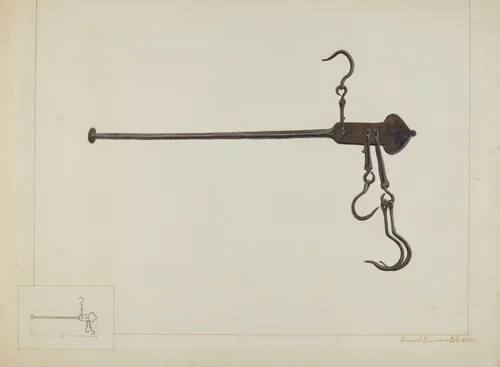
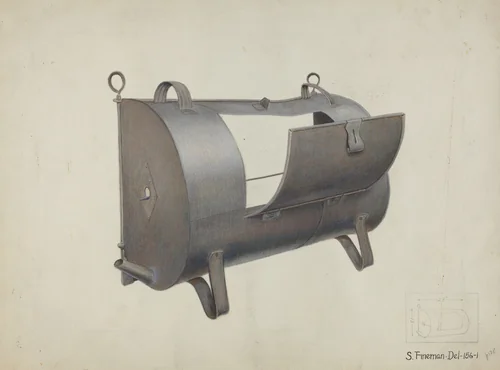
Samuel Fineman was active documenting American material culture during the mid-1930s. His known professional output spanned the years 1935 through 1937 and is definitively linked to the Index of American Design, a major federal arts initiative established during the Depression era. This ambitious project systematically employed artists and illustrators to create a comprehensive pictorial survey of historical American artifacts and folk art.
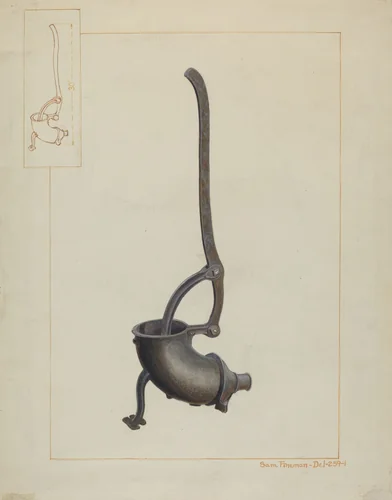
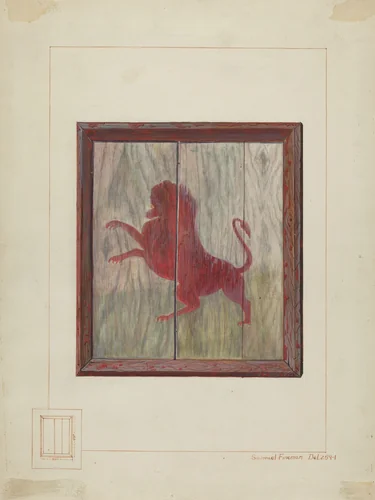
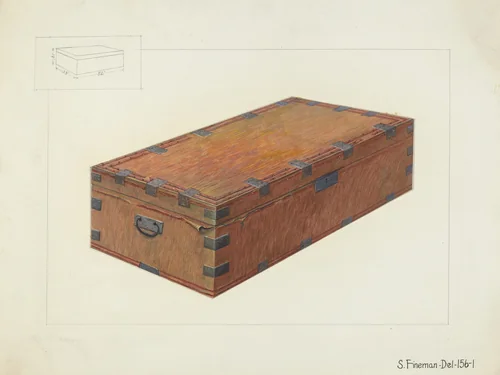
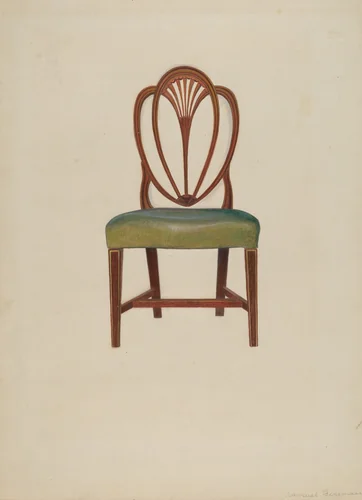
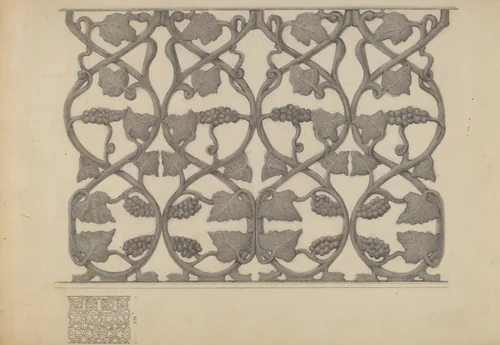
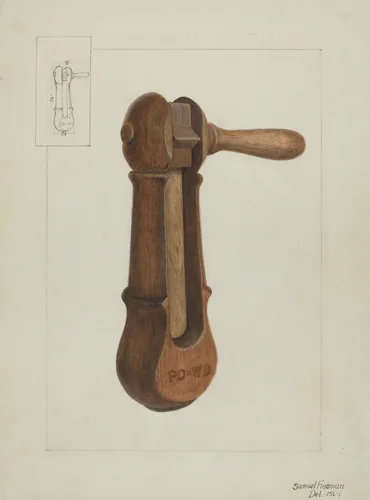
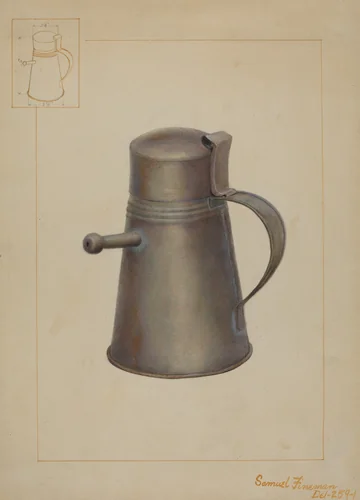
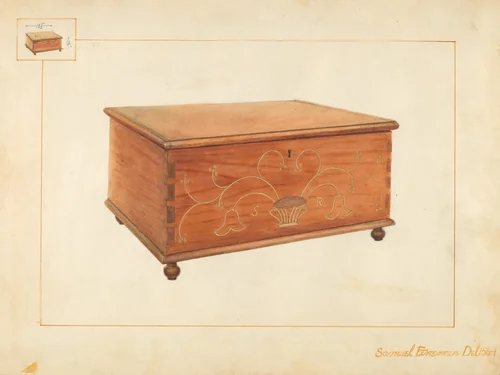
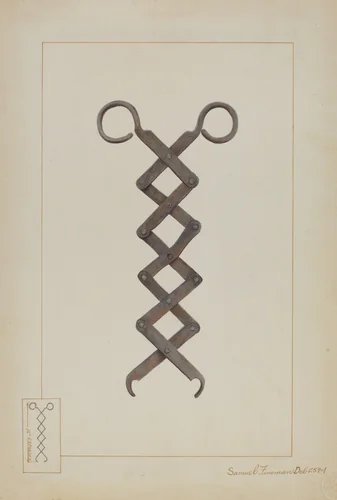
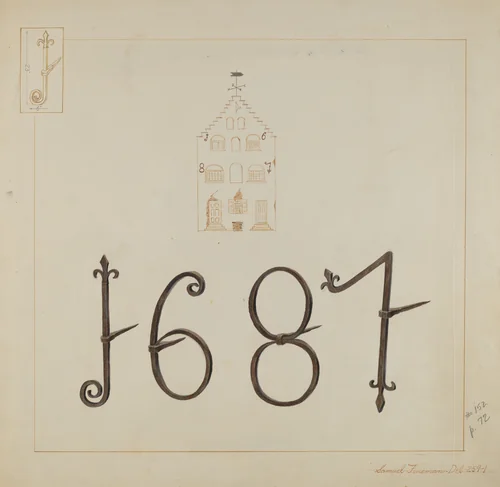
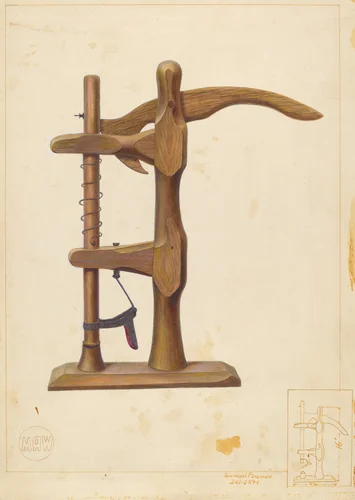
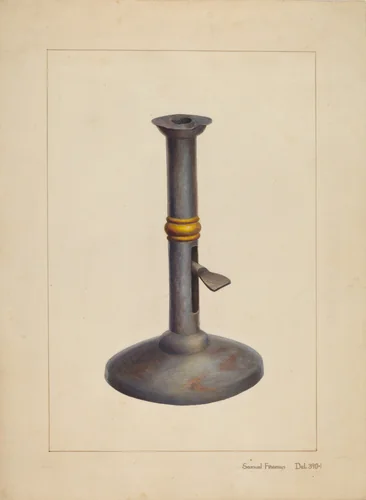
Fineman’s contributions to the Index focused on highly detailed, precise renderings of functional objects and architectural details. Fifteen works attributed to the artist are documented in major institutional collections, showcasing a careful, documentary style intended to preserve the visual record of American craftsmanship. Specific known works include studies of artifacts such as Sausage Stuffer, Tavern Sign, Chest, and architectural documentation like Iron Railing and Hepplewhite Chair.
The primary repository for the artist’s output is the National Gallery of Art. Due to the nature of their creation under a government-sponsored program, many of Samuel Fineman prints are recognized as being in the public domain. The detail captured in these studies ensures their continued relevance, providing valuable source material for researchers seeking high-quality prints of historical American design.