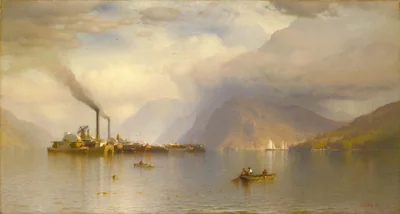
Samuel Colman
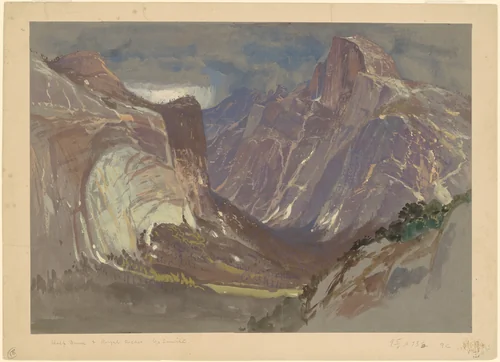
Samuel Colman (1832-1878) was a multifaceted American practitioner recognized for his significant contributions across painting, decorative arts, and literature during the mid-nineteenth century. While he maintained active parallel careers as an interior designer and prolific writer, Colman is most enduringly remembered for his evocative landscape Samuel Colman paintings, particularly those capturing the scenic majesty of the Hudson River Valley. His artistic output situates him firmly within the American Romantic tradition, though his interests extended far beyond purely national concerns.
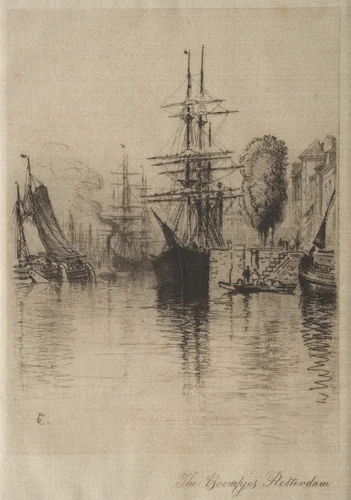
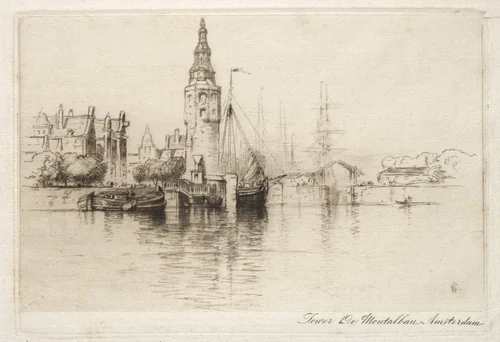
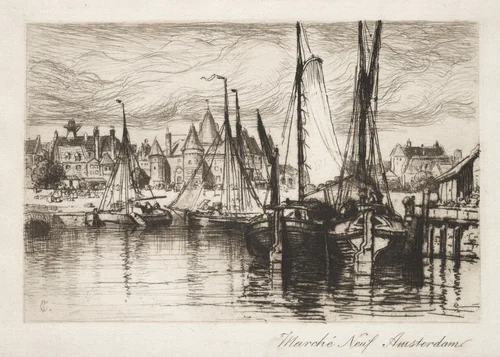
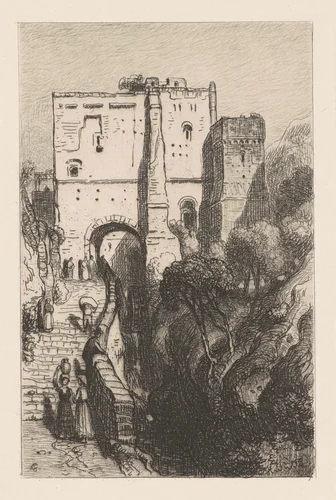
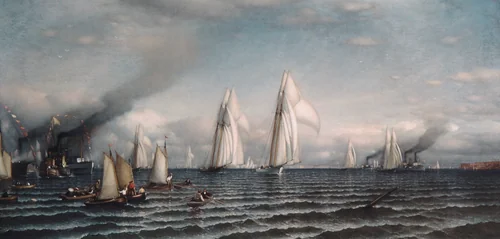
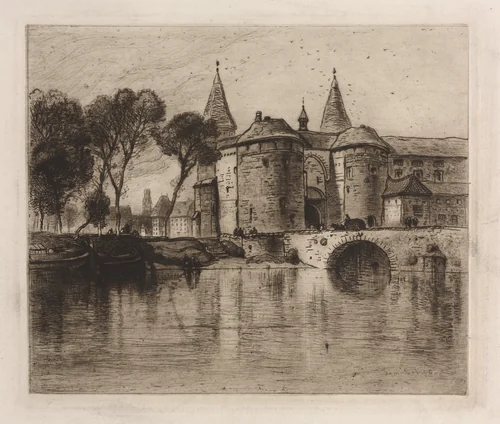
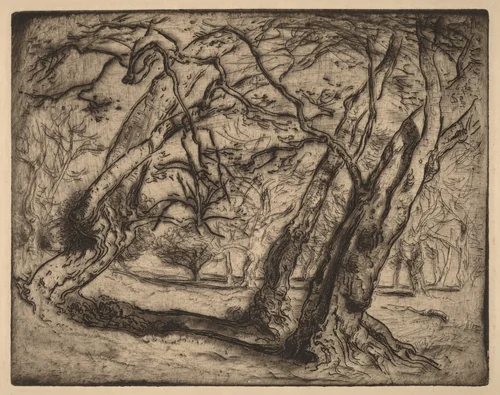
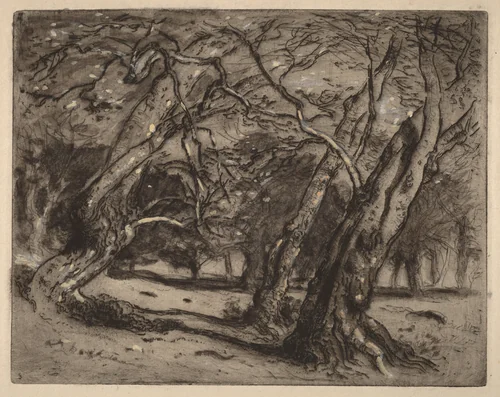
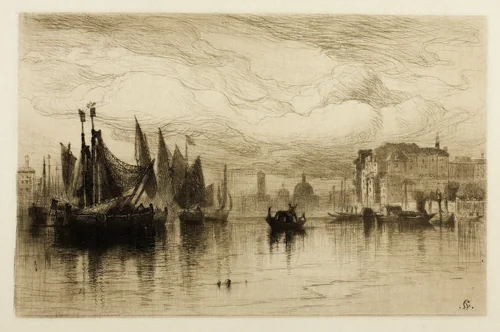
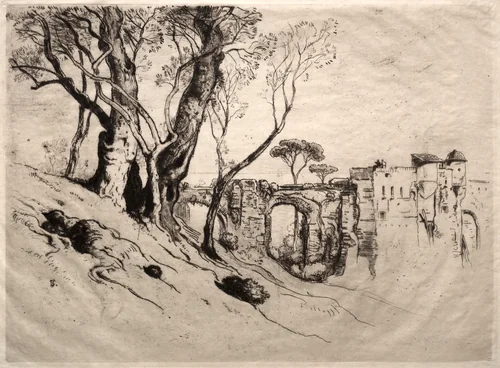
Colman’s artistic training prepared him for a remarkably diverse oeuvre spanning oil painting, watercolors, and a substantial body of drawings and prints. These graphic works often reflected the picturesque European travel popularized in his era. His exceptional skill in rendering dramatic light and complex architectural settings is evident in subjects ranging from the detailed harbor scene The Boompjes, Rotterdam to the commanding structure depicted in Montalbaans Tower, Province of North Holland, Netherlands. This versatility meant Colman was equally comfortable interpreting intimate local American scenery and documenting grand international vistas.
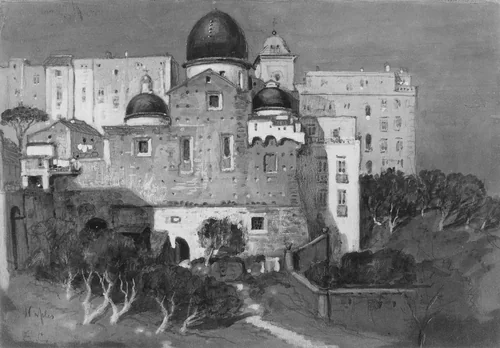
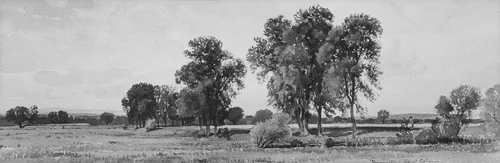
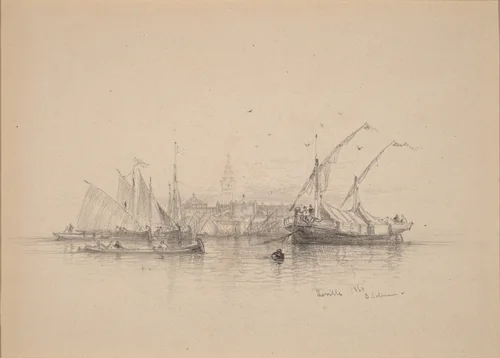
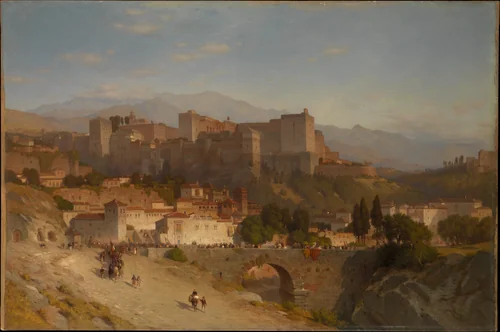
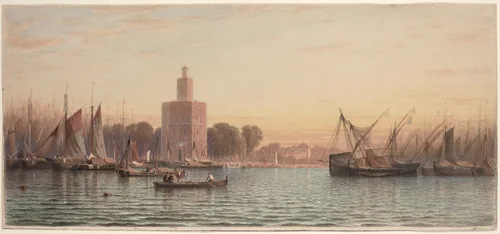
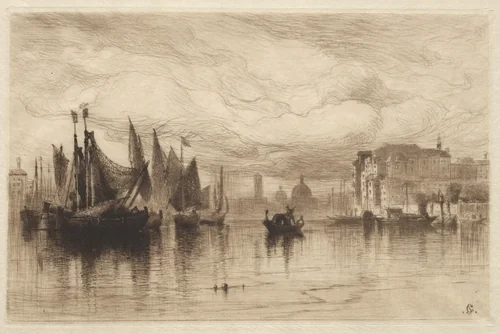
He possessed a genuine aptitude for capturing distinct regional character, moving easily from the atmospheric light of the Mediterranean, seen in pieces like Naples and Seville, to the familiar rustic charm of New England settlements such as Farmington. His ability to balance the rigorous demands of painting and interior decoration during a period of rapid industrial expansion is notable. This dedication to both the aesthetic interior and the exterior landscape offers a fascinating glimpse into the expanding professional options available to the 19th-century American artist.
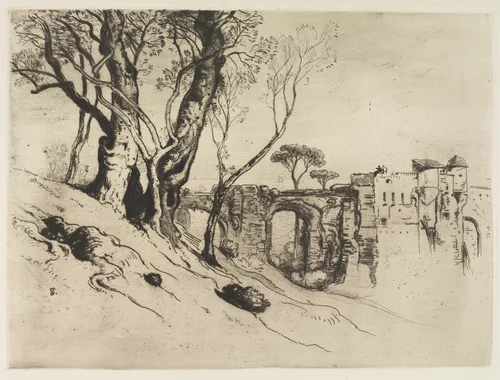
Colman’s enduring legacy is secured through major institutional acquisitions. Important holdings of his work, including Samuel Colman prints and preparatory drawings, reside in the permanent collections of the Metropolitan Museum of Art, the National Gallery of Art, and the Cleveland Museum of Art. The precision and detail inherent in his original etchings and lithographs mean that many museum-quality works are now widely studied. Due to their age and historical importance, a significant portion of his graphic output resides in the public domain, making high-quality prints and downloadable artwork accessible for both scholarly research and public enjoyment worldwide.
Source: Wikipedia · CC BY-SA 4.0