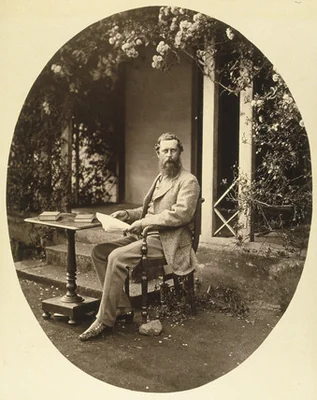
Samuel Bourne
Samuel Bourne is recognized as one of the most important landscape and architectural photographers documenting the Indian subcontinent in the mid-nineteenth century. His prolific period, spanning seven years from 1863 to 1870, established the defining visual record for the British Raj and provided Western audiences with an unprecedented glimpse into the dramatic scenery and cultural diversity of the region.
Upon arriving in India, Bourne wasted little time establishing his practice. In 1863, he formed the influential photographic agency Bourne & Shepherd with Charles Shepherd. Initiated in Shimla, the partnership rapidly expanded, later moving to the vital commercial center of Kolkata (Calcutta). This firm was instrumental in creating and disseminating museum-quality photographic views across the globe, appealing both to private collectors and imperial institutions seeking visual evidence of colonial expansion and geographical exploration.
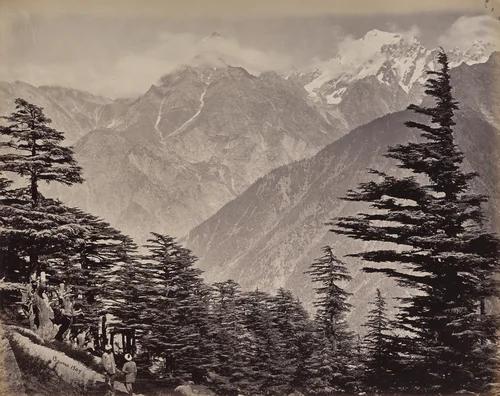
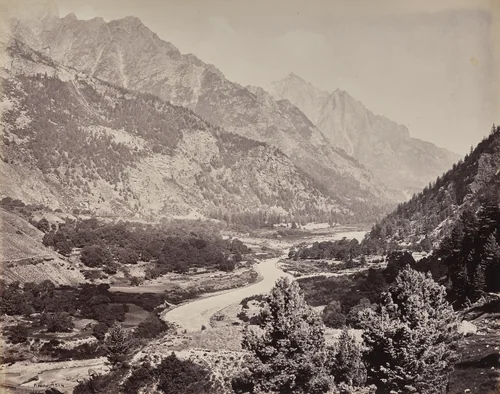
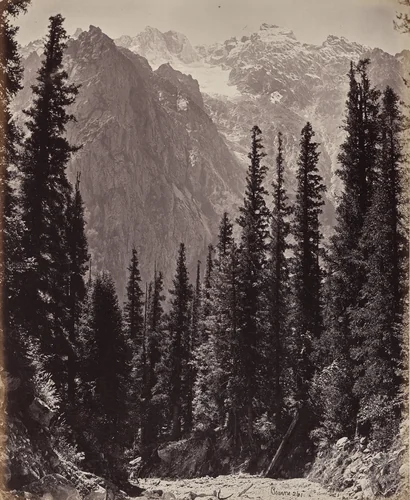
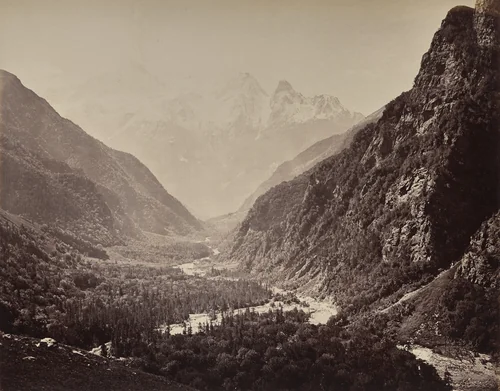
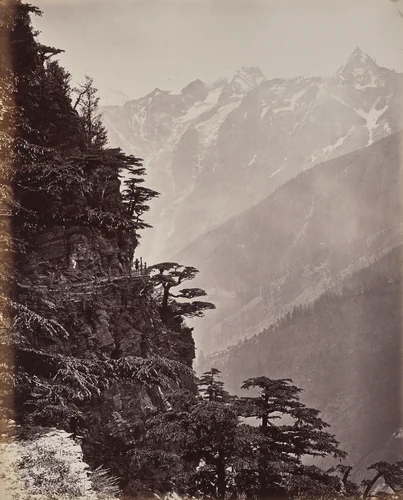
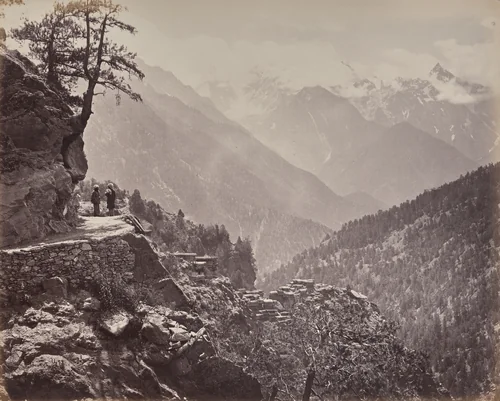
Bourne’s work is characterized by dramatic scale and technical mastery, particularly given the logistical demands of his subject matter. He undertook multiple arduous expeditions into the Himalayas, carrying cumbersome cameras, chemicals, and glass plates necessary for the demanding wet-plate collodion process. Capturing views such as The Manirung Pass required precise control over exposure and development in extreme altitude, testament to his dedication to photographic innovation.
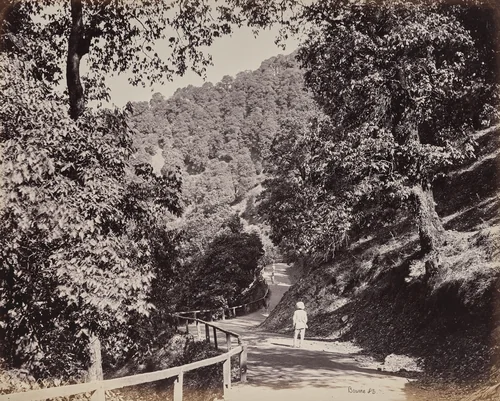
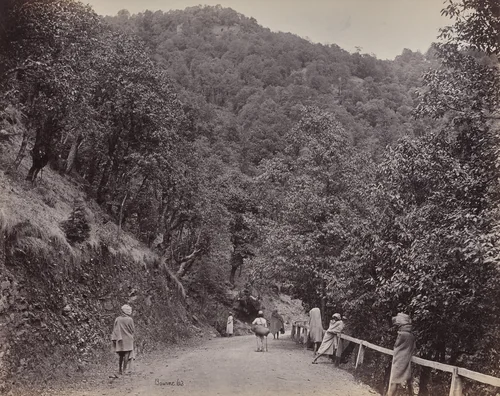
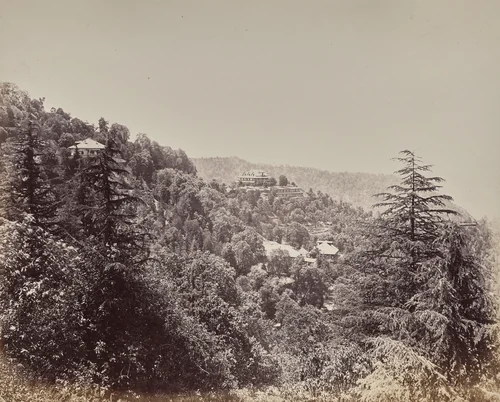
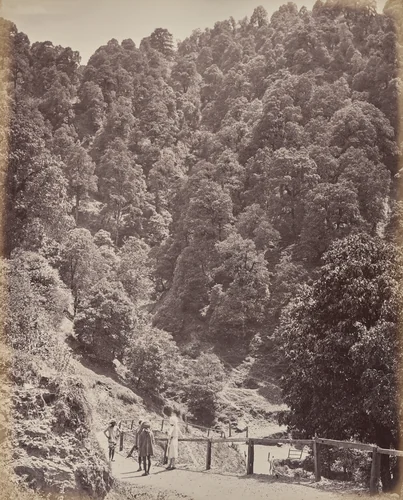
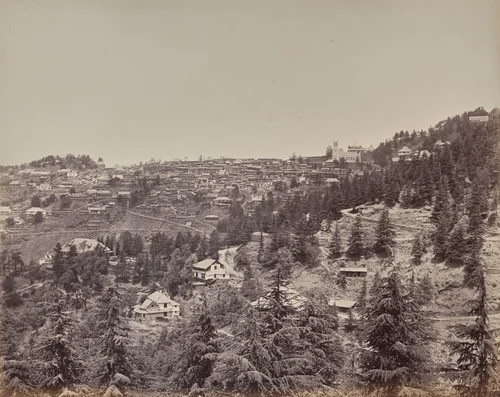
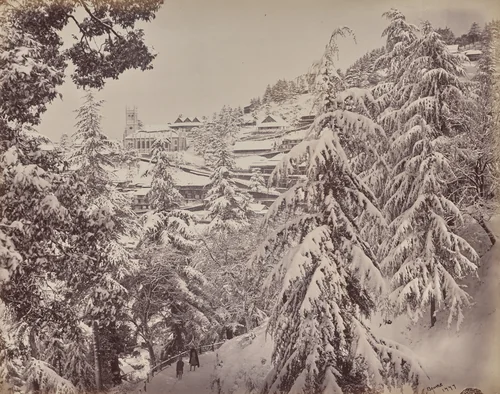
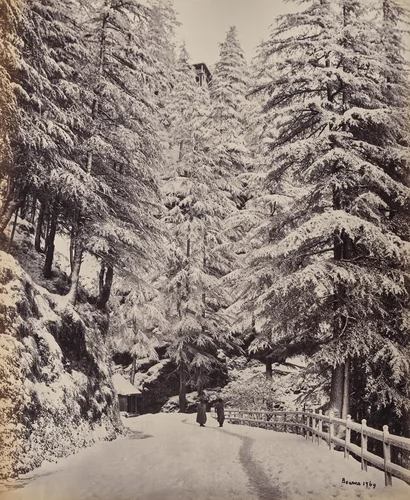
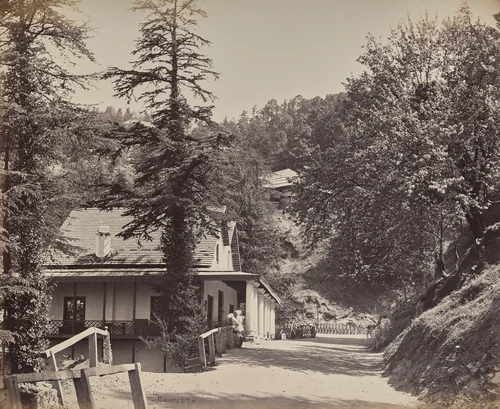
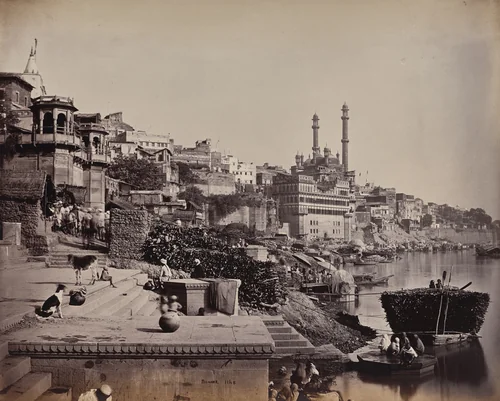
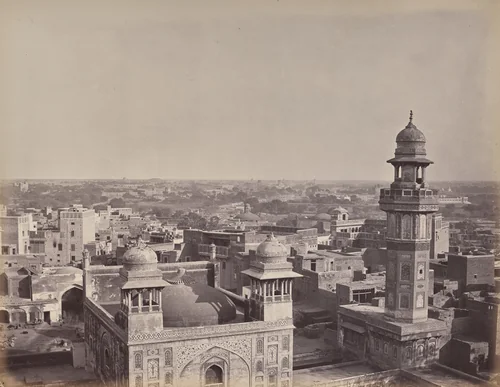
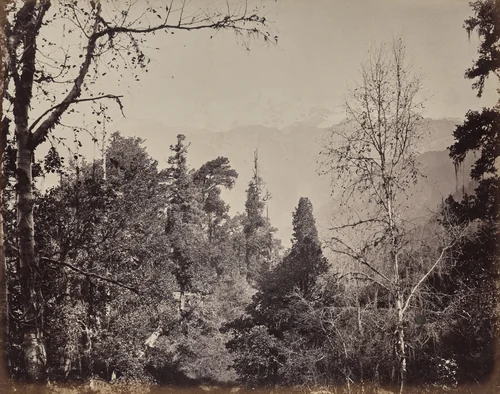
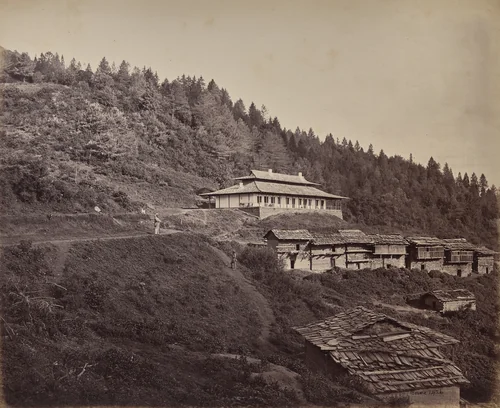
While often celebrated for his sweeping geographical vistas like Darjeeling, India and views of Shimla, Bourne also produced striking architectural and ethnographic studies. The sensitive portrait Lepcha Woman (number 1908) exemplifies his capacity to focus the lens on individual human subjects amid the larger landscape. Images such as Shimla and the Taj Mahal further highlight his ability to frame both the intimate setting and monumental structures of the subcontinent.
The historical impact of the agency Bourne founded is singular. The success of Bourne & Shepherd ensured its operation for over a century and a half, functioning continuously until 2016, a remarkable legacy for a firm founded on nineteenth-century technology. Today, the enduring quality of these negatives ensures that Samuel Bourne prints are widely available as high-quality prints reflecting the global interest in his pivotal documentation. As many of his original works now transition into the public domain, his contribution to the early history of photography remains foundational, with his original prints housed in collections including the Metropolitan Museum of Art and the Art Institute of Chicago.
Source: Wikipedia · CC BY-SA 4.0